Email marketing ideas to increase revenue for e-commerce businesses

Email remains one of the most dependable revenue channels for e-commerce brands when it is used with structure and intent. This article breaks down practical email marketing ideas that help online businesses increase sales, encourage repeat purchases, and build lasting customer relationships. You’ll learn how automation, segmentation, and thoughtful campaign planning work together to turn email into a consistent driver of growth, along with key best practices, measurement tips, and common mistakes to avoid.

Effective email marketing ideas to boost e-commerce sales
E-commerce growth rarely comes from a single interaction; it’s consistent, well-timed communication that keeps your brand relevant after the first visit. Email plays a central role in that process by giving businesses a direct way to speak to customers who have already shown interest in their products or services.
When email campaigns and flows are shaped around real customer behavior, they become a reliable source of revenue (rather than a background channel). From welcoming new subscribers to encouraging repeat purchases, email supports every stage of the e-commerce journey. At Growth Gurus, we provide email marketing services that help brands create meaningful touchpoints that feel personal, timely, and valuable while driving measurable business growth.
Why email marketing plays a key role in e-commerce
E-commerce shoppers expect relevant, timely communication. Email allows brands to meet those expectations without relying on paid media alone.
Email works well for e-commerce because it:
- Reaches customers directly without algorithm changes
- Supports personalisation at scale
- Drives repeat purchases and retention
- Complements SMS and paid channel e-commerce marketing services
Unlike social platforms, email gives brands control over their audience and targeting. This makes email marketing for e-commerce business growth a long-term asset, not a short-term tactic.
Advantages of running email marketing campaigns for e-commerce brands
When executed properly, email campaigns contribute to revenue in several ways.
Key benefits include:
- Higher conversion rates than most digital channels
- Increased average order value through targeted offers
- Stronger customer loyalty through ongoing communication
- Reduced reliance on costly paid advertising
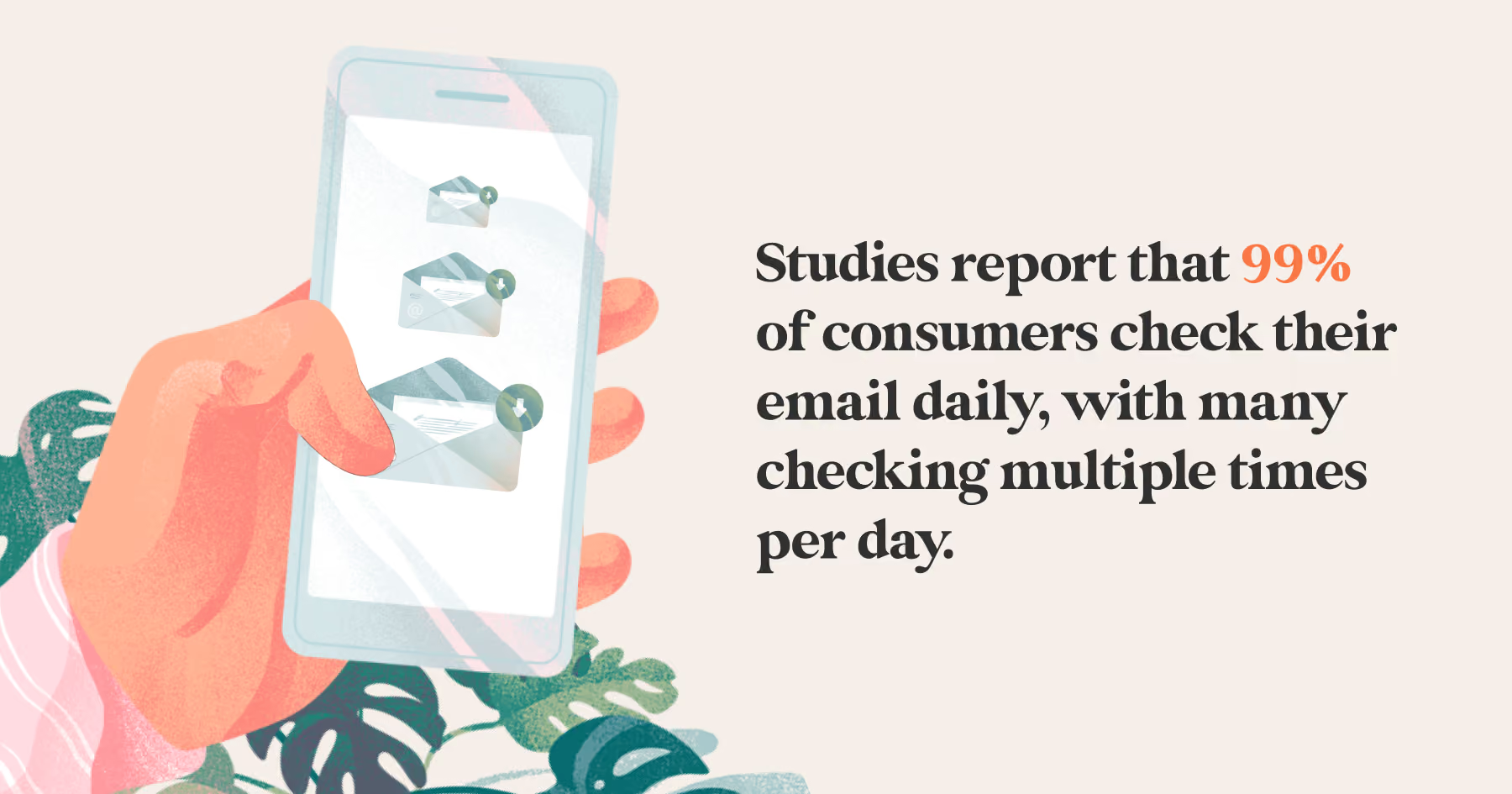
Studies report that 99% of consumers check their email daily, with many checking multiple times per day. That frequency gives e-commerce brands repeated opportunities to stay visible and relevant.
Essential types of e-commerce emails worth sending
Revenue growth depends on sending the right emails at the right time.
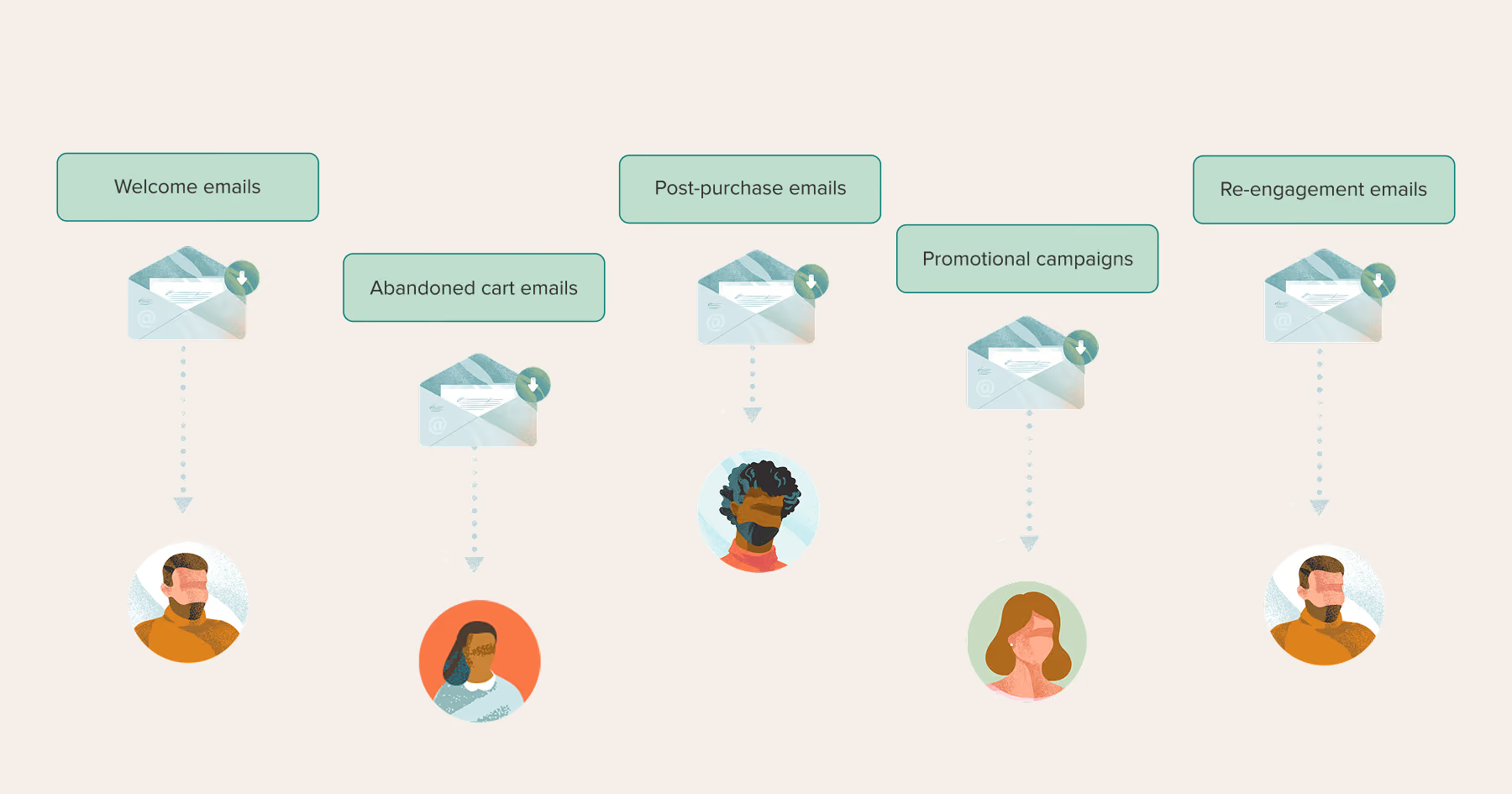
Every e-commerce brand should have these core emails in place:
Welcome emails
First impressions matter. Welcome emails introduce your brand, set expectations, and often generate the highest open rates.
Abandoned cart emails
Abandoned cart emails recover lost revenue by reminding shoppers to complete purchases that they already intended to make.
Post-purchase emails
Post-purchase emails provide order confirmations, product care tips, and follow-ups that build trust while opening the door for repeat sales.
Promotional campaigns
Promotional campaigns can be used for sales announcements, product launches, and limited-time offers to drive urgency.
Re-engagement emails
Re-engagement emails help brands reconnect with inactive subscribers and bring them back into the buying cycle.
Effective e-commerce email marketing ideas that drive revenue
Rather than sending frequent promotional emails, high-performing e-commerce brands focus on the campaign and flow types that consistently influence buying behavior.
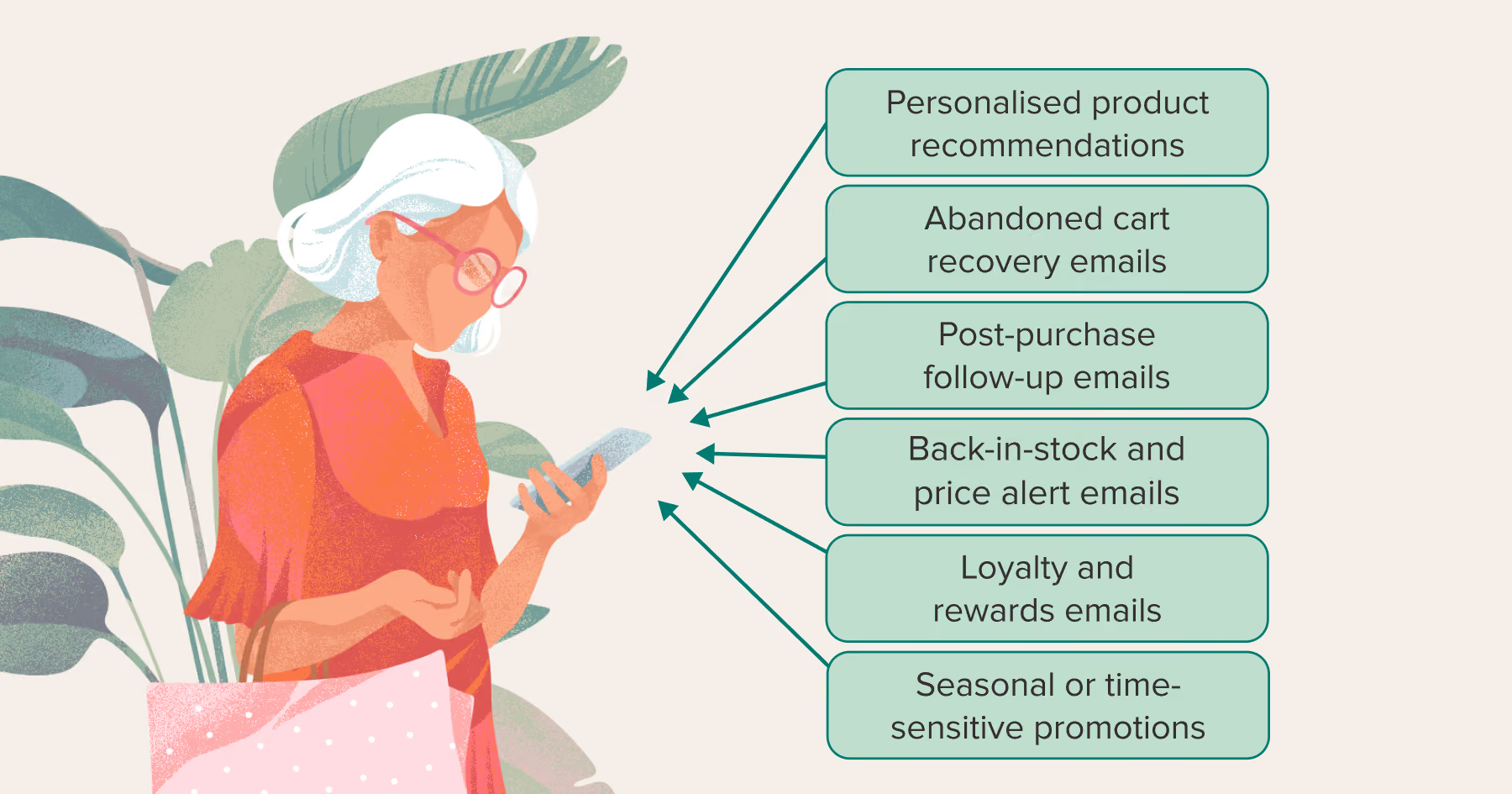
These are some of the top email marketing strategies for e-commerce businesses that consistently drive results when executed well:
Personalised product recommendations
Use browsing behavior, purchase history, and past engagement to suggest products customers are genuinely interested in. These emails feel helpful (rather than sales-driven) and often lead to higher click-through rates and larger basket sizes.
Abandoned cart recovery emails
Cart abandonment is common, but it doesn’t have to mean lost revenue. Well-timed reminders with clear product visuals and simple calls to action encourage customers to complete the purchases they were previously considering.
Post-purchase follow-up emails
After a customer receives an order, follow-up emails help to reinforce trust and open the door for repeat purchases. This can include product care tips, complementary product suggestions, or a gentle request for a review.
Back-in-stock and price alert emails
Back-in-stock and price alert flows target shoppers who have already shown intent to purchase a product. Letting customers know when a popular item is available again, or when a price drops, creates urgency and drives fast conversions.
Loyalty and rewards emails
Rewarding repeat customers keeps them engaged with your brand and encourages long-term retention. Emails that highlight points, balances, exclusive perks, or VIP access help strengthen your customer relationships while increasing their lifetime value.
Seasonal or time-sensitive promotions
Seasonal campaigns work best when they feel relevant and timely. Tailoring offers around holidays, weather changes, or shopping trends keeps messaging fresh and encourages customers to act while interest is high.
Using automation to scale revenue without losing relevance
Automation allows e-commerce brands to deliver timely messages while maintaining consistency, reducing manual effort and improving the customer experience.
Common automated flows to implement into your email marketing strategy include:
- Welcome series
- Abandoned cart
- Browse abandonment
- Post-purchase
- Win-back
Selecting the best email marketing tool for an e-commerce business lets brands send messages triggered by real-time customer behavior, past purchases, and engagement patterns. Many growing ecommerce brands use advanced email marketing tools like Klaviyo to integrate email with SMS and on-site experiences, creating a coordinated strategy that delivers real results.
Best practices to improve e-commerce email marketing results
Strong performance comes from discipline and testing, not volume.
Focus on these best practices to improve your e-commerce email marketing results:
- Organize your subscribers based on how they interact with your emails
- Keep subject lines clear and honest
- Design emails to be mobile compatible
- Use one primary call to action per email
- Test and refine send times, layouts, and messaging regularly
Consistency builds trust, and brands that send emails with purpose see stronger engagement and higher lifetime value.
How to track and evaluate e-commerce email marketing performance
Measuring success keeps your email marketing strategy aligned with revenue goals.
Key metrics to monitor include:
- Open rates
- Click-through rates
- Conversion rates
- Revenue per recipient
- Unsubscribe and spam complaint rates
Email performance should be reviewed alongside broader business metrics. Attribution models can help identify how email supports conversions across channels.
Common e-commerce email marketing mistakes to avoid
Even well-established brands can stumble when it comes to email marketing, slowing growth and reducing engagement.
Watch out for these frequent email marketing missteps:
- Overloading subscribers with generic promotions
- Neglecting list cleaning and management
- Sending emails that are not mobile-friendly
- Relying on outdated or irrelevant customer data
- Skipping regular testing and performance analysis
Partnering with experienced specialists like Growth Gurus can help e-commerce brands sidestep these issues and optimize their campaigns and flows for better results.
Driving higher engagement and sales through expert support
As e-commerce competition increases, many brands choose to work with an email marketing agency as they bring experience, advanced tools, and strategic insight that internal teams may lack.
A dedicated Klaviyo email marketing agency understands how to build sophisticated flows, segment audiences, and optimize messaging for revenue. With Klaviyo email marketing, brands gain access to powerful automation and deep customer insights that can support long-term growth when implemented correctly.
Growth Gurus specialises in helping ecommerce brands turn email and SMS into predictable revenue channels through smart automation and thoughtful strategy.
Frequently asked questions
What are some creative email marketing ideas for e-commerce businesses?

Creative ideas include interactive quizzes, personalised product guides, user-generated content highlights, loyalty milestone emails, and behind-the-scenes brand stories. Creativity works best when timed effectively and informed by customer data.
How often should e-commerce brands send marketing emails?
Most ecommerce brands perform well with one to three campaigns per week, supported by automated flows. Frequency should be adjusted based on engagement levels and customer preferences.
How long does it take to see revenue from email marketing?
Results often appear within the first few weeks after foundational flows are implemented. Long-term revenue growth builds over time through optimization and list growth.
Should e-commerce brands use both email and SMS marketing?
Email and SMS work well together; email supports storytelling and education, while SMS drives urgency and quick actions. When combined, they create a balanced communication strategy.
Is Klaviyo suitable for small e-commerce businesses?
Klaviyo scales well for both small and growing brands because its strength lies in behavioral targeting, automation, and integration with e-commerce platforms.
Recent Blog Post



Ready to grow your business?
If you want your business to experience more sales and faster growth, all you need to do is book a meeting with us today.