Using Customer Data to Personalize SMS Campaigns

Customer data can help e-commerce brands make SMS communication more relevant, timely, and useful. Instead of sending the same promotion to every subscriber, brands can use purchase history and lifecycle data to tailor messages to individual customer needs. This guide explains which data points are most useful, how to create meaningful SMS segments, and how personalization can support engagement, conversions, and long-term customer relationships.
Personalizing SMS campaigns with customer data
SMS gives brands a direct way to communicate with customers, so relevance matters. A message that reflects what someone has purchased, browsed, or shown interest in is more useful than a promotion that arrives with no clear connection to their experience.
Customer data gives brands the context they need to make those decisions. In this guide, you’ll learn how customer data can shape SMS campaigns, which information is worth collecting, how to create useful audience segments, and how Growth Gurus approaches personalization as part of a wider retention strategy.
Why customer data matters for SMS campaigns
Customers have different interests, purchasing habits, budgets, and reasons for engaging with a brand, so treating everyone in the database the same can make campaigns feel repetitive or irrelevant.
Customer data helps brands understand those differences. You can identify who has purchased recently, who hasn’t ordered for several months, who regularly buys a particular product, or who has shown interest in a category without making a purchase. These insights can then guide the message, offer, timing, and target segment.
This approach also creates a stronger connection between SMS and the wider customer experience. Rather than treating SMS as an isolated promotional channel, brands can use it alongside email, website activity, loyalty programs, and automated flows to create a more personalized customer journey.
What customer data can you use to personalize SMS?
The most useful data helps you understand what a customer may need or is likely to respond to. For e-commerce brands, several categories can provide valuable signals.
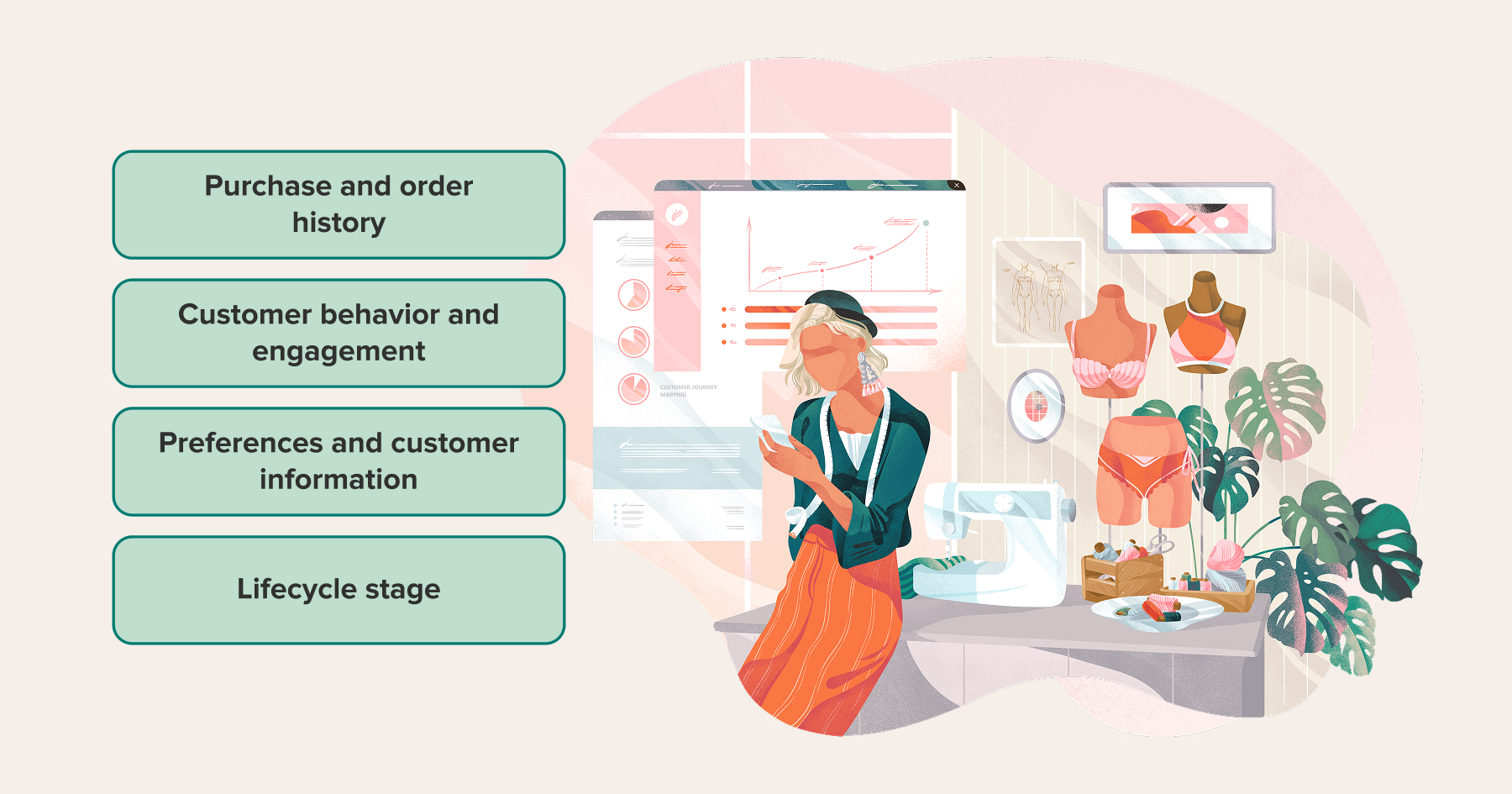
- Purchase and order history: Previous orders can reveal product preferences, purchase frequency, average order value, and potential replenishment dates, providing brands with a practical basis for recommendations and follow-up messages.
- Customer behavior and engagement: Website visits, product views, abandoned carts, clicks, and previous campaign interactions can indicate current interest and help brands respond while that interest is still relevant.
- Preferences and customer information: Voluntarily provided preferences, product interests, location, and other profile details can help tailor content and offers without relying solely on purchase history.
- Lifecycle stage: A new subscriber, first-time buyer, repeat customer, and long-term loyal customer each have different expectations, making lifecycle data useful for deciding which type of SMS to send.
The quality of the data matters as much as the quantity. Brands should focus on collecting data that can lead to a meaningful marketing action.
How to segment customers for more relevant SMS
Build segments around customer intent
Customer intent can change quickly. Someone browsing a product category may be researching, while someone who has added a product to their cart has demonstrated a stronger buying signal. Recognizing these differences allows brands to create messages that match where the customer is in the decision-making process.
An effective SMS marketing strategy should consider what customers are doing now, alongside what they have done previously.
Use purchase behavior to shape messaging
Purchase-based segmentation can help brands identify groups according to purchase frequency, product category, or spending behavior. For example, repeat buyers of a particular product could receive a replenishment reminder, while customers who have purchased complementary items could receive relevant product recommendations.
This makes targeted SMS marketing feel more natural, because the message connects to an existing customer relationship, rather than feeling like a random promotion.
Combine different data points
A single data point can be useful, but combining several signals can create a much clearer picture. A customer who recently purchased running shoes, regularly browses fitness products, and has engaged with previous promotions may be a strong candidate for a campaign featuring relevant accessories.
The goal is to identify the customer signals that genuinely change the message, offer, or timing.
Personalization strategies that work for e-commerce SMS marketing
Recommend products based on previous purchases
Previous purchases can provide a useful starting point for recommendations. A customer who purchased a coffee machine might be interested in compatible accessories, while someone who bought a particular skincare product may appreciate a recommendation from the same range.
The recommendation should have a logical connection to the original purchase. Relevance makes the message feel helpful, not promotional, increasing the chance of engagement.
Send timely replenishment reminders
Products that customers regularly repurchase create a natural opportunity for SMS. If purchase data shows that a customer typically reorders a product every few weeks or months, a reminder can arrive around the time they may need it again.
When possible, base timing on actual buying patterns. Sending a reminder too early can feel unnecessary, while waiting too long may mean the customer has already purchased elsewhere.
Tailor promotions to customer value
Different customers may respond to different incentives. A new customer may need an introductory offer, while a loyal customer could respond better to early access, exclusive products, or loyalty rewards.
Personalize abandoned cart and browse messages
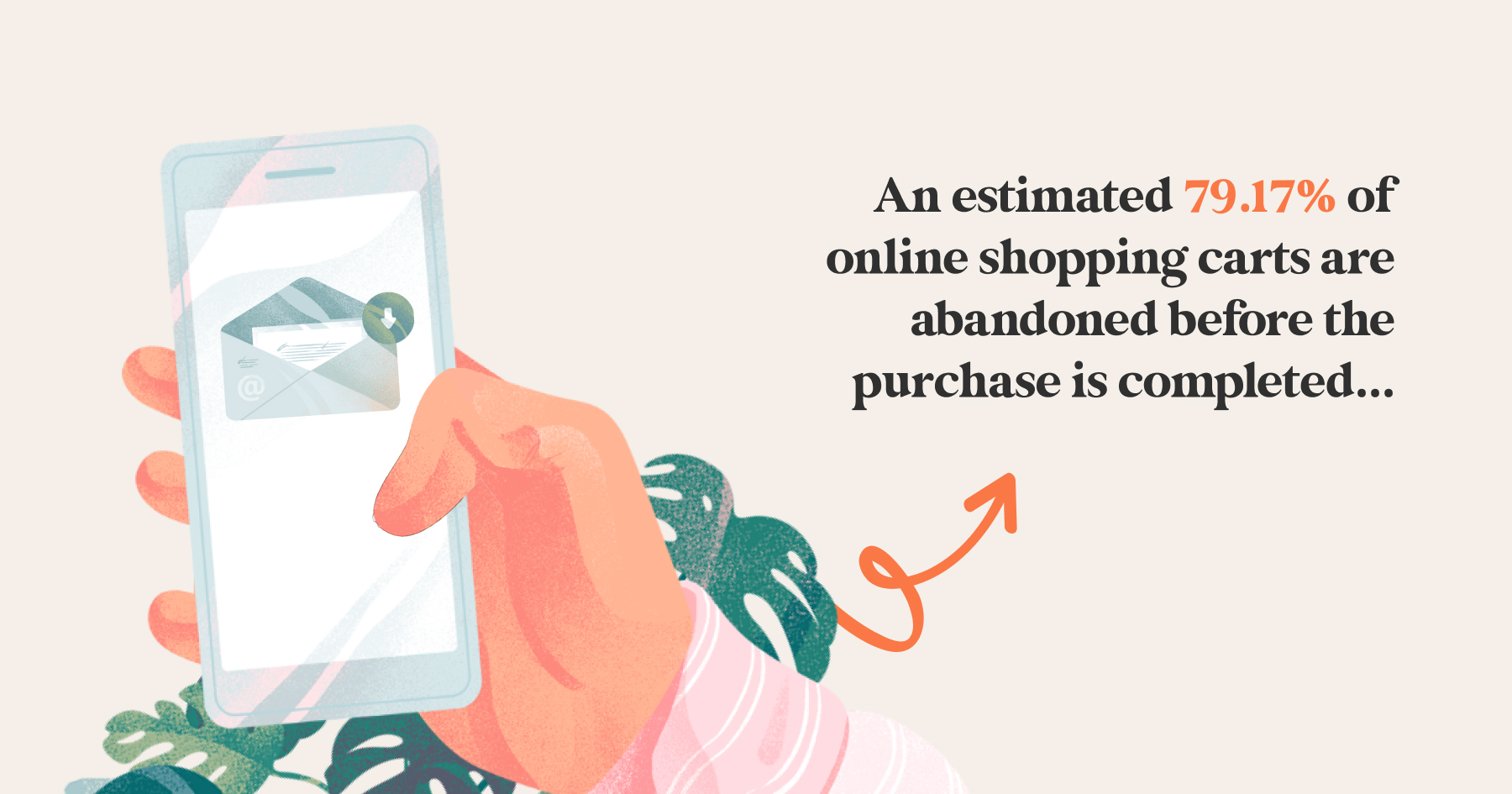
Abandoned cart and browse behavior can reveal strong purchase intent. An estimated 79.17% of online shopping carts are abandoned before the purchase is completed, while effective abandoned cart flows can recover more than 18% of these lost sales. A personalized reminder can reference the product or category a customer interacted with and provide a useful reason to return.
Recognize loyal customers
Long-term customers have already built a relationship with the brand, so SMS can be used to acknowledge that history. Early access, loyalty rewards, birthday messages, or invitations to exclusive launches can help customers feel recognized and valued.
Rather than continuing to send the same standard promotions, brands can create a re-engagement experience based on past preferences and behavior.
The role of personalization in SMS performance
Personalization can improve performance by aligning the audience, timing, offer, and message more closely with customer intent. It also creates opportunities for testing. Brands can compare segments, offers, timing windows, and message formats to see what drives stronger results.
SMS conversion optimization should therefore be treated as an ongoing process rather than a one-time campaign adjustment. Tracking clicks, conversions, revenue, unsubscribe rates, and performance across different audiences can show where personalization is working and where the strategy needs refinement.
With our guidance, our clients have achieved up to 367% growth through personalized channel strategies and implementing deeper customer insights.
How Growth Gurus can help with SMS personalization
Building effective SMS campaigns involves choosing an audience, crafting a message, and connecting customer data with segmentation, lifecycle planning, automation, testing, and retention.
Growth Gurus helps e-commerce brands turn customer insights into personalized journeys across SMS, email, and other retention channels. Our approach to personalized SMS marketing for customer retention focuses on using the right customer data to shape more relevant messages, offers, and timing.
If your brand needs support developing a data-led retention strategy, contact Growth Gurus to discuss how customer data can be turned into more relevant campaigns and stronger customer relationships.

Frequently asked questions
How do you personalize SMS marketing campaigns?

Use customer information such as purchase history, behavior, preferences, and lifecycle stage to decide which message, offer, and timing are most relevant to each audience.
What customer data should be used for SMS marketing?
Useful data includes previous purchases, browsing activity, engagement, product preferences, customer value, and lifecycle stage.
How does SMS segmentation improve e-commerce conversions?
Segmentation helps brands send more relevant messages to people based on their interests and intent, which can make offers and reminders more timely and useful.
What is the difference between personalized and mass SMS campaigns?
Mass campaigns send the same or similar message to a broad audience, while personalized campaigns adapt messaging, offers, or timing based on customer information and behavior.
How can e-commerce brands collect data for SMS personalization?
Brands can collect consent-based data through purchases, website interactions, preference forms, surveys, loyalty programs, and customer engagement across marketing channels.
Recent Blog Post


Ready to grow your business?
If you want your business to experience more sales and faster growth, all you need to do is book a meeting with us today.