7 retention mistakes we see in nearly every e-commerce account audit

E-commerce brands often invest heavily in acquisition, creative, paid media, and product launches, yet continually see revenue gaps after the first purchase. An account audit can show where customers drop off in their journey and why email and SMS may not be driving enough repeat purchases. It also helps identify areas where segmentation, automation, lifecycle planning, campaign strategy, and reporting can be improved to increase retention.

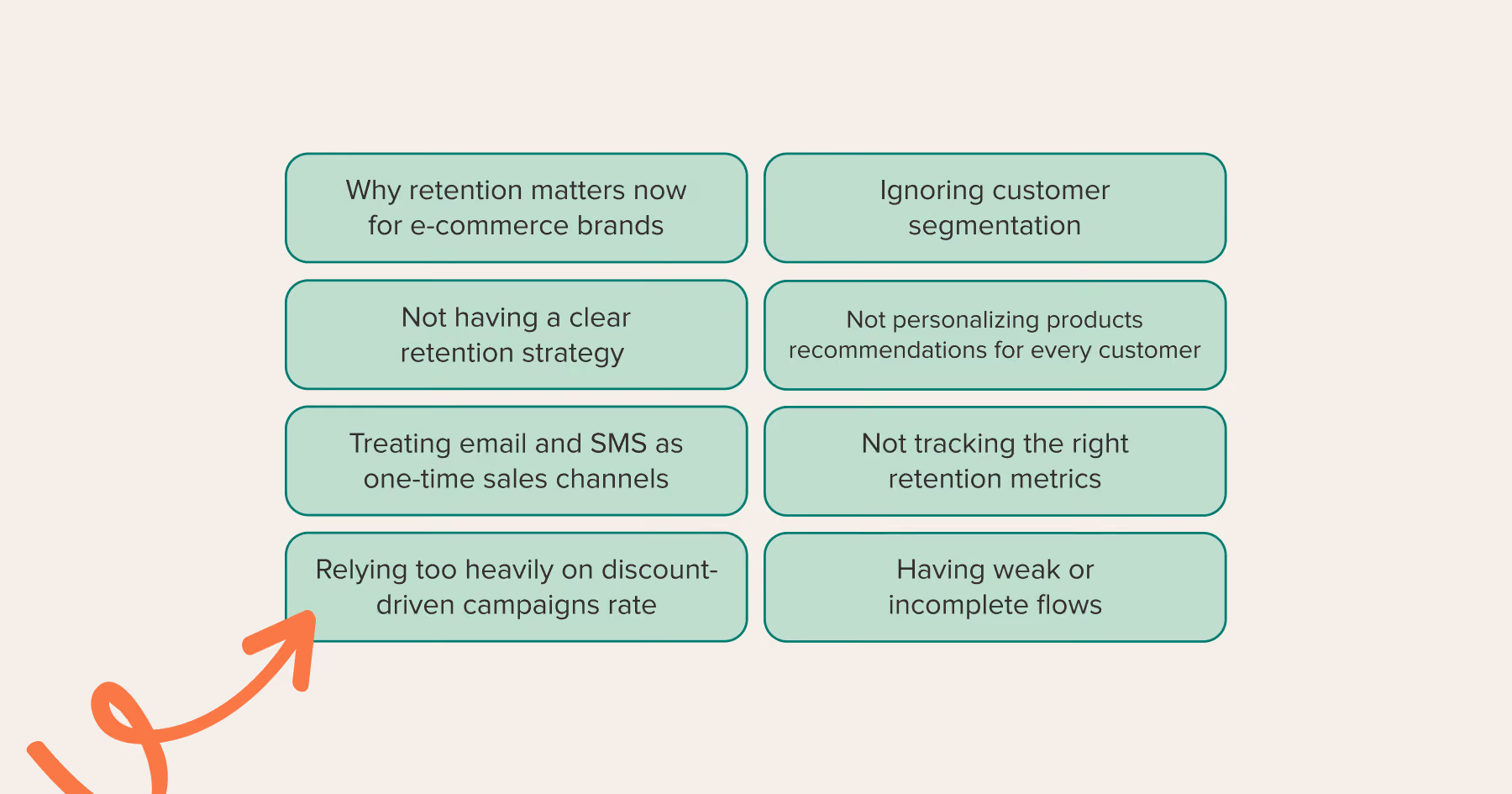
Common retention mistakes that show up in most e-commerce account audits
A first purchase is a strong signal of trust, but repeat revenue depends on what happens next. In account audits, we often see brands with active campaigns and growing lists, yet the post-purchase journey still feels thin. Customers may receive updates and sales messages, but they are not always guided with useful follow-ups that support their next order.
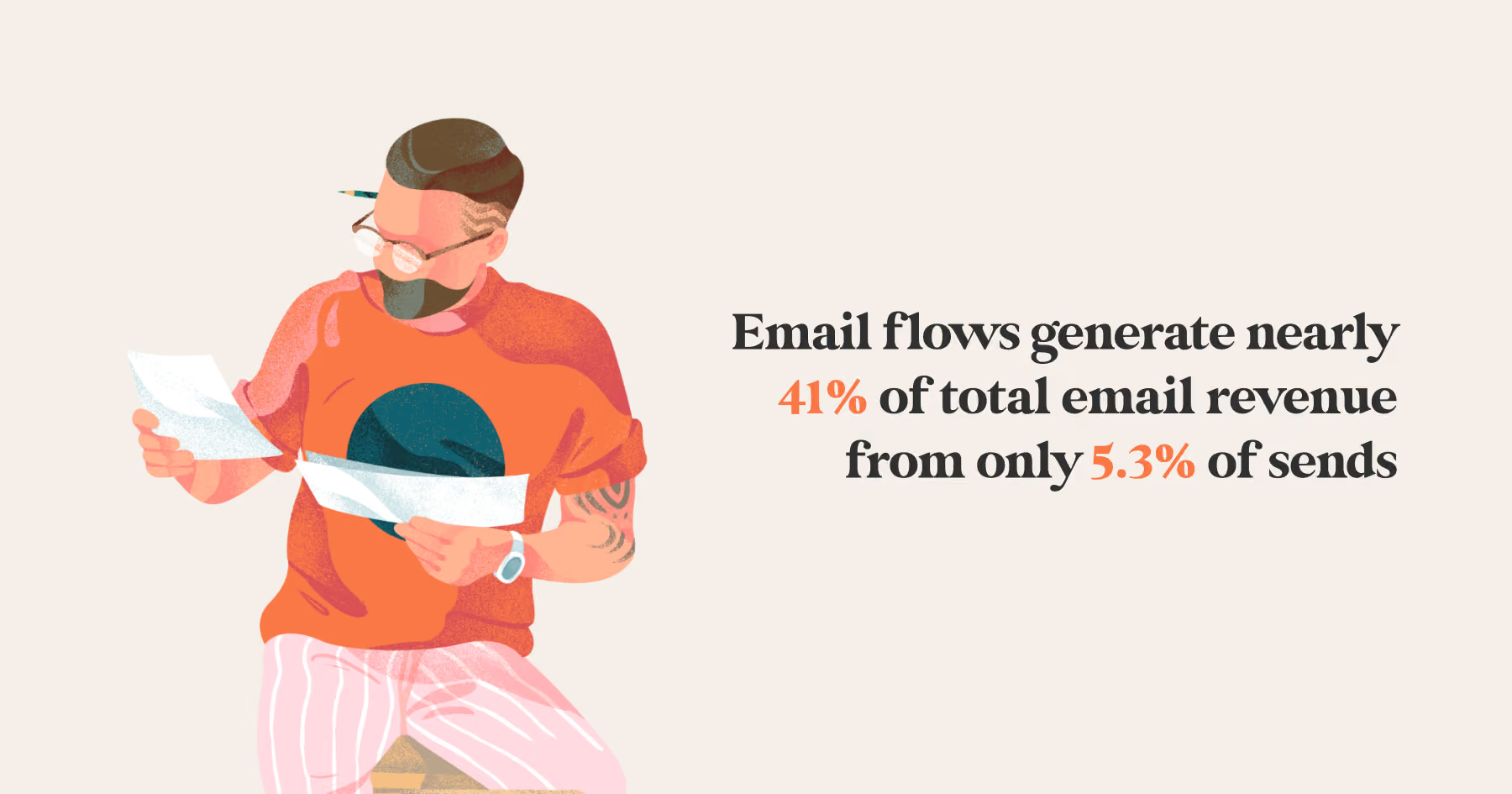
A clear customer retention strategy gives that follow-up a purpose. Industry benchmarks show that email flows generate nearly 41% of total email revenue from only 5.3% of sends, which makes automation, timing, and relevance worth reviewing when e-commerce growth feels expensive or inconsistent.
Why retention matters now for e-commerce brands
Acquisition is important, but relying on it too heavily can put pressure on growth. Paid media costs can shift, competition can increase, and shoppers often compare several brands before deciding where to buy.
A strong e-commerce customer retention strategy helps brands get better value from the customers they have already worked hard to acquire. It can support stronger lifetime value, repeat purchase rates, purchase frequency, and owned channel revenue.
Retention depends on clear follow-up after the first purchase. When that follow-up is not planned well, brands can miss repeat purchase opportunities, even while campaigns and flows remain active. The first issue usually starts with the strategy behind those touchpoints.
Not having a clear retention strategy
The account can look active on the surface. Campaigns are going out, flows are running, and revenue is still coming in, but the customer journey does not have a clear path.
The issue is that each touchpoint does not always have a clear role. A structured retention marketing strategy connects email, SMS, offers, timing, and reporting, so that the brand does not experience sales dips that need to be fueled by additional promotions.
Treating email and SMS as one-time sales channels
Analyzing the campaign calendar usually reveals this quickly. Email and SMS are used when there is a product launch, sale, inventory update, or last-chance message, but helpful touchpoints between promotions are limited or missing.
These sales campaigns can still have a place, but they should not be the only reason customers hear from the brand. A well-planned e-commerce email marketing strategy also includes product education, care tips, replenishment reminders, review requests, loyalty updates, back-in-stock alerts, post-purchase guidance and more, so that email and SMS feel useful, not transactional.
Relying too heavily on discount-driven campaigns
Discount dependency often shows up through the rhythm of the account. A percentage-off code, limited-time offer, or sale reminder appears so often that subscribers are subconsciously conditioned to wait for the next price-incentive to arrive in their inbox to shop.
Discounts can be useful during seasonal moments, launches, or inventory pushes, but the problem starts when they become the center of every campaign. A better example of retention strategy means using discounts with purpose, instead of making price the whole conversation.
Ignoring customer segmentation
Segmentation gaps become clear when very different customers are treated the same. A first-time buyer, a VIP customer, a discount shopper, and an inactive subscriber all receive the same message, even though each one has a different relationship with the brand.
Strong e-commerce retention marketing uses customer data in a practical way. Purchase history, engagement, product interest, customer value, and inactivity can help shape messages that meet each customer exactly where they are in the buying journey.
Not personalizing products recommendations for every customer
Even with segmented lists, a campaign can still be too broad. An effective e-commerce lifecycle marketing approach uses what customers have bought, viewed, or shown interest in to create messages that are timely and relevant.
Having weak or incomplete flows
When we first work with brands, they often have a few automations in place, but flow setup is not complete enough to support retention properly. While some flows may be live, others are missing, outdated, or too basic to make an impact.
The issue is not always the absence of automation. Sometimes the flows exist, but the timing is off, the content has not been refreshed, or the logic does not reflect how customers actually buy. A stronger customer lifecycle marketing setup keeps each flow purposeful and connected, so customers are not left with gaps between their initial interaction, first order, next purchase, and long-term relationship with the brand.
Not tracking the right retention metrics
One pattern that stands out in our retention reporting is how healthy the top-line number can look while customer behavior tells a different story. Email or SMS may be generating revenue, but customers are still taking longer to reorder, buying less often, ignoring win-back messages, or unsubscribing at high rates.
Great email marketing campaign management should make those signals easy to read. Repeat purchase rate, customer lifetime value, purchase frequency, automated flow revenue, segment performance, deliverability, loyalty engagement, and new versus returning customer revenue can show whether the account is building real retention or relying on short-term campaign lifts.
How an e-commerce account audit reveals hidden retention gaps
An account audit reviews how customers move from first contact to repeat purchase. It looks at email, SMS, automation, segmentation, creative, timing, offers, deliverability, and reporting.
During an audit, we may uncover:
- Missing flows that leave important stages of the customer journey unsupported
- Weak post-purchase messaging that does not guide customers toward placing a second order
- Poor segmentation that sends the same message to buyers, prospects, and inactive subscribers
- Overuse of discounts that train customers to wait for promotions
- Outdated automation logic that no longer matches current products, offers, or buying patterns
- Limited reporting that makes it difficult to see what is driving retention
These gaps are common because revenue can hide inefficiency. A brand may still earn from email and SMS, but can not unlock the true value of an integrated retention strategy (fueled by more frequent repeat purchases and higher customer lifetime value) until the effectiveness of their existing strategy is assessed and improved.
How to fix retention mistakes before they limit growth
Start by mapping the customer journey from initial signup to first purchase and repeat orders. This makes it easier to see where customers lose momentum. From there, focus on the areas that can improve repeat purchases fastest.
A practical plan may include:
- Reviewing automated flows
- Improving post-purchase education
- Creating priority customer segments
- Testing non-discount campaign angles
- Updating win-back timing
- Tracking repeat purchase behavior
Brands that need support may benefit from e-commerce marketing services that connect strategy, creative, automation, and optimization into a consistent retention system.
Final thoughts
Retention mistakes are easy to overlook because they often sit beneath active campaigns and automated flows. Emails may still be sent, SMS may still generate clicks, and revenue may still appear in reports, yet the account may still be missing stronger repeat purchase and lifetime revenue opportunities.
The goal is to send better messages at the right moments, with clearer intent and a stronger understanding of the customer journey. Customers can usually feel the difference between a brand that is simply promoting and a brand that is paying attention.
At Growth Gurus, we build retention around meaningful customer connections. With the right lifecycle strategy, segmentation, automation, and reporting, e-commerce brands can create stronger relationships and a healthier path to growth.
Frequently asked questions
What is e-commerce retention marketing?

E-commerce retention marketing is the process of encouraging existing customers to return, buy again, engage with the brand, and increase lifetime value through email, SMS, loyalty, and automation.
Why do e-commerce brands lose repeat customers?
E-commerce brands often lose repeat customers because follow-up is weak, messaging feels generic, discounts are overused, and customers are not guided toward the next relevant purchase.
How can e-commerce brands improve customer retention?
Start with stronger post-purchase communication, better segmentation, useful lifecycle flows, and repeat purchase reporting.
What should be included in an e-commerce retention audit?
A retention audit should review automated flows, campaign strategy, segments, SMS usage, deliverability, product recommendations, repeat purchase behavior, reporting, and the full customer journey.
Why is customer segmentation important for retention?
Customer segmentation helps brands send relevant messages to groups such as first-time buyers, VIP customers, inactive shoppers, category buyers, and discount-sensitive customers.
Why do e-commerce retention programs fail?
E-commerce retention programs often fail because they rely too heavily on promotions, ignore lifecycle timing, underuse customer data, and treat email and SMS as separate channels.
Recent Blog Post


Ready to grow your business?
If you want your business to experience more sales and faster growth, all you need to do is book a meeting with us today.