E-commerce marketing for baby brands: How to use email to boost sales

Children bring immeasurable joy into the world, and families invest significant time and effort in choosing the best products for their little ones. The vast baby care market offers various items to make parenting more convenient. With brands competing to stand out, effective marketing is essential. Using the right tools and strategies, you can connect with parents who genuinely need and appreciate what you offer.
.avif)
How to use email campaigns to drive sales for baby brands
As a baby brand, you focus on providing safe, high-quality products for families who want the best for their children. However, having a great product line is only part of the equation. To ensure your offerings gain visibility, you need a strategic approach that connects you with parents seeking products they can trust. This is where email marketing comes in as a powerful channel to communicate with your audience, build lasting relationships, and foster brand loyalty over time.
When marketing baby products, reaching the right parents with consistent, meaningful messaging can drive significant returns on your efforts. Email marketing is a cost-effective and personalized method to engage busy parents. It allows you to present valuable content, share special promotions, and address concerns around safety and benefits, all while giving subscribers the flexibility to read at their own pace.
More importantly, email campaigns help you nurture one-on-one relationships with current and potential customers, improving trust and brand preference. Let’s begin by understanding why email marketing is essential for children’s product lines and how it can be the cornerstone of a successful online strategy.
What is email marketing, and why is it essential for baby brands?
Email marketing is sending targeted messages to a list of subscribers who have expressed interest in your offerings. This approach is particularly beneficial in the baby products sector because parents often need consistent guidance, reassuring communication, and reminders about the products and services that best serve their needs. A well-crafted email can introduce new items, highlight discounts, or share valuable parenting tips that engage recipients.
Inboxes are personal spaces where you can customize content based on each subscriber’s interests, ensuring messages remain relevant and relatable. Whether you’re announcing a new stroller model or recommending teething solutions, an effective email speaks to the recipient’s stage of parenting and encourages them to take action.
In fact, email marketing delivers an average ROI of $42 for every $1 spent, making it one of the most cost-effective channels available. Moreover, 81% of small businesses rely on email as their primary customer acquisition channel, while 80% use it for customer retention.
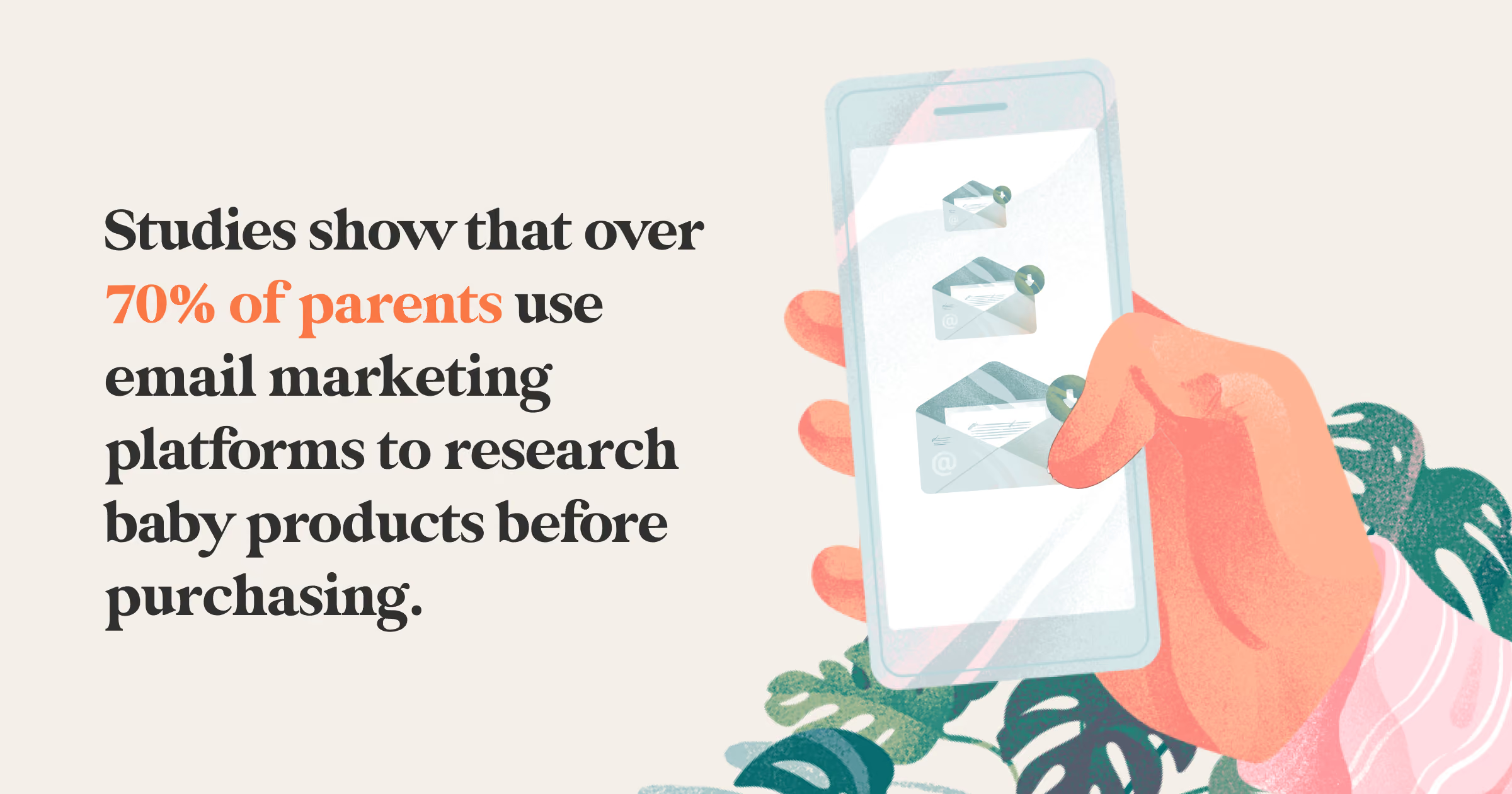
For baby brands specifically, email marketing provides an opportunity to reach highly engaged parents actively searching for safe and reliable products. Studies show that over 70% of parents use email marketing platforms to research baby products before purchasing.
Who can do email marketing for your kids' brands?
While many baby brand owners experiment with do-it-yourself marketing methods, there comes a point when professional assistance can make all the difference. Collaborating with an experienced e-commerce email marketing agency can free you from tedious tasks and guide you toward optimized campaigns. Experts in this space have the knowledge and resources to conceptualize, build, and execute targeted email strategies. They help you reach the right parent segment with carefully timed promotions, valuable content, and automated messages that address every stage of a buyer’s journey.
Partnering with professionals not only streamlines your operations but also brings fresh insights. Specialists in email campaigns keep tabs on the latest trends, understand crucial compliance requirements, and integrate advanced tools for automation and analytics. This expertise allows you to concentrate on producing quality baby products while leaving the heavy lifting of email marketing to seasoned experts.
If you’re looking for an industry leader with a proven track record, Growth Gurus stands out as a solid partner. Their team brings together extensive experience in email marketing, with a special focus on nurturing meaningful relationships between brands and customers. By focusing on clarity, brand consistency, and careful segmentation, they ensure every email you send speaks to the exact needs of your audience.
How to market a product for kids: Practical tips and tricks
Creating a marketing campaign that resonates with parents requires a thoughtful, balanced approach. You must highlight the product’s benefits and safety features while appealing to the joy and excitement of caring for children. In other words, aim to tell a story that captures a parent’s heart.
Know your target market
Parents come from diverse backgrounds, have varying schedules, and hold different parenting philosophies. Recognizing these differences is essential for crafting messages that resonate. Identifying your target audience for baby products involves understanding the daily routines, concerns, and aspirations that busy moms and dads may have.
An email campaign for first-time parents might differ from one tailored to parents of multiple children. Treating each group uniquely allows you to address their specific challenges, whether sleepless nights or juggling daycare routines. This nuanced approach ensures your content feels personal and timely, improving the effectiveness of your campaigns.
The parent persona
The “parent persona” concept is about understanding behaviors and motivations among families who may benefit from your products. It’s an in-depth profile that goes beyond surface details to explore personality traits, values, and pain points. For example, if you’re selling eco-friendly diapers, you might create a persona around an eco-conscious mother who values sustainability and durability.
Every aspect of your email strategy—from the subject line to the design—should reflect this persona. If a segment of your audience favors organic and cruelty-free items, emphasize these features in your product descriptions. Highlight any philanthropic initiatives that align with these parents’ values, such as donating a portion of the proceeds to children’s charities or using recyclable packaging. Aligning your campaign with what matters to your persona creates relevant and personal messages.
Understanding the emotions
Parents often experience emotional highs and lows, driven to give their children the best start. These emotions can range from excitement over developmental milestones to anxiety about safety and a need for trustworthy guidance. When you show genuine empathy through your email content, parents feel seen and heard, fostering a deeper connection with your brand.
For instance, you can reassure parents about a product’s safety by sharing the manufacturing process and quality certifications it has earned. Or empathize with a sleepless mom who needs practical baby gear to ease nighttime routines. The more you address the emotional realities of parents, the more your brand will stand out as a source of support, not just a sales pitch. By acknowledging these concerns in your emails, you build trust that encourages families to stick with your brand for the long term.
Building and nurturing an email database
Once you understand your target market, it’s time to build a list of parents most likely to benefit from your products. Establishing this database involves creative methods of capturing leads online. However, the real power lies in growing, maintaining and nurturing the list so subscribers remain active and engaged with your brand.
Growing an engaged list of parents
Your website is a prime place for gathering email addresses. Make it easy for visitors to sign up for updates, special offers, or helpful tips by embedding precise, concise signup forms on relevant pages. You can also offer incentives, such as a small discount or a free parenting guide, to encourage subscriptions.
Beyond your website, social media can help broaden your reach. Encourage your followers to subscribe by highlighting the benefits of receiving your emails—exclusive discounts, early access to new products, or helpful parenting tips. This helps attract highly relevant subscribers, setting the stage for meaningful engagement.
Optimizing signup forms for higher conversions
Poor form design can hurt your success even with a compelling reason for parents to sign up. Keep your signup forms straightforward and visually appealing. A minimal approach works best—ask for only the essential information, such as name and email address, especially during initial contact. You can gather more details later through progressive profiling or surveys sent after they’ve joined your list.
In addition to form design, consider placement and timing. If your website has an e-commerce component, add a simple pop-up at checkout, inviting customers to subscribe for shipping updates or future discounts and for parents to read a blog post about newborn safety tips, including a sign-up link promising more in-depth content on childproofing.
Utilize automation email marketing tools
Automation platforms have transformed the way brands communicate with their audience. By setting up automated workflows, you can ensure that parents receive timely, relevant emails at each milestone—a welcome message when they first subscribe or a reminder to restock diapers after a month. With the expertise of an e-commerce email marketing agency, you can seamlessly integrate these tools into your marketing plan, allowing you to focus on product development. In contrast, your email flows run on autopilot.
Personalized email sequences for parents
Personalization goes beyond simply inserting a subscriber’s name into the subject line. Advanced email marketing platforms, such as Klaviyo, can segment your audience based on purchase history, browsing behavior, or even their stage of parenting. From there, you can create sequences that address the exact needs of each segment. For instance, new subscribers might receive welcome emails introducing your brand story, highlighting best-selling products, and offering a first-purchase discount.
Over time, your platform gathers data on how subscribers interact with your emails—whether they click on specific product categories or frequently open messages about safety tips. Use these insights to fine-tune your sequences further. If a subset of parents consistently engages with toddler meal ideas, you can tailor subsequent campaigns to highlight mealtime accessories or nutrition-oriented products. This level of personalization helps build ongoing trust and encourages repeat purchases.
Triggered emails based on parent behavior
One of the most powerful aspects of email automation is the ability to send triggered messages when subscribers take specific actions. These could be simple triggers, like sending a cart abandonment email when someone leaves items in their online shopping cart, or more sophisticated ones, like following up with parents who clicked on a link about “best baby monitors” to provide a curated product guide. Reacting to user behaviors in real time keeps your messages highly relevant and timely.
Additionally, triggered emails help you re-engage with those who have gone silent. A reactivation campaign can be set up to automatically send a gentle nudge to subscribers who haven’t opened your emails for a certain period. It could be a reminder of upcoming product launches, a special “we miss you” discount, or a simple check-in to see if their preferences have changed. This approach can win back previously interested parents and keep your email list clean by identifying those who may no longer be interested in your offerings.
Earning trust with email communication
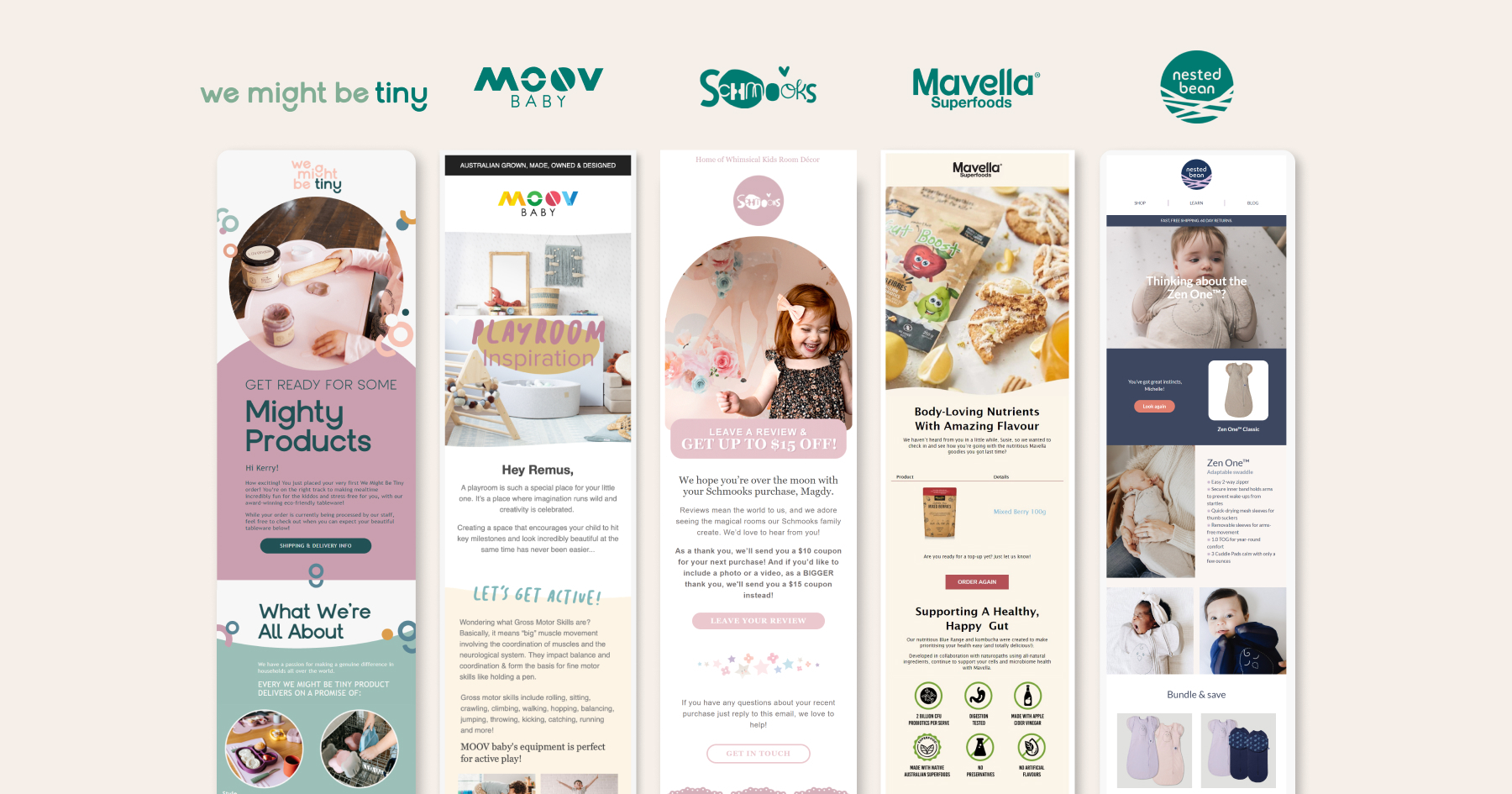
Trust is paramount when marketing baby products. Parents must feel confident about your brand’s dedication to safety, quality, and reliable information. Email communication, with its more personal and direct style, offers a unique space to earn and maintain this trust. You can foster loyalty beyond a single purchase by incorporating genuine feedback, transparent product data, and thoughtful messaging.
Showcasing real testimonials and stories
Parents often rely on the experiences of other families when making purchase decisions. Include testimonials from satisfied customers in your emails, highlighting specific benefits that resonated with them. Rather than using generic praise, showcase the real-life problem that your product solved. For example, a mother might share how your swaddle blankets helped her newborn sleep more soundly, leading to better rest for everyone in the household.
Add images or short videos of real parents talking about your product when possible. This visual proof underscores authenticity and allows your subscribers to see actual families benefiting from what you offer. You can even invite your customers to submit their own stories and feature these anecdotes in subsequent emails. Over time, this user-generated content forms a robust library of social proof that reassures prospective buyers.
Transparency in product information within emails
Along with user feedback, transparency about materials, manufacturing processes, and safety certifications can be instrumental in establishing credibility. Parents want to know, in detail, what goes into the products they give their children. If you source organic cotton for baby clothes, say so. Being forthcoming with information, you quell lingering doubts and position your brand as open and honest.
Consider featuring behind-the-scenes glimpses of your manufacturing or quality control steps. Even brief mentions of eco-friendly practices, such as using minimal packaging or reducing carbon emissions, can sway parents who prioritize sustainability. When your emails consistently reinforce this level of transparency, parents begin to see you as a retailer and a reliable partner in their childcare journey.
Bridging the gaps: Creating emails that convert
Converting a prospective parent into a satisfied customer requires more than a clever headline or a discount code. In fact, many families want to feel like they’re making an informed decision that aligns with their values and daily realities. Offering educational content and infusing fun into your emails can bridge the gap between brand awareness and actual purchase, ensuring that parents feel informed and delighted.
Educational content that resonates with parents
Parents, especially those new to the journey, often seek guidance on child-related topics. They look for tips on child development, nutritional advice, and product usage instructions. When you deliver knowledgeable, well-researched content straight to their inbox, you position your brand as a credible resource. This not only keeps subscribers interested but also fosters goodwill. Over time, parents who trust your informational pieces are more likely to buy your offerings.
Consider devoting a section of your email to quick parenting hacks or linking to a detailed blog post that explores a relevant subject in depth. For instance, if you sell feeding accessories, you could provide tips on transitioning from breast or bottle to solid foods. The more value your subscribers glean from these communications, the more open they will be to your promotional messages.
Adding a touch of quirk and fun in email copy
Raising children is a serious undertaking but comes with countless moments of joy and amusement. Reflecting this duality in your email copy can make your brand more relatable. A comic subject line or a playful greeting can spark curiosity and encourage openness. Similarly, a lighthearted tone interspersed with helpful advice can keep readers engaged.
Evidence of the quality and controlled safety of the product
Baby brands operate within a highly sensitive industry where product reliability can directly impact the well-being of children. Thus, demonstrating quality and safety isn’t just a marketing tactic—it’s a fundamental requirement. Through strategic, well-designed emails, you can showcase your company's rigorous measures to ensure that what you sell meets or exceeds established standards.
Highlighting key product benefits clearly
Ensure the product’s top benefits appear immediately in every email that spotlights a particular item. Parents have limited time, and you want them to grasp your value proposition within seconds. Instead of using buzzwords, use concise bullet points or short paragraphs detailing how your product stands out. If your baby lotion has a non-irritating formula tested by pediatric dermatologists, say so clearly and back it up with relevant data.
You can also spotlight how these benefits translate to ease and peace of mind. For instance, if you offer a swaddle that fosters safer, longer sleep, mention the user-friendly design that makes it simple to wrap a fussy infant in seconds. This immediate link between product features and parental relief can tip the scales when someone is debating whether to purchase.
Providing solid evidence for product claims
Parents are more discerning than ever and appreciate clear, actionable proof that a product does what it claims. When your teething toys are free from BPA and other harmful chemicals, highlight the certifications that affirm those claims. Referring to recognized authorities, such as the American Academy of Pediatrics or other well-regarded institutions, further reinforces your credibility.
In an email format, consider linking to a page where all certifications or reviews are compiled for easy reference. You could also include short testimonials from child development experts or pediatricians who endorse your brand. This level of transparency speaks volumes about your commitment to delivering quality baby products. It goes a long way in soothing parents' anxiety about trying a new brand.
Improving emails with images and videos
Parents are often short on time but still appreciate engaging visuals that quickly convey a product’s value. Pairing concise text with compelling images or videos creates a more immersive experience for readers. This approach showcases the look and functionality of your baby's items and appeals to a parent’s natural inclination to verify a product’s suitability for their child visually.
The power of high-quality imagery in emails
From bright, welcoming banners to detailed close-ups, professional images can make all the difference in how your email is perceived. Use pictures that focus on the product’s main features—like the softness of the fabric or how it fits into a nursery setting. Incorporate lifestyle photos that depict real families interacting with your items whenever possible. This tangible glimpse helps parents imagine the product in their homes and daily routines.
Moreover, well-placed images can break up walls of text, making your email more scannable. Parents juggling mealtime, naps, and errands often skim through messages. You guide them effortlessly through the content by placing an engaging visual beside each key point. Just remember to optimize the size and resolution of your images so that they load quickly across different devices.
Leveraging video marketing for higher engagement
Videos can be a game-changer for baby brands that want to showcase how their products function in real-life scenarios. Such dynamic content can instill confidence in parents, helping them see exactly how your product can simplify their lives.
Email hosting platforms typically allow you to embed or link to videos seamlessly. Try inserting a clickable thumbnail with a playful “play” icon, so recipients know there’s engaging content waiting for them.
Boosting conversions with informational emails
While eye-catching visuals and engaging copy are critical components of email marketing, the ultimate goal for any business is to inspire action—driving conversions and sales. Informational emails that blend helpful content with compelling incentives can motivate parents to move beyond browsing and become loyal buyers.
Creative offers to capture parent interest
Special promotions, limited-time discounts, and bundle deals can significantly entice parents to purchase. Yet, these offers become even more appealing when accompanied by educational tidbits. For example, if you’re launching a new line of organic baby food pouches, combine a discount code with a quick guide on balanced nutrition for infants. This approach lets you position your offer as a timely solution rather than a sales pitch.
Additionally, consider the timing of your emails. Parents may be more receptive to certain promotions on specific days or after milestones. If you track your customers’ purchase histories, you could send out a replenishment reminder and a discount code, as they’re likely running low on supplies.
Loyalty programs to retain customers
Retaining customers can be as crucial as attracting new ones, especially in the baby products sector. Families often go through repeated cycles of purchasing diapers, formula, clothing, and various other essentials. A well-crafted loyalty program can give parents a reason to come back regularly. Whether earning points towards future purchases or receiving early access to new products, loyalty incentives help create a sense of belonging and reward.
In your emails, clearly explain how the loyalty program works and how parents can benefit from participating. Showcase tiered rewards—like free shipping once they reach a certain spending threshold or exclusive gifts for birthdays or baby milestones. As members engage with your program, follow up with progress updates, reminding them how close they are to the next reward. These updates add a motivational push, enticing them to continue shopping and stay connected with your brand.

Final thoughts
Email marketing holds remarkable potential for baby brands that want to forge genuine relationships with parents. Each message you send can be an invitation to a supportive community of families who share common concerns, hopes, and priorities. By aligning your tone and content with parents’ emotions, offering them relevant tips, and presenting transparent product details, you establish your brand as a trusted partner in the parenting journey.
Creating a successful email campaign demands time, expertise, and strategic planning. Analyzing engagement data, segmenting your lists, and scheduling the right messages at the right moments can be complex. This is where an expert partner can lighten the load. Collaborating with a specialized e-commerce email marketing agency brings structure and refinement to your process.
Growth Gurus brings a deep understanding of family-centric marketing, helping you connect with parents in a genuinely resonating way. By combining creativity, data-driven insights, and a genuine empathy for caregivers, we craft email campaigns that speak directly to the real experiences of your audience. As a Klaviyo email marketing agency, we ensure every interaction—whether with a potential customer or a returning one—is thoughtful and impactful.
Don’t just send emails—create meaningful connections. Partner with Growth Gurus today, and let’s turn your email marketing into a trusted conversation with your customers.
Recent Blog Post



Ready to grow your business?
If you want your business to experience more sales and faster growth, all you need to do is book a meeting with us today.