18 actionable ways to improve customer experience in e-commerce

Customer experience in ecommerce has become a decisive factor for success in today’s digital marketplace. With rising competition and ever-evolving consumer expectations, brands need to deliver seamless, memorable, and convenient experiences at every touchpoint.

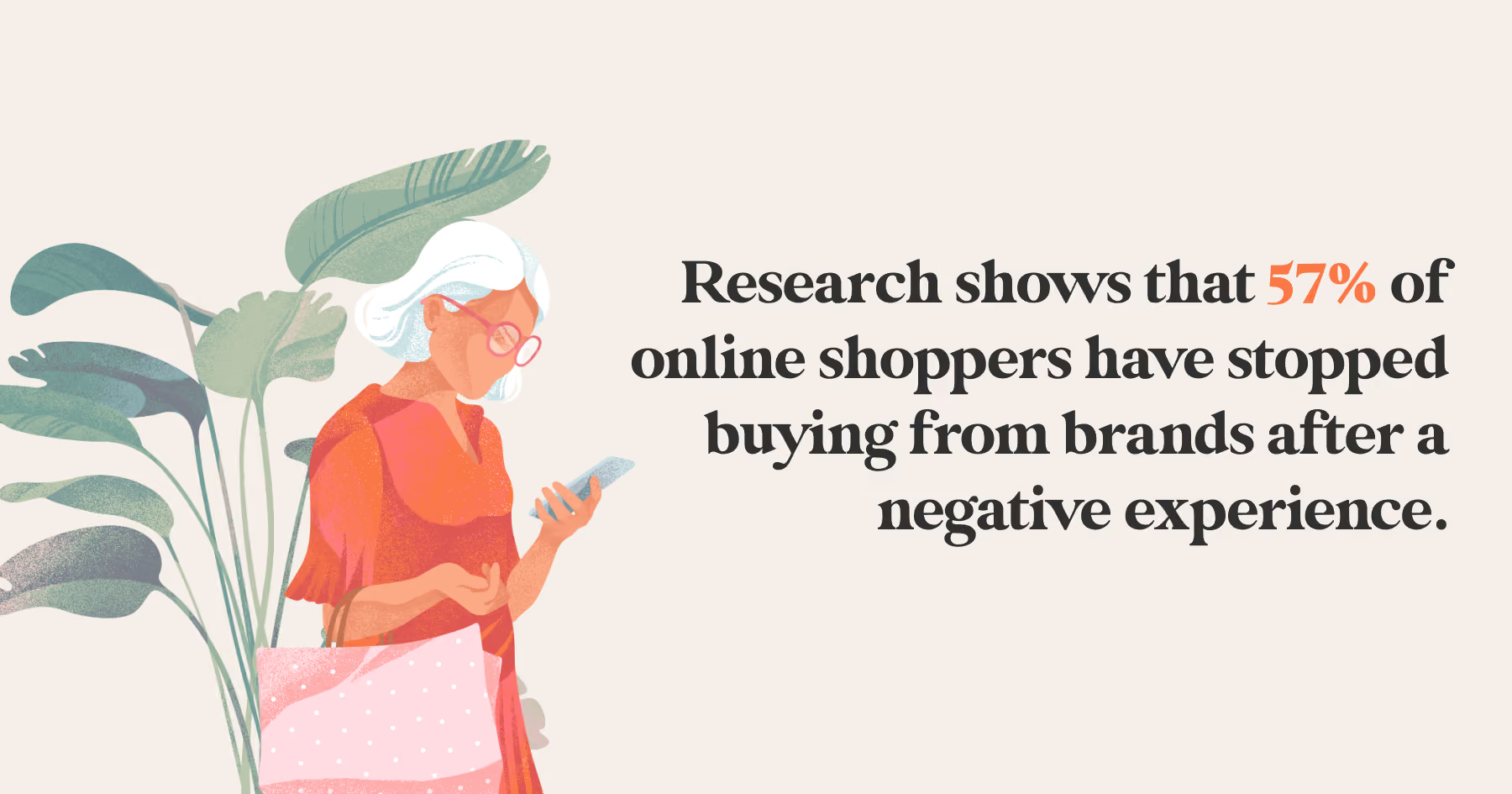
Research shows that 57% of online shoppers have stopped buying from brands after a negative experience. This statistic highlights how crucial it is to focus on improving the ecommerce customer experience to drive loyalty, repeat purchases, and sustainable growth.
How to create an effective e-commerce customer experience strategy
Building a strong e-commerce customer experience strategy starts with understanding your audience and aligning every aspect of your business to meet their needs. At Growth Gurus, we believe in a data-driven, personalized approach that integrates marketing automation, customer insights, and creative communication to empower brands. Our team specializes in helping ecommerce businesses leverage technology and tactics to create meaningful connections and deliver impactful growth. Whether you’re just starting or looking to refine your approach, a clear strategy is the foundation for building a great ecommerce customer experience.
Understanding e-commerce customer experience (CX)
Ecommerce customer experience (CX) refers to every interaction a customer has with your brand throughout their online journey, from discovering your store to post-purchase support. It encompasses website usability, product discovery, checkout processes, delivery, and after-sales service. A positive ecommerce customer experience delights shoppers, encouraging them to return and recommend your brand to others. This holistic perspective is essential for any ecommerce customer experience analysis.
Key factors that influence customer experience
Several elements shape the overall experience for e-commerce shoppers. The most influential factors include:
- Website performance and design: A fast, responsive website with intuitive navigation plays a significant role in keeping visitors engaged.
- Personalization: Tailoring the shopping experience to individual preferences can enhance satisfaction and lead to higher conversions.
- Customer support: Providing timely and helpful support during the pre-purchase and post-purchase phases is vital.
- Payment options: Offering a variety of secure payment methods makes it easier for customers to complete purchases.
- Shipping and returns: Transparent shipping policies, fast delivery, and easy returns contribute to a positive experience.
Studies consistently show that convenience, product quality, service satisfaction, and user experience are pivotal in driving satisfaction and loyalty.
Why does the e-commerce customer experience matter?
The importance of customer experience in e-commerce cannot be overstated. A seamless, enjoyable experience leads to higher conversion rates, increased average order values, and greater customer retention. Conversely, poor experiences can result in abandoned carts, negative reviews, and lost revenue. In a landscape where switching costs are low and alternatives are plentiful, brands that prioritize customer experience stand out and thrive. Convenience is a leading factor for online shoppers, and even minor friction in the buying process can deter purchases.
Online vs. in-store customer experience: What’s the difference?
While both online and in-store experiences aim to satisfy customers, their dynamics differ significantly:
- In-store shopping offers tactile engagement, face-to-face assistance, and instant gratification.
- Online shopping emphasizes speed, convenience, and accessibility from anywhere at any time.
E-commerce brands must compensate for the lack of physical interaction by optimizing digital touchpoints, providing detailed product information, and ensuring responsive support. The best ecommerce customer experience bridges this gap by making online shopping as engaging and effortless as possible.
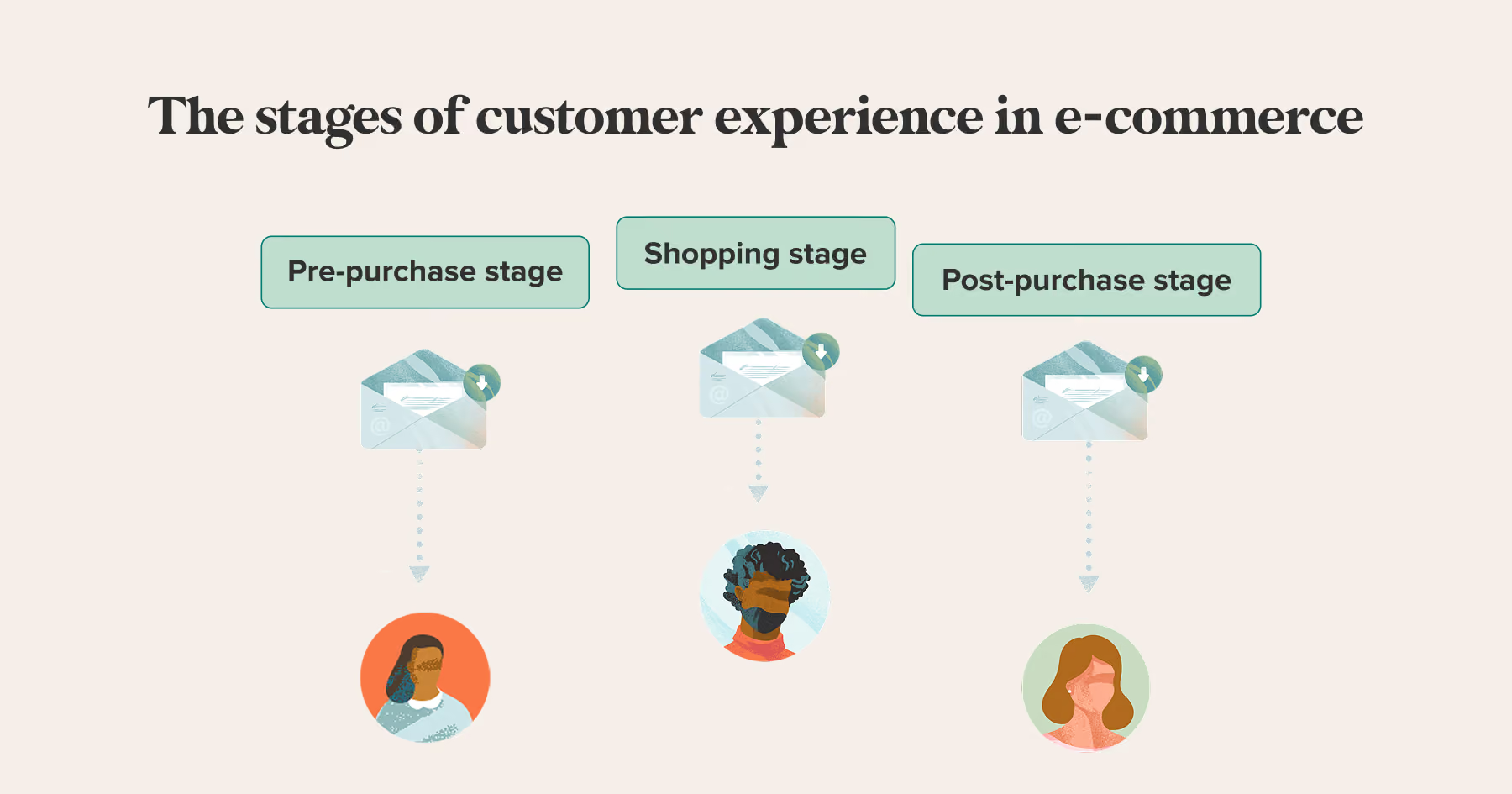
The stages of customer experience in e-commerce
Pre-purchase stage
The pre-purchase stage encompasses all interactions before customers make buying decisions, including brand discovery, research, and comparison activities. During this phase, customers form initial impressions through marketing materials, website design, product descriptions, and social proof elements. Compelling pre-purchase experiences provide comprehensive product information, customer reviews, detailed specifications, and clear pricing structures. Marketing automation plays a crucial role here, delivering targeted content that addresses specific customer interests and concerns while guiding them toward purchase decisions.
Shopping stage
The shopping stage covers the active purchasing process, from product selection through checkout completion. This stage requires seamless navigation, intuitive search functionality, detailed product pages, and streamlined checkout processes. Key elements include appealing product imagery, comprehensive descriptions, size guides, availability information, and transparent shipping and return policies. Preventing cart abandonment becomes crucial at this point. A strategic email marketing campaign management helps recover potentially lost sales through timely reminders and incentives.
Post-purchase stage
Post-purchase experiences significantly influence customer satisfaction and future buying behavior, extending from order confirmation through ongoing relationship management. This stage includes order tracking, delivery updates, product setup assistance, customer service interactions, and follow-up communications. Effective post-purchase strategies focus on exceeding delivery expectations, providing helpful resources, collecting feedback, and creating opportunities for future engagement. Strategic email and SMS campaigns during this phase help maintain connection while encouraging reviews, referrals, and repeat purchases.
How to improve e-commerce customer experience: 18 practical ways
Improving the e-commerce customer experience requires consistent effort across various stages of the customer journey. Here are 18 actionable ways to enhance the customer experience:
- Understand who your customers are
Everything starts with knowing your audience. Segment by demographics, behaviours, and purchase history. Use data to uncover what they care about and how they shop.
- Conduct surveys and polls
- Analysis of on-site behaviour
- Monitor purchase patterns
- Improve the customer journey
Mapping the customer journey helps uncover weak spots. Where do users drop off? Where do they hesitate?
- Use heatmaps and funnel analysis tools
- Optimise based on conversion paths
- Refine CTAs and eliminate distractions
- Broaden your product offerings
Sometimes, experience gaps arise from product limitations. Evaluate your catalog.
Is it meeting current demand?
- Offer bundles or complementary items
- Introduce trending products based on feedback
- Showcase new arrivals with well-timed emails
- Optimize user experience and interface design
A clean, responsive website design is critical. Research shows that 75% of users prefer mobile-friendly sites, and slow-loading pages can drive visitors away.
- Avoid clutter and keep interfaces intuitive.
- Mobile-first design is essential
- Prioritise speed, ensuring load times are under 2 seconds
- Use consistent colours, fonts, and button styles
- Provide multiple payment options
Cart abandonment often spikes when users don’t find their preferred payment method. Offering flexible, trusted payment solutions increases your chance of closing the sale.
- Include credit cards, digital wallets, BNPL (Buy Now, Pay Later), and local payment methods
- Display payment options early in the checkout process
- Ensure payment flows are secure and quickTailor the experience for each customer
Personalisation doesn’t need to be complex. A first name in an email, relevant product suggestions, or birthday discounts go a long way. According to the research, personalized experiences can boost revenue by up to 15% and foster loyalty.
- Use email segmentation to send relevant updates
- Trigger personalised follow-ups based on browsing behaviour
- Highlight previously viewed products
- Ensure cross-device and multi-channel accessibility
Your customer might browse your store on mobile, research on a laptop, and complete the purchase on a tablet. The experience should feel seamless regardless of the device.
- Optimise all screens and browsers
- Sync carts across devices
- Ensure email and SMS messages are mobile-friendly
- Create emotional connections with your audience
Brand stories, mission-driven content, and user-generated content (UGC) can turn a transactional relationship into a meaningful one.
- Share customer stories and reviews
- Highlight your values
- Use emotive, relatable language
- Deliver a consistent omnichannel experience
An omnichannel presence doesn’t mean being everywhere;it means being consistent wherever you are.
- Align branding across platforms
- Sync inventory and customer data
- Offer unified support (e.g., one chatbot across all touchpoints)
- Build engagement throughout the customer life cycle
Think beyond one-time purchases. Plan content and campaigns for each lifecycle stage.
- Welcome sequences for new signups
- Replenishment emails for consumables
- VIP content for repeat buyers
- Bring a human touch to customer interactions
In the digital world, human connection is more important than ever. Customers want to feel like they’re dealing with real people instead of automated systems.
- Use warm, conversational copy
- Add real agent names to chat support
- Use video content from your team or customers
- Maintain transparency with your customers
Being upfront builds trust, which directly impacts conversions and long-term loyalty. Don’t hide shipping fees or bury return policies.
- Display expected delivery dates at checkout.
- Keep customers informed with real-time order tracking.
- Own up to mistakes quickly and offer visible resolutions.
- Improve customer support
Good support is non-negotiable. It’s one of the most direct ways to improve customer experience in ecommerce, especially when things go wrong.
- Offer live chat, email, and social support
- Use AI for first-line support, but escalate to humans when needed
- Track support metrics like resolution time and satisfaction score
- Collect and act on customer feedback
Feedback is a direct line into how your customers think and feel. Use it to uncover pain points, improve products, and refine experiences.
- Use post-purchase surveys
- Monitor product reviews
- Make visible changes based on feedback
- Utilize social proof to build credibility
People trust other people. Showcasing how others use and love your products helps new buyers feel confident in their decisions.
- Add user reviews and star ratings to product pages.
- Highlight real customer photos and testimonials on social media.
- Use trust badges and security seals to reassure cautious shoppers.
- Develop customer loyalty programs
Loyalty isn’t something you earn once; it’s something you nurture. Give your best customers a reason to keep coming back.
- Offer points per purchase
- Include referral bonuses
- Provide early access to sales or products
- Commit to continuous innovation
E-commerce moves fast. Brands that stagnate get left behind. Staying relevant means trying new ecommerce customer experience trends, tactics, and experiences regularly.
- Stay updated on tech developments
- A/B test your pages regularly
- Attend webinars and industry events
- Make use of data and analytics to drive decisions
A strong ecommerce customer experience strategy is built on data, not guesses. Numbers can reveal what users love, where they struggle, and how to serve them better.
- Conduct ecommerce customer experience analysis monthly
- Monitor KPIs like NPS, churn, CLV, and conversion rates
- Use insights to improve your ecommerce customer experience strategy
How to measure and analyse customer experience
You can’t improve what you don’t measure. Tracking the effectiveness of your ecommerce customer experience strategy requires the right mix of quantitative and qualitative data.
Start with these essential metrics:
- Net Promoter Score (NPS): Measures how likely customers are to recommend you. It’s simple but powerful for gauging brand sentiment.
Customer Satisfaction Score (CSAT): Often used right after support interactions to measure immediate satisfaction. - Customer Lifetime Value (CLV): Tracks how valuable each customer is to your brand over time, which is great for understanding ROI on your CX efforts.
- Cart abandonment rate: If people are leaving at checkout, your experience is missing the mark somewhere.
- Support response and resolution time: How fast you solve problems tells a lot about your experience delivery.
Tools like Google Analytics and Klaviyo for email marketing, with built-in dashboards, are excellent for ecommerce customer experience analysis. These platforms provide insights into customer behaviour, preferences, and satisfaction levels, fueling smarter decisions across marketing and operations.
How does Yotpo support better ecommerce CX?
Yotpo is one of the most effective tools available for building trust and engagement at scale. It supports a number of key touchpoints that directly impact creating a great ecommerce customer experience.
Here’s how it helps:
- Reviews and UGC: Yotpo makes it easy to collect and display customer reviews, boosting trust at the decision stage.
- Loyalty and referrals: Their programs reward customers for actions that drive engagement and retention.
Yotpo’s integrations with platforms like Klaviyo and Shopify make it a wise choice if you’re serious about turning your store into a customer-first brand.

Conclusion
Delivering the best e-commerce customer experience is an ongoing journey that requires a deep understanding of your audience, a commitment to continuous improvement, and the right technology partners. By implementing these solutions for improving ecommerce customer experience, brands can boost satisfaction, retention, and advocacy.
At Growth Gurus, we specialize in helping e-commerce businesses harness the power of email, SMS, and marketing automation to create memorable experiences and drive impactful growth. Whether you’re seeking expert guidance from an e-commerce email marketing agency or looking to optimize your email marketing campaign management, our team is ready to help you achieve your goals. Start creating a great ecommerce customer experience today and watch your brand thrive.
Recent Blog Post


Ready to grow your business?
If you want your business to experience more sales and faster growth, all you need to do is book a meeting with us today.