Email campaigns for Gen Alpha: What e-commerce brands need to know

Gen Alpha represents the first generation born entirely in the digital age, making them crucial for e-commerce brands planning future success. These young consumers, born from 2010 onwards, interact with technology differently from previous generations and expect highly personalized, interactive experiences.
.avif)
E-commerce brands must adapt their email marketing strategies to capture this generation's attention through mobile-first designs, visual storytelling, and authentic engagement. Understanding their unique characteristics and preferences will determine which brands thrive in the next decade.
Email marketing tips for Gen Alpha that every e-commerce brand should know
Traditional email marketing approaches won't work for Gen Alpha. This generation has grown up with smartphones, tablets, and instant gratification. They process information faster, have shorter attention spans, and expect brands to communicate in their language.
Gen Alpha consumers expect emails that feel more like social media posts than traditional newsletters. They want interactive content, personalized experiences, and instant value. Brands that succeed with this audience understand that email marketing campaign management for Gen Alpha requires a complete shift in how we approach communication.
The most successful email campaigns for this generation combine entertainment with shopping, education with engagement, and personalization with authenticity. Brands need to create email experiences that feel native to the platforms where Gen Alpha spends their time.
Understanding Gen Alpha: Who are they?
Gen Alpha includes anyone born from 2010 to 2025. This generation has never known a world without smartphones, social media, and on-demand entertainment. They are digital natives who expect seamless technology integration in every aspect of their lives.
Unlike previous generations who adapted to technology, Gen Alpha was born into it. They learn through visual content, communicate through images and videos, and make decisions based on peer influence and social proof. Their purchasing power comes primarily through their parents, but their influence on family spending decisions is significant.
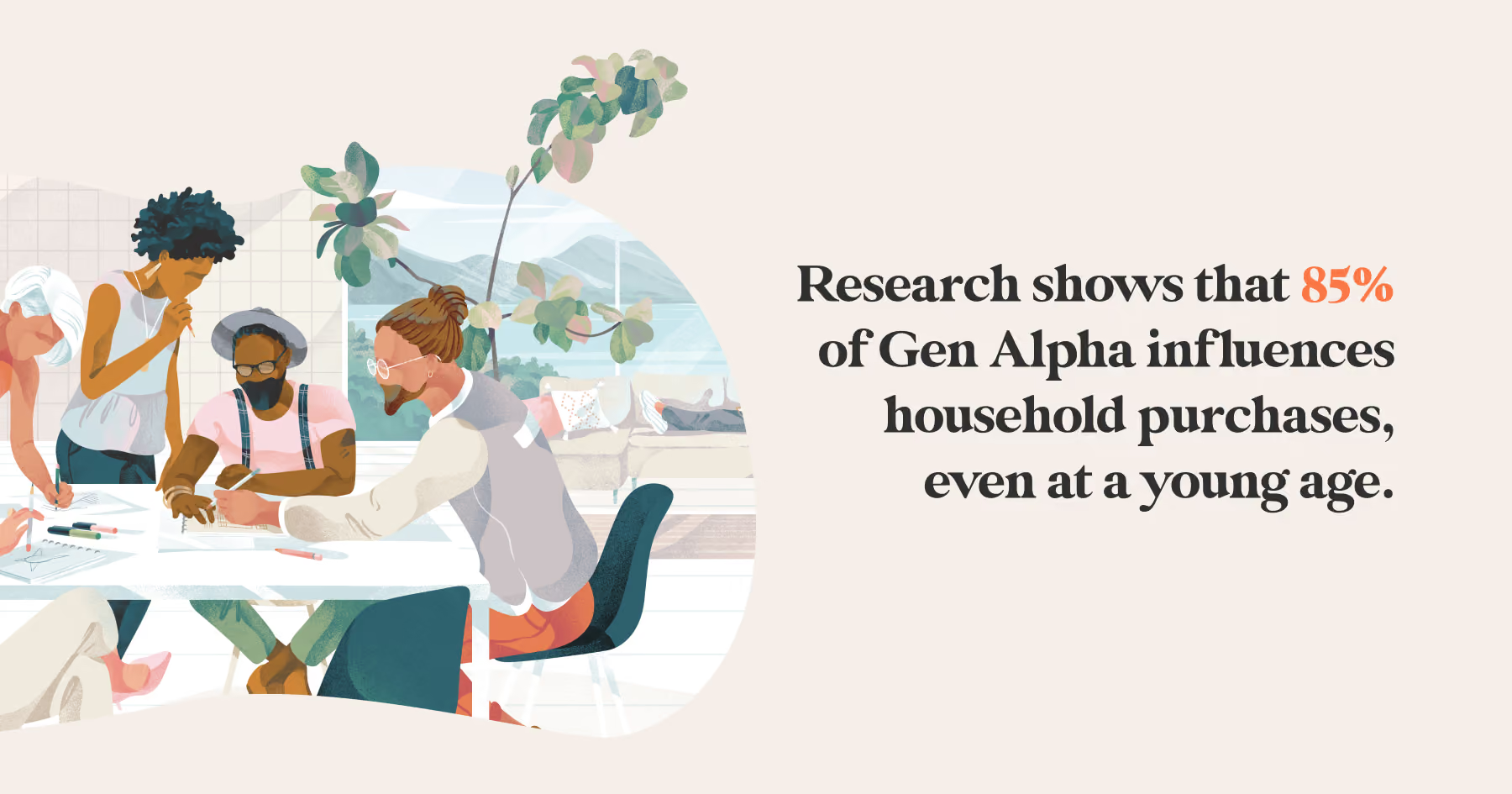
Research shows that 85% of Gen Alpha influences household purchases, even at a young age. They research products online, compare options across multiple platforms, and often introduce new brands to their families. This influence continues to grow as they get older.
Gen Alpha values authenticity, sustainability, and social responsibility. They expect brands to stand for something meaningful and to communicate their values clearly. Empty marketing messages or inauthentic content get ignored or actively rejected by this savvy generation.
Why Gen Alpha matters for e-commerce brands
Gen Alpha represents the future of e-commerce spending. Brands that build relationships with them now will have significant advantages over competitors who wait.
This generation will have unprecedented purchasing power. They're growing up during a time of increased focus on digital commerce, sustainable products, and personalized experiences. Their expectations for brand interactions are already higher than previous generations at similar ages.
Gen Alpha consumers expect brands to understand their individual needs and preferences. They want personalized product recommendations, customized email content, and shopping experiences that adapt to their behavior patterns. Generic mass marketing campaigns fail to capture their attention.
The brands that succeed with Gen Alpha will be those that invest in understanding their communication preferences, values, and digital behavior patterns. Investment in Gen Alpha marketing strategies pays dividends as this generation matures and its spending power increases.
What e-commerce brands target Gen Alpha?
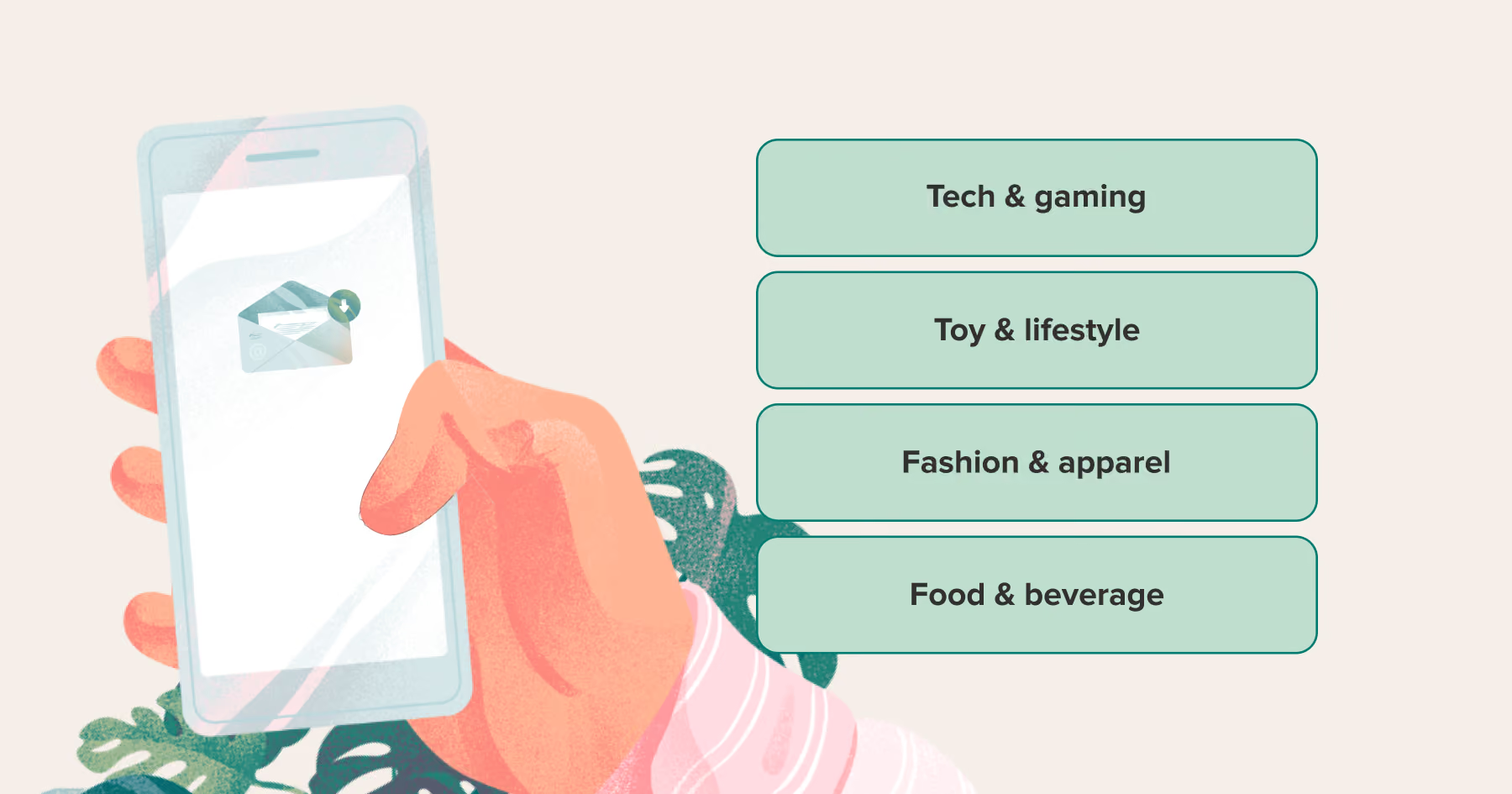
Several industry sectors have already recognized the importance of marketing to Gen Alpha and have begun tailoring their approaches accordingly.
Tech & gaming
Technology and gaming brands lead the way in Gen Alpha engagement. Companies like Apple, Nintendo, and Roblox have mastered the art of creating email campaigns that feel like extensions of their digital experiences. These brands use interactive elements, preview new features, and create excitement around product launches.
Gaming companies particularly excel at creating email campaigns that feel like part of the game experience. They use achievement notifications, exclusive content previews, and community updates to keep Gen Alpha engaged between gaming sessions.
Toy & lifestyle
Toy companies have transformed their email marketing to appeal to Gen Alpha's digital-first mindset. They create interactive email experiences that showcase products in action and connect physical toys with digital experiences.
These brands have learned to bridge the gap between physical products and digital engagement through email marketing that tells stories and creates emotional connections.
Fashion & apparel
Youth-focused fashion brands have developed email campaigns that mirror social media content. They use influencer collaborations, trend spotlights, and user-generated content to create authentic connections.
These brands understand that Gen Alpha discovers fashion through peer influence and social media, so their email campaigns reflect this discovery process.
Food & beverage
Snack brands and beverage companies targeting younger audiences have embraced playful email designs and interactive content. They create campaigns around new flavor launches, and limited edition products.
These brands use email marketing to create additional touchpoints with Gen Alpha consumers and their families.
Gen Alpha vs. Gen Z
While Gen Z adapted to digital technology during their formative years, Gen Alpha was born into it. This fundamental difference shapes how each generation interacts with email marketing campaigns.
Gen Z remembers a time before smartphones were universal. They experienced the transition from traditional media to digital platforms. Gen Alpha has no memory of pre-digital communication methods and expects instant, personalized interactions across all channels.
Gen Z responds well to authentic, unpolished content that feels genuine. Gen Alpha expects high production values combined with authenticity. They can spot low-effort content immediately and will disengage from brands that don't meet their visual and interactive standards.
The attention spans differ significantly between these generations. Gen Z will engage with longer-form content if it provides value. Gen Alpha processes information faster and expects immediate value delivery. Email campaigns for Gen Alpha need to communicate key messages within seconds of opening.
Purchase decision processes also vary. Gen Z researches extensively before making purchases. Gen Alpha makes faster decisions based on visual appeal, peer influence, and immediate gratification. Email campaigns targeting Gen Alpha need to facilitate quick decision-making rather than extensive consideration periods.
What makes email campaigns effective for Gen Alpha?
Successful email campaigns for Gen Alpha share several key characteristics that differentiate them from traditional email marketing approaches.
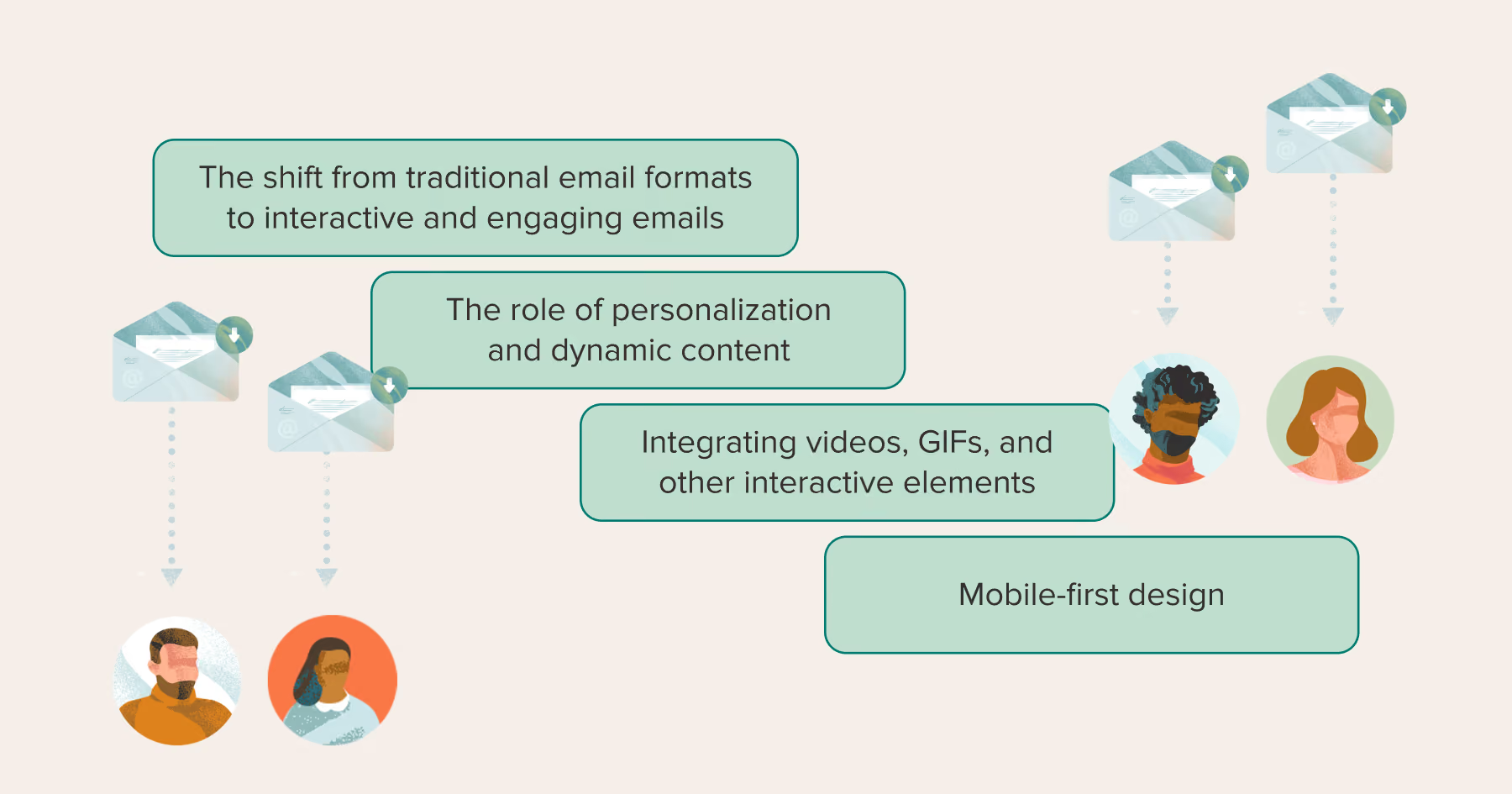
The shift from traditional email formats to interactive and engaging emails
Static text-heavy emails perform poorly with Gen Alpha audiences. This generation expects interactive elements, clickable features, and dynamic content that responds to their actions. Successful campaigns include polls, quizzes, product configurators, and gamified elements.
Gen Alpha consumers expect to interact with content rather than passively consume it. Brands that provide interactive email experiences see higher engagement rates and stronger brand connections.
The role of personalization and dynamic content
Gen Alpha expects emails that feel created specifically for them. Generic mass emails get deleted immediately. Successful campaigns use behavioral data, purchase history, and preference information to create highly personalized experiences.
Dynamic content that changes based on user behavior, location, or preferences creates the personalized experience Gen Alpha demands. This includes personalized product recommendations, location-specific content, and behavior-triggered messaging.
Integrating videos, GIFs, and other interactive elements
Visual content drives engagement with Gen Alpha audiences. Successful email campaigns incorporate videos that autoplay on open, animated GIFs that demonstrate products in action, and interactive elements that encourage exploration.
These visual elements need to load quickly and display properly across all devices. Gen Alpha consumers abandon emails quickly if visual elements don't work seamlessly. Technical execution becomes as important as creative content.
Mobile-first design
Gen Alpha consumes email content primarily on mobile devices. Successful campaigns are designed mobile-first, with desktop versions being secondary considerations. This means larger touch targets, simplified navigation, and content optimized for vertical scrolling.
Mobile-first design affects every aspect of email creation, from subject line length to image sizing to call-to-action placement. Emails that don't perform well on mobile devices fail to engage Gen Alpha audiences effectively.
Email marketing approaches for Gen Alpha
Developing effective email marketing strategies for Gen Alpha requires understanding their unique mindset and communication preferences.
Understand their mindset & influence
Gen Alpha consumers influence family purchasing decisions from an early age. Successful email campaigns recognize this influence and create content that appeals to both Gen Alpha consumers and their parents. This dual-audience approach requires careful balance between engaging young consumers while reassuring parents.
Understanding the family dynamic helps brands create campaigns that facilitate rather than complicate purchase decisions. Emails that educate parents while exciting Gen Alpha consumers perform better than those targeting only one audience.
Accept trend-driven content
Gen Alpha follows trends faster than previous generations. Successful email campaigns incorporate current trends, popular culture references, and timely content. This requires brands to stay current with Gen Alpha interests and adapt campaign content quickly.
Trend-driven content has shorter lifespans, requiring more frequent campaign updates and flexible content creation processes. Brands need systems that allow rapid content creation and deployment to stay relevant.
Maximize for interactivity
Interactive email elements engage Gen Alpha consumers more effectively than static content. Successful campaigns include clickable product galleries, embedded polls, mini-games, and other interactive features that encourage engagement.
Interactivity needs to serve a purpose outside of novelty. Gen Alpha consumers quickly identify and reject gimmicky interactive elements. Successful interactive features enhance the shopping experience or provide genuine value.
Craft content that speaks their language
Gen Alpha communicates differently from previous generations. They use more visual communication, shorter text blocks, and different vocabulary. Successful email campaigns adapt their tone, language, and communication style to match Gen Alpha preferences.
This includes using appropriate slang, cultural references, and communication patterns without appearing inauthentic. Brands need to research current Gen Alpha communication trends and adapt their messaging accordingly.
Segmenting by parental vs. youth-focused content
Effective Gen Alpha email campaigns segment audiences based on whether the content targets the young consumers directly or their parents. Youth-focused content emphasizes excitement, trends, and peer appeal. Parent-focused content emphasizes value, safety, and educational benefits.
This segmentation allows brands to create more targeted messaging that resonates with each audience segment. Cross-generational appeal requires different messaging strategies for maximum effectiveness.
Balancing educational, entertaining, and promotional tones
Gen Alpha consumers expect brands to educate and entertain them, instead of simply selling to them. Successful email campaigns balance promotional content with educational information and entertaining elements. Pure promotional content gets ignored or deleted.
The balance varies by industry and product type. Technology brands might emphasize education, entertainment brands focus on engagement, and fashion brands highlight trends and social proof.
Testing subject lines and emojis
Subject line testing becomes crucial for Gen Alpha audiences. This generation scans email subject lines and makes immediate decisions about engagement. Successful campaigns test different subject line lengths, emoji usage, and personalization approaches.
Emoji usage requires careful consideration. Gen Alpha uses emojis differently from previous generations, and inappropriate emoji usage can harm brand perception. Regular testing helps identify effective emoji strategies.
Timing and frequency of emails
Gen Alpha has different email consumption patterns than previous generations. They check email less frequently but expect immediate responses when they do engage. Successful campaigns optimize send times based on Gen Alpha behavior patterns rather than general population data.
Frequency preferences vary significantly within Gen Alpha segments. Some consumers prefer daily updates while others prefer weekly summaries. Advanced segmentation and preference management become essential for maintaining engagement.
Data privacy and parental consent
Marketing to Gen Alpha requires strict adherence to child privacy regulations and parental consent requirements. Successful campaigns implement robust age verification, parental consent processes, and data protection measures that exceed minimum legal requirements.
Privacy compliance becomes a competitive advantage when communicated transparently to parents. Brands that demonstrate commitment to child safety and data protection build stronger relationships with Gen Alpha families.
Conclusion
Email campaigns for Gen Alpha require fundamental changes in how e-commerce brands approach digital marketing. This generation expects personalized, interactive, and visually engaging experiences that feel native to their digital environment. Brands that adapt their email marketing campaign management strategies to meet these expectations will build lasting relationships with the consumers of tomorrow.
Success with Gen Alpha requires understanding their unique characteristics, communication preferences, and family dynamics. Interactive content, mobile-first design, and authentic messaging create the engagement this generation demands. The brands that invest in understanding Gen Alpha marketing trends today will have significant advantages as this generation matures.
Growth Gurus specializes in helping e-commerce brands navigate these generational shifts and create email marketing strategies that engage Gen Alpha consumers effectively. As an e-commerce email marketing agency, we understand the technical and creative requirements for reaching this important demographic. The future belongs to brands that start building relationships with Gen Alpha now, and Growth Gurus provides the expertise needed to succeed in this evolving landscape.
Recent Blog Post


Ready to grow your business?
If you want your business to experience more sales and faster growth, all you need to do is book a meeting with us today.