Email marketing for hair care brands: Strategies to boost retention

Email marketing gives hair care brands a powerful way to build lasting relationships beyond the first purchase. When used strategically, it can increase repeat purchases, strengthen customer loyalty, and turn one-time buyers into long-term advocates. This article explores why retention matters in the hair care industry and shares practical strategies that help brands stay relevant and connected with their audience.
.avif)
Email marketing tips to boost customer retention for hair care brands
The hair care industry is highly competitive because you are competing for attention in a market where consumers have endless options and short attention spans. In this environment, winning a customer once is impressive, but winning them back again and again is where real business growth happens.
Email marketing, especially when managed by an e-commerce email marketing agency, is one of the most reliable channels for doing exactly that. It gives hair care brands a direct line to their customers' inboxes, a space that feels personal and intentional in a way that other marketing avenues simply don’t. When done well, email builds the kind of trust that turns a one-time buyer into a loyal advocate who reorders and recommends your brand to their friends.
Why email marketing is key for the growth and success of hair care brands
Email marketing plays a critical role in the growth and long-term success of hair care brands because it builds direct, consistent communication with customers. For hair care brands, customer retention is essential because products are often used regularly and repurchased over time. Email marketing helps maintain engagement after the first sale by keeping customers informed about new products, personalized recommendations, hair care tips, and exclusive offers. This ongoing communication strengthens trust and positions the brand as part of the customer’s daily routine, rather than a one-time purchase.
Email marketing also supports education, which is highly valuable in the hair care industry. Many customers rely on guidance to understand how to use products correctly or build effective hair care routines. Through well-crafted email sequences, brands can provide tutorials, ingredient explanations, and regimen-building tips that improve customer satisfaction and results.
Overall, email marketing is a key driver of retention for hair care brands because it combines personalization, education, and consistent engagement. This helps brands stay connected with customers beyond the initial purchase, and encourages long-term loyalty and repeat sales.
Email marketing strategies to drive repeat business for hair care brands
Understanding the hair care customer journey
Before diving into tactics, you need to understand how your customers actually think and shop. Unlike some product categories, where people buy impulsively and rarely return, hair care has a naturally recurring purchase cycle: Shampoos run out, conditioners get used up, and styling products need restocking. Customers who discover something that works well for them will often continue using it for years.
But the discovery-to-loyalty path is rarely smooth. Many customers try a product, get decent results, and then get distracted by a competitor's ad or a trending recommendation, drifting away before they ever become truly loyal. This is the retention gap that email marketing is perfectly positioned to close.
Building a strong foundation: List growth and segmentation
No email strategy works without a quality list. Growing your subscriber base with the right people and organizing them into meaningful segments is the foundation on which everything else is built.
Growing your list the right way
Avoid the temptation to buy email lists or use aggressive tactics that attract low-quality subscribers. Instead, focus on organic growth strategies that bring in people who are genuinely interested in your products:
- Pop-ups with real value: Offer a discount, free sample, or personalized hair quiz in exchange for an email address. Make the value proposition clear and compelling.
- Post-purchase opt-ins: When someone buys from your site, invite them to subscribe for reorder reminders, exclusive deals, and hair care tips.
Segmenting for relevance
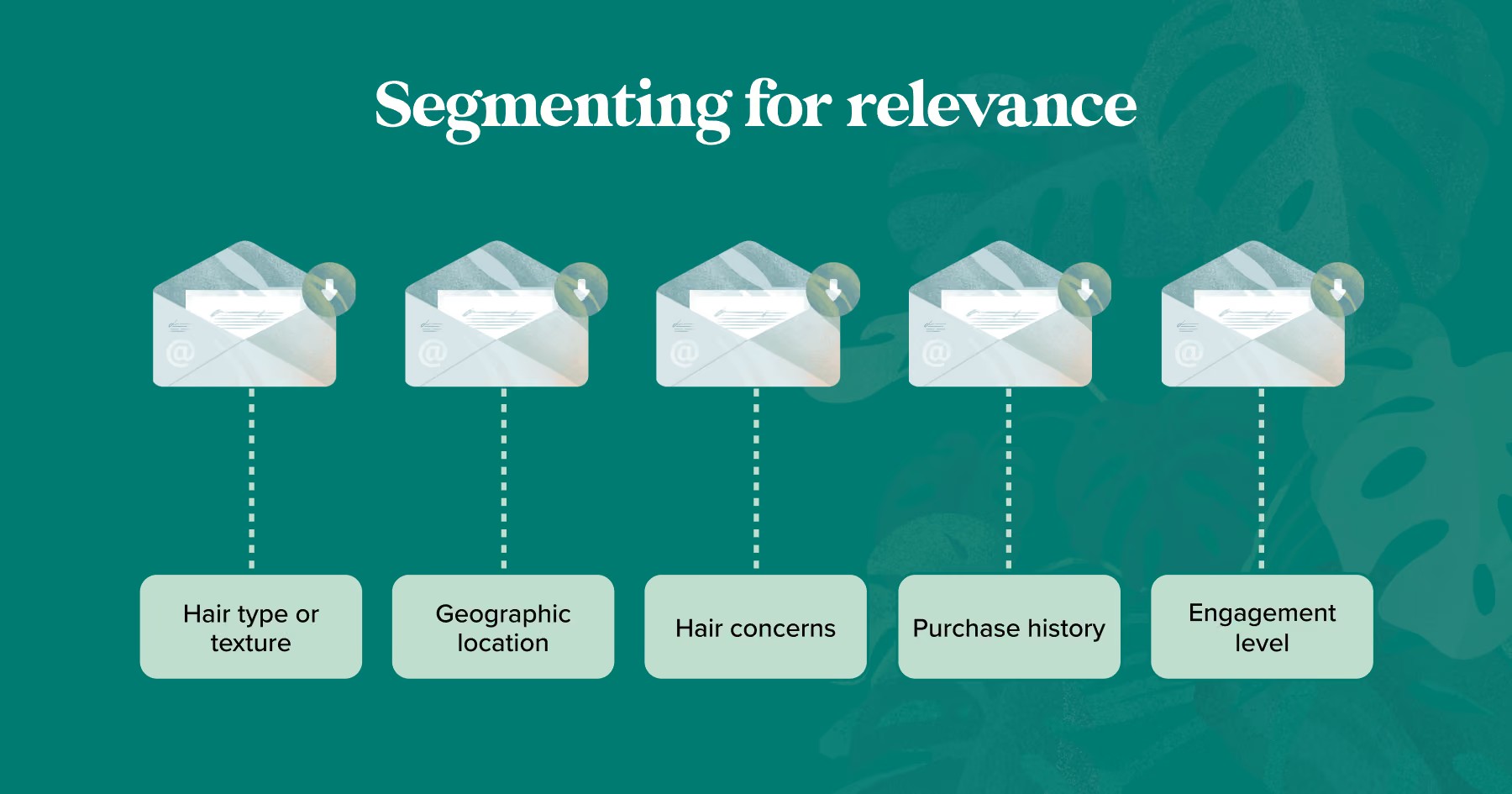
Segmentation is what separates generic email blasts from campaigns that actually convert. For hair care brands, meaningful segments might include:
- Hair type or texture (e.g., straight, wavy, curly, coily): Products that work for one type often do not work for others, so personalization is critical for conversion.
- Hair concerns (e.g., damage, dryness, scalp health, color-treated hair, thinning): Customers dealing with specific issues respond well to targeted education and product recommendations.
- Purchase history (e.g., first-time buyers, repeat customers, high-value customers, lapsed customers): Each group needs a different approach because of their varying levels of trust and interest in your brand.
- Engagement level (e.g., active openers vs. subscribers who have gone quiet): Using the same strategy across engaged and unengaged segments can lower open rates, wasting your marketing spend on subscribers who are no longer interested in your emails. These segments need a specialised approach to persuade them to open your emails again.
- Geographic location: Seasonal hair care needs vary significantly by climate and region, so take advantage of this through segmentation to deliver relevant and timely messages to your subscribers
When your hair product email marketing delivers the right message to the right audience, more people open your emails, fewer unsubscribe, and more end up buying.
The welcome series: Hair care’s most important automation
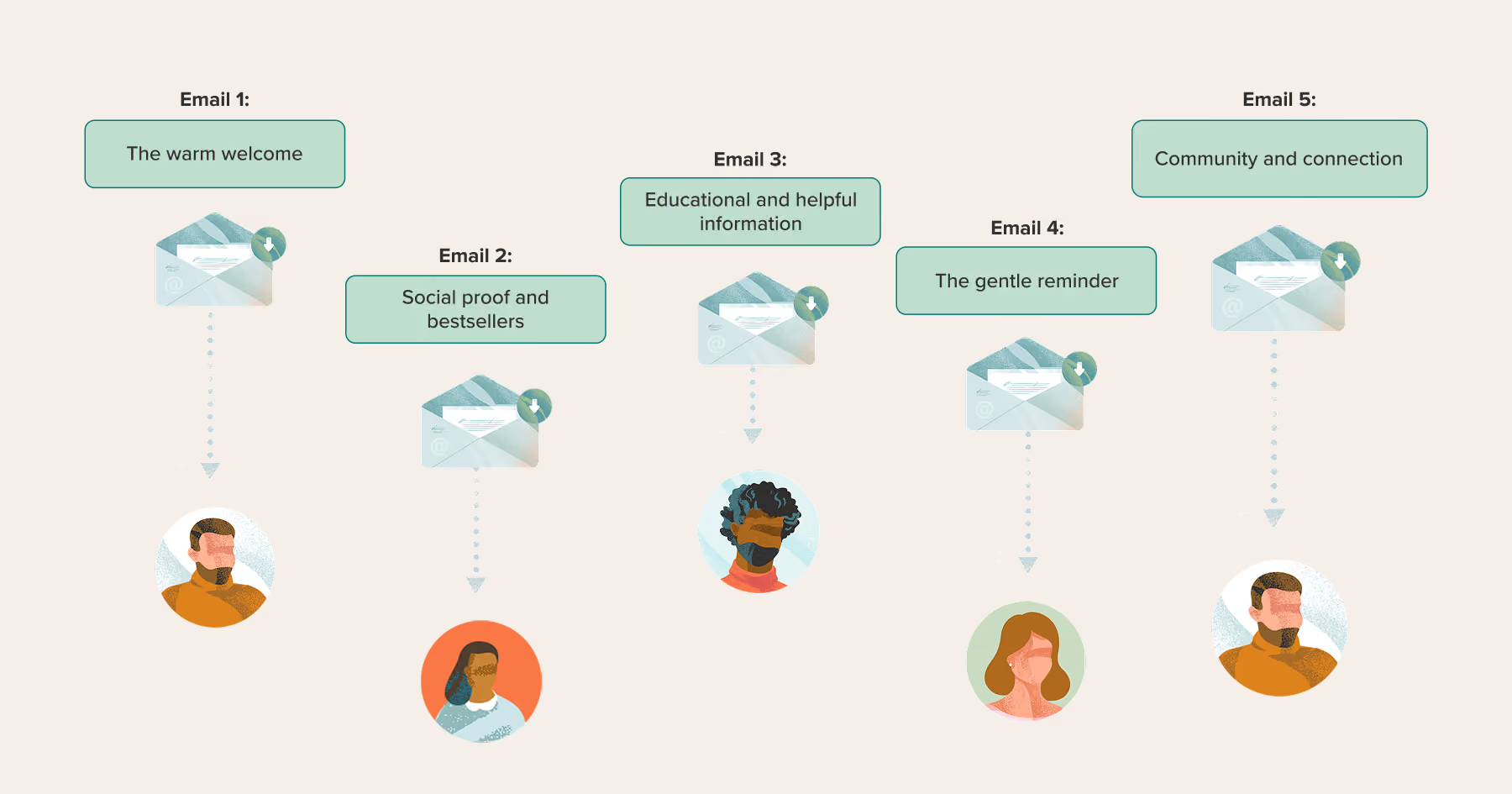
If you only set up one email automation for your hair care brand, make it a welcome series. This is the sequence new subscribers receive after signing up, and it sets the tone for your entire relationship with them. A well-crafted welcome series is essentially a condensed version of your entire email marketing strategy for hair products. It educates and builds trust while showcasing your products, moving people toward a first purchase or deeper engagement. A strategic welcome series for a hair care brand could look like the following:
Email 1: The warm welcome
Send immediately after signup, delivering what you promised (discount code, quiz results, free guide) and introducing your brand story. Keep it warm, human, and focused on your unique value proposition. What problem were you created to solve?
Email 2: Social proof and bestsellers
Send two to three days later, sharing your most loved products with real customer reviews, before-and-after photos, and ratings. Let your community do the talking to build trust in your brand.
Email 3: Educational and helpful information
Send five to seven days in to highlight your expertise. Offer genuinely helpful content, such as a guide to building a hair care routine for their specific hair type, tips for avoiding common mistakes, or an explainer on your hero ingredient. This builds trust in a way that promotional emails cannot.
Email 4: The gentle reminder
If they have not yet made a purchase, send a reminder around ten days after sign-up. Reintroduce the offer from Email 1 if it is still valid, or offer a different incentive while keeping the tone low-pressure.
Email 5: Community and connection
Encourage subscribers to stay engaged by replying to your emails, sharing their experience, or exploring your loyalty program. This helps build a stronger relationship directly through email.
Post-purchase emails: Turning buyers into repeat customers
The moments immediately after a purchase are very important for retention. Customers are excited, engaged, and paying attention. Most brands waste this window with generic "your order is confirmed" emails. Smart brands use it strategically. A post-purchase email sequence for a hair care brand should include:
Order confirmation
Confirm their order, but go further than the basics. Add a section that outlines usage tips and how to get the best results. Include a CTA that links to helpful follow-up resources from your site.
Shipping and delivery updates
Use these transactional touchpoints to remind customers why they made a great choice. A line like "Your scalp serum is on its way. Here is what to expect in the first two weeks" keeps excitement high.
How is it going? check-in
Seven to ten days after delivery is the ideal time to check in. Ask how the product is working, invite them to leave a review, and offer to help if they have questions; this helps to personalise your brand and develop customer loyalty and trust.
The replenishment reminder
Calculate the average usage rate for each product category and use this information to set up timed replenishment reminders. Well-timed "Running low?" emails sent two to three weeks before a customer is likely to run out have impressively high conversion rates.
The cross-sell
Once a customer has had a positive experience with one product, they will be more open and receptive to email marketing that encourages them to try others, so recommend complementary items based on what they purchased. If they bought a moisturizing shampoo, suggest the matching conditioner and leave-in treatment.
Product education emails: The secret weapon for hair care brands
Hair care is a category where education is one of your most powerful sales tools. Customers who understand how to use your products correctly get better results, which makes them more likely to reorder and recommend your brand to others. This is where email marketing strategies for hair products really come alive. Instead of constantly pushing products, use your email sends to teach:
- Ingredient deep dives: Explain why key ingredients are included in your formula and what they do for the hair. When customers understand the purpose behind the ingredients, they are more likely to trust the product.
- Routine building guides: Share step-by-step routines tailored to different hair needs, along with examples of effective routines that have delivered strong results for customers.
- How-to video features: Embed or link to tutorials showing exactly how to apply your products for maximum benefit.
- Ingredient pairing guides: Teach customers which of your products work well together.
Educational content builds authority, creates genuine value for the subscriber, and keeps them opening your emails, even when you are not selling anything. That goodwill pays off enormously when you do promote a product or launch something new.
Seasonal and event-based campaigns
Hair care has a wonderfully seasonal nature; humidity, cold, heat, UV exposure, and holiday styling all create timely, relevant reasons to reach out to your list. A well-planned seasonal calendar keeps your email program feeling fresh year-round.
Some of the most effective seasonal moments for hair care brands include:
- Spring and summer: Focus on protection from environmental factors and maintaining hair health during increased exposure to heat and outdoor elements.
- Fall and winter: Address dryness, scalp care, and the need for deeper nourishment and protective routines.
- Holiday season: Position products as thoughtful gifts by creating curated sets and guide-based email campaigns.
Beyond seasonal campaigns, keep an eye on cultural moments, trending topics, and viral hair care conversations.
Loyalty programs and VIP email campaigns
Loyal customers are significantly more valuable than new ones. Working with an experienced Klaviyo email marketing agency can help brands build high-performing loyalty automations and VIP segmentation flows that strengthen retention and increase overall customer lifetime value.
Research has shown that increasing customer retention rates by just 5% can increase profits by 25% to 95%. For hair care brands, keeping high-value customers engaged through email is one of the smartest investments you can make. A loyalty-focused email strategy might include:
- Points and rewards updates: If you have a loyalty program, send regular emails reminding customers of their points balance and what they can redeem, consistently driving purchases.
- Early access campaigns: Give loyal customers first access to new launches before the general public, making them feel valued and creating a sense of exclusivity.
- VIP-only offers: Segment your top customers and treat them to perks that the general list does not receive. A private sale, a free sample with their next order, or a personal thank-you note can deepen loyalty enormously.
- Anniversary emails: Celebrate the anniversary of a customer's first purchase with a special message and personalized offer. This kind of thoughtful touchpoint is rare and memorable.
- Birthday treats: A birthday email with a discount or gift is a small gesture that creates real goodwill.
The goal is to make your most loyal customers feel seen and appreciated, which keeps them from ever seriously considering switching to a competitor.
Winback campaigns: Re-engaging lapsed customers
Even with the best retention strategy, some customers will go quiet; their life gets busy, their routines change, or they simply forget about you. Winback campaigns are designed to bring these lapsed subscribers back to interacting with your emails and brand. A strong winback sequence for a hair care brand typically includes:
Email 1: “We miss you” email
Keep this warm and human by acknowledging that it has been a while and reminding them what they loved about your brand. Include a special offer to sweeten the return.
Email 2: Social proof refresh
If they did not engage with the first email, send new customer reviews and testimonials as social proof that your products are worth their time and money. If anything has changed since they last purchased (new formula, better packaging, expanded range), highlight it here.
Email 3: The last chance
Make it clear that this is your final attempt to reconnect. Include your strongest offer and a genuine CTA. Something like "We would love to have you back" feels more human than a generic "Do not miss out.”
Email design best practices for hair care brands
In a category as visual as hair care, your emails need to look as good as your products make people's hair look. Design choices directly impact whether subscribers engage or scroll past.
- Mobile-first design: The majority of emails are opened on mobile devices, so design for small screens first, then adapt for desktop.
- High-quality photography: Invest in beautiful product and lifestyle photography. Images showing real hair results perform especially well because the subscriber can picture themselves getting similar results.
- Brand consistency: Make your email templates feel like a natural extension of your website by using your brand colors, fonts, and voice consistently.
- Clean, readable layouts: Avoid cluttering your emails with too many products or messages. One primary CTA per email is a good rule to follow.
- Accessible design: Use sufficient contrast between text and backgrounds, alt text on images, and legible font sizes. Accessibility is both ethical and practical, since many email clients block images by default.
Measuring success: Key metrics for hair care email marketing
Tracking the right metrics tells you what is working, what needs attention, and where your biggest opportunities lie. The metrics that matter most for email marketing strategies for hair care products include:
- Open rate: How many subscribers are opening your emails? In the beauty and personal care industry, strong email open rates are typically above 38.4%.
- Click-through rate (CTR): The percentage of openers who click on your CTA, reflecting how compelling your email content is.
- Conversion rate: The percentage of email recipients who complete a purchase, and the ultimate measure of email revenue impact.
- Revenue per email: Total revenue generated divided by emails sent. A powerful metric for understanding which campaigns and segments drive the most value.
- List growth rate: How quickly your list is growing (net of unsubscribes).
- Unsubscribe rate: High unsubscribe rates can signal that your content is not resonating or that you are emailing too frequently.
- Customer lifetime value (CLV) by segment: Tracking how email engagement correlates with CLV reveals which strategies are truly paying off in the long term.
Review these metrics regularly (at least monthly) and use them to guide your testing and optimization efforts.
Final thoughts on email marketing strategies for hair care brands
Successful email marketing for hair care brands is built on relevance, personalization, and long-term customer value. When emails are segmented and tailored to hair types, concerns, and customer behavior, they turn into helpful guidance that builds trust. By combining educational content, seasonal campaigns, automated flows, and loyalty-driven messaging, brands can significantly improve engagement and encourage repeat purchases.
For businesses looking to scale their email marketing performance and retention strategy, expert support can make a significant difference. Growth Gurus helps brands design and execute data-driven email marketing strategies that improve engagement, retention, and revenue growth. With a strong focus on segmentation, automation, and conversion optimization, Growth Gurus supports brands in building meaningful customer relationships that last.
Frequently asked questions
What are some email marketing strategies for hair care products?

Use audience segmentation, personalized product recommendations, and welcome email series to engage new subscribers. Combine this with educational content, seasonal campaigns, and loyalty offers to build trust and encourage repeat purchases.
What is the role of a Klaviyo email marketing agency in scaling email marketing?
A Klaviyo email marketing agency helps brands set up advanced automation, segmentation, and data-driven campaigns that improve retention, increase repeat purchases, and maximize customer lifetime value through optimized email flows.
What is the best way to personalize emails for different hair types?
Collect hair type and concern data during signup or through quizzes. Use segmentation and dynamic content to send tailored product recommendations and tips based on each hair type.
What types of emails generate the most revenue for hair care brands?
Post-purchase emails, replenishment reminders, loyalty offers, and welcome series tend to drive the highest revenue, along with launches and limited-time promotions.
How important is mobile optimization for hair care email campaigns?
Very important, as most emails are opened on mobile. Use mobile-friendly layouts, clear CTAs, and short subject lines for better performance.
Can small hair care brands compete with large ones through email marketing?
Yes, because email marketing allows small brands to build strong customer relationships through personalization, authenticity, and targeted messaging.
Recent Blog Post


Ready to grow your business?
If you want your business to experience more sales and faster growth, all you need to do is book a meeting with us today.