How to write price increase emails that build trust and retain customers

Price increases are an inevitable part of business growth, yet they remain one of the most challenging communications to handle effectively. The key is to craft messages that acknowledge the change while highlighting the value customers continue to receive. A well-executed price increase email can strengthen loyalty by showing transparency and thoughtful business practices. This comprehensive blog provides guidance on how to create price increase emails that build trust and retain customers

How to announce a price increase without losing customer trust
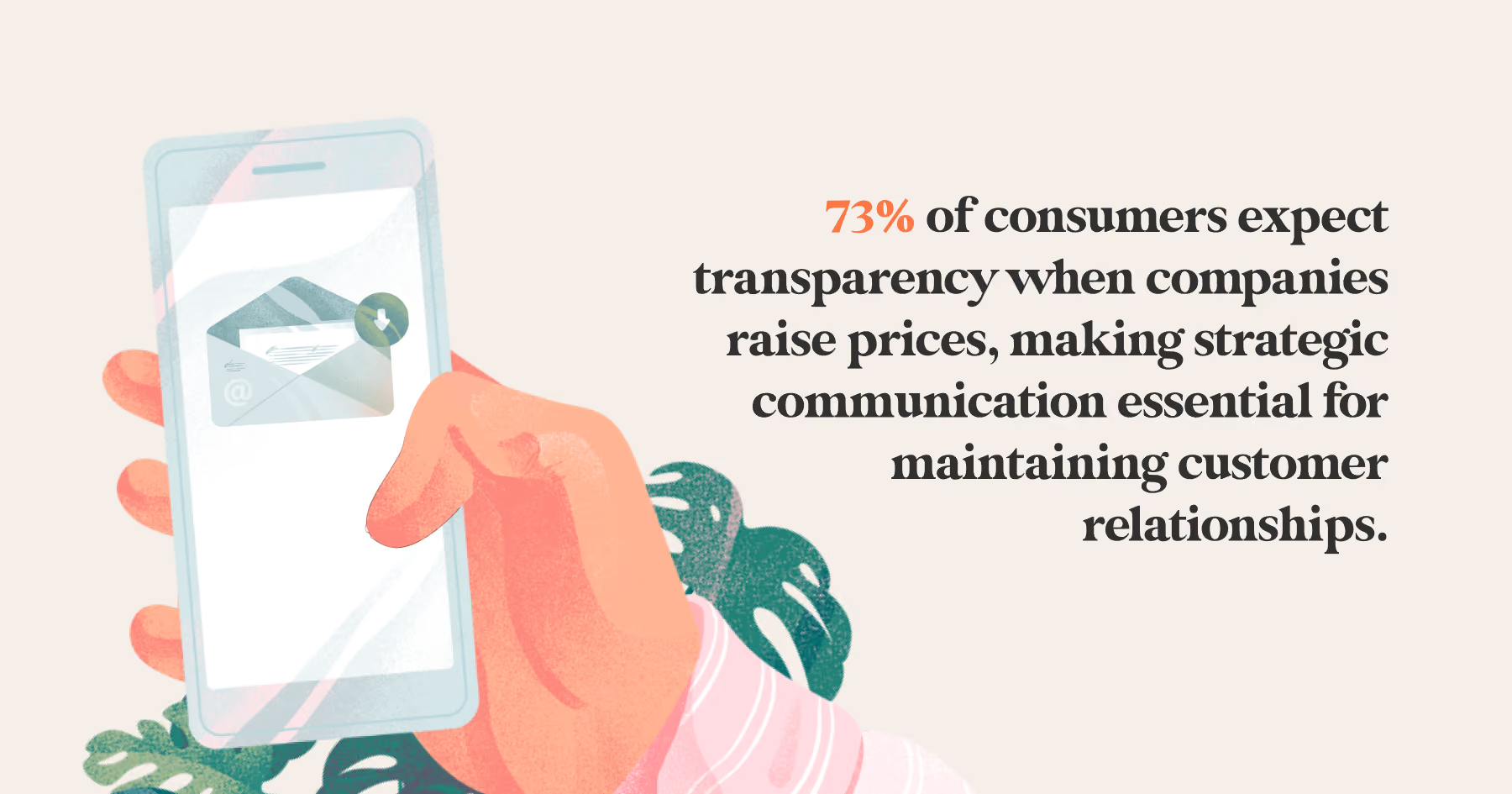
Announcing a price increase feels like walking a tightrope between business necessity and customer satisfaction. The difference between losing customers and retaining them often comes down to how you frame the conversation. When customers feel blindsided by sudden price changes, trust erodes quickly, which can devastate your business. However, when handled with transparency and strategic timing, these communications can demonstrate your commitment to quality and sustainable business practices. Research shows that 73% of consumers expect transparency when companies raise prices, making strategic communication essential for maintaining customer relationships.
At Growth Gurus, we understand that effective email marketing campaign management requires balance, especially when delivering sensitive information like pricing changes. Our experience working with brands across various industries has shown us that the most successful price increase campaigns focus on value reinforcement rather than justification.
What is a price increase email?
A price increase email is a direct communication sent to customers informing them about upcoming changes to product or service pricing. These emails serve as formal notifications that prepare customers for cost adjustments while providing context about the reasons behind the change. Unlike promotional emails that aim to drive immediate sales, price increase emails focus on maintaining relationships and ensuring customers understand the value they continue to receive.
A well-crafted price increase email acknowledges the impact on customers while positioning the change as necessary for continued quality and service improvements. Industry data indicates that companies sending price increase notifications see 21% less customer churn compared to those implementing changes without prior communication.
What are the main reasons behind price increases?
Understanding the reasons behind price increases helps frame your communication effectively. Customer acceptance increases significantly when they understand the business rationale for pricing adjustments. The most common and defensible reasons fall into three primary categories that customers can relate to and understand.
Product improvements
New features, upgraded technology, and improved user experiences often drive price increases. When you've invested in research and development to create better products, customers typically understand the value exchange. For example, software companies frequently increase prices after launching new features or improving performance metrics. The key is clearly articulating how these improvements benefit the customer directly.
Studies show that 68% of customers accept price increases when they're directly tied to product enhancements they can experience. They're even more likely to accept the change when companies share specific examples of what’s better, instead of using vague upgrade statements.
Inflation and rising production costs
External economic factors create unavoidable cost pressures that businesses must address to remain viable. Raw material costs, supply chain disruptions, and general inflation affect every industry, making these increases relatable to customers facing similar pressures in their personal lives. The key is presenting these factors as industry-wide challenges rather than company-specific problems.
Many businesses across all sectors have often implemented price increases due to inflation and supply chain pressures. Customers generally understand these market realities when presented with clear, factual information about external cost pressures.
When to send a price increase email
Timing plays a crucial role in how customers receive and respond to price increase notifications. The timing strategy should balance giving customers adequate notice while avoiding prolonged uncertainty that might accelerate churn. Industry best practices suggest specific timeframes based on your business model and customer relationships.
Ideal timing before implementation
Most successful price increase campaigns notify customers 30 to 60 days before implementation. This timeframe provides sufficient notice while preventing extended periods of customer anxiety about upcoming changes. For subscription-based businesses, aligning notifications with billing cycles creates natural transition points that feel less disruptive.
Research from leading e-commerce email marketing agency studies indicates that a 30-day advance notice optimizes customer retention while providing adequate time for internal preparation. Shorter notice periods increase customer frustration, while longer periods may create unnecessary anxiety and premature cancellations.
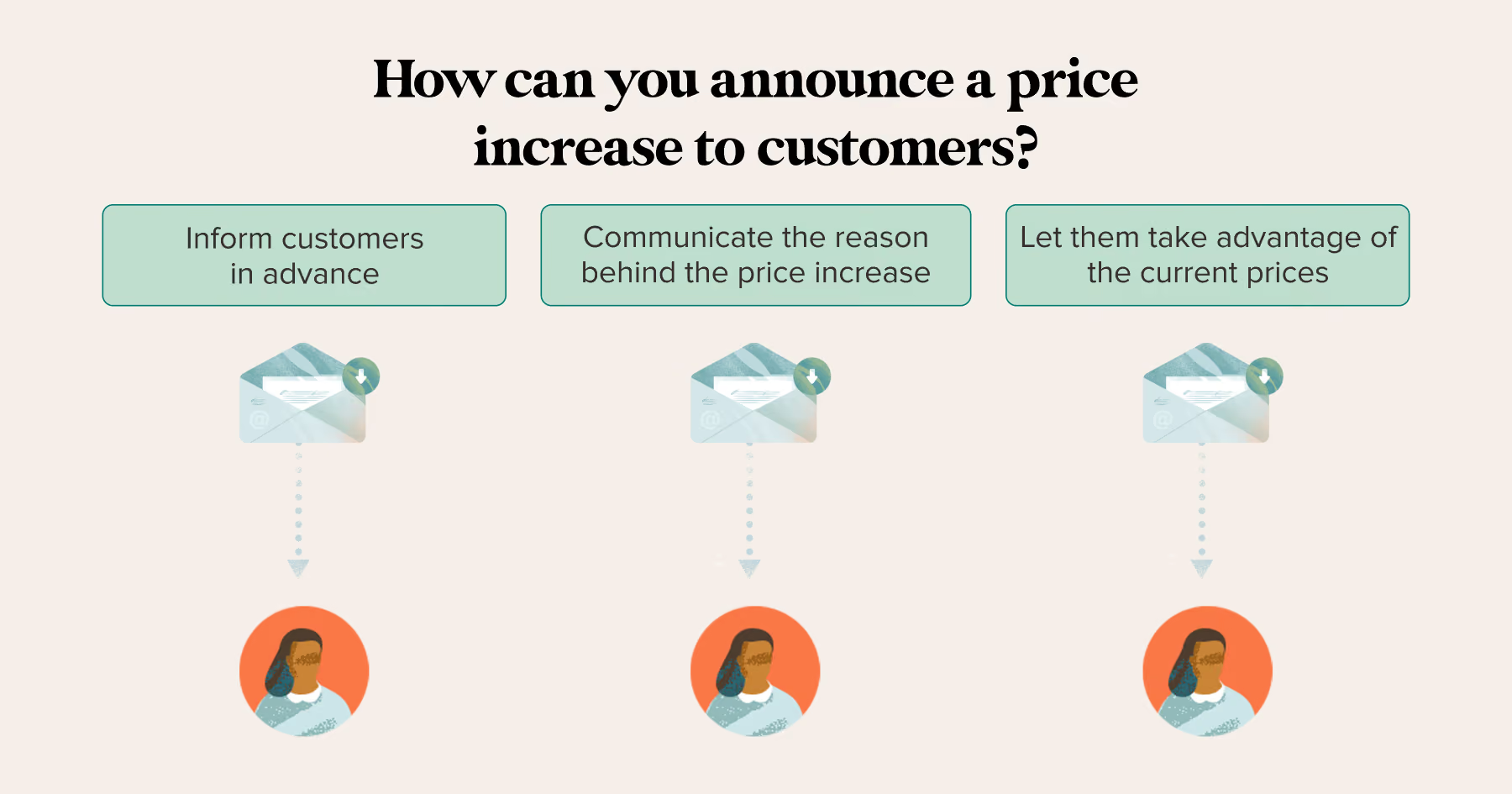
How can you announce a price increase to customers?
The approach you take when announcing price increases determines customer response and retention rates. Successful announcements combine strategic timing with clear communication that emphasizes ongoing value while acknowledging the change. The most effective strategies address customer concerns proactively while maintaining positive relationships.
Inform customers in advance
Advance notification demonstrates respect for customer relationships and provides time for budget adjustments. The price increase announcement to customers should arrive with sufficient lead time to prevent feelings of surprise or manipulation. Early communication allows customers to process the information and make informed decisions about their continued relationship with your brand.
Effective advance notification includes specific implementation dates, clear pricing information, and contact details for questions. This transparency builds trust and reduces customer service burden by addressing common questions proactively.
Communicate the reason behind the price increase
Customers appreciate honesty about why prices are increasing, especially when the reasons align with their interests. The most effective price increase email to customer communications explains the business rationale in terms that customers can understand and relate to. Whether driven by product improvements, cost pressures, or business growth, the explanation should focus on customer benefits rather than company needs.
Effective explanations avoid detailed financial information while providing sufficient context for customer understanding. Focus on how the price increase enables continued quality, improved service, or enhanced features that benefit customers directly. This approach helps customers view the increase as an investment in their continued satisfaction rather than a burden.
Let them take advantage of the current prices
Offering customers the opportunity to renew or purchase at current prices creates a sense of urgency while demonstrating consideration for their financial planning. This approach works particularly well for subscription services and annual contracts, where customers can lock in existing rates for extended periods. When implemented through strategic Klaviyo email marketing campaigns, these limited-time offers can increase revenue while maintaining customer relationships.
The key elements of a proper price increase announcement
Clear announcement and date
Your email should immediately and clearly state that prices are changing and when the changes take effect. Avoid burying this information in lengthy explanations or softening the message to the point of confusion. Customers appreciate directness and clarity when it comes to pricing information. Include specific dates, clearly formatted pricing tables if applicable, and explicit statements about what's changing. This transparency eliminates confusion and demonstrates professionalism. Many customers will scan your email, so making the key information easily findable serves everyone's interests.
Last chance offer
Creating urgency through limited-time offers encourages immediate action while providing additional value. This might include honoring current prices for customers who upgrade their plans, extend their contracts, or make bulk purchases before the increase takes effect. These offers serve dual purposes: they generate immediate revenue and give customers a reason to feel positive about your communication. The key is making the offer genuinely valuable while maintaining clear boundaries about when the current pricing expires.
Reason for the increase
Providing context for your pricing decision helps customers understand and accept the changes. This explanation should be honest, specific, and relatable without being overly detailed or defensive. Focus on positive reasons like product improvements or business growth rather than dwelling on negative factors like increased costs. When external factors like inflation are involved, acknowledge these broader economic pressures that customers likely understand from their own experiences. The goal is to help customers see your price increase as a reasonable business decision rather than an arbitrary profit grab.
Value reinforcement
Remind customers of the value they receive from your products or services. This isn't the time for a hard sell, but rather a thoughtful reminder of the benefits that justify your pricing. Highlight recent improvements, upcoming features, or consistent value delivery that supports the new pricing structure. Use specific examples and measurable benefits when possible. Customers who are reminded of the value they receive are more likely to accept price increases, especially when you can demonstrate ongoing improvements or consistent service quality.
Customer appreciation
Acknowledging your customers' loyalty and importance to your business creates goodwill during a potentially difficult conversation. Express genuine gratitude for their continued business and partnership. This appreciation should feel authentic rather than formulaic. Mention specific ways customers have contributed to your success or how their feedback has influenced product improvements. This personal touch helps maintain the relationship aspect of your business communication.
Options and support
Provide customers with clear next steps and support options. This might include different pricing tiers, alternative service levels, or contact information for questions and concerns. Make it easy for customers to understand their options and get help if needed. Some businesses offer consultation calls for customers concerned about the price increase, while others provide detailed FAQ sections addressing common questions. The goal is to ensure customers feel supported through the transition rather than abandoned with new pricing information.
Copywriting tips to maintain customer trust
The language and tone you use in price increase emails significantly impact how customers receive and respond to your message. Strategic copywriting can transform a potentially negative communication into a trust-building opportunity.
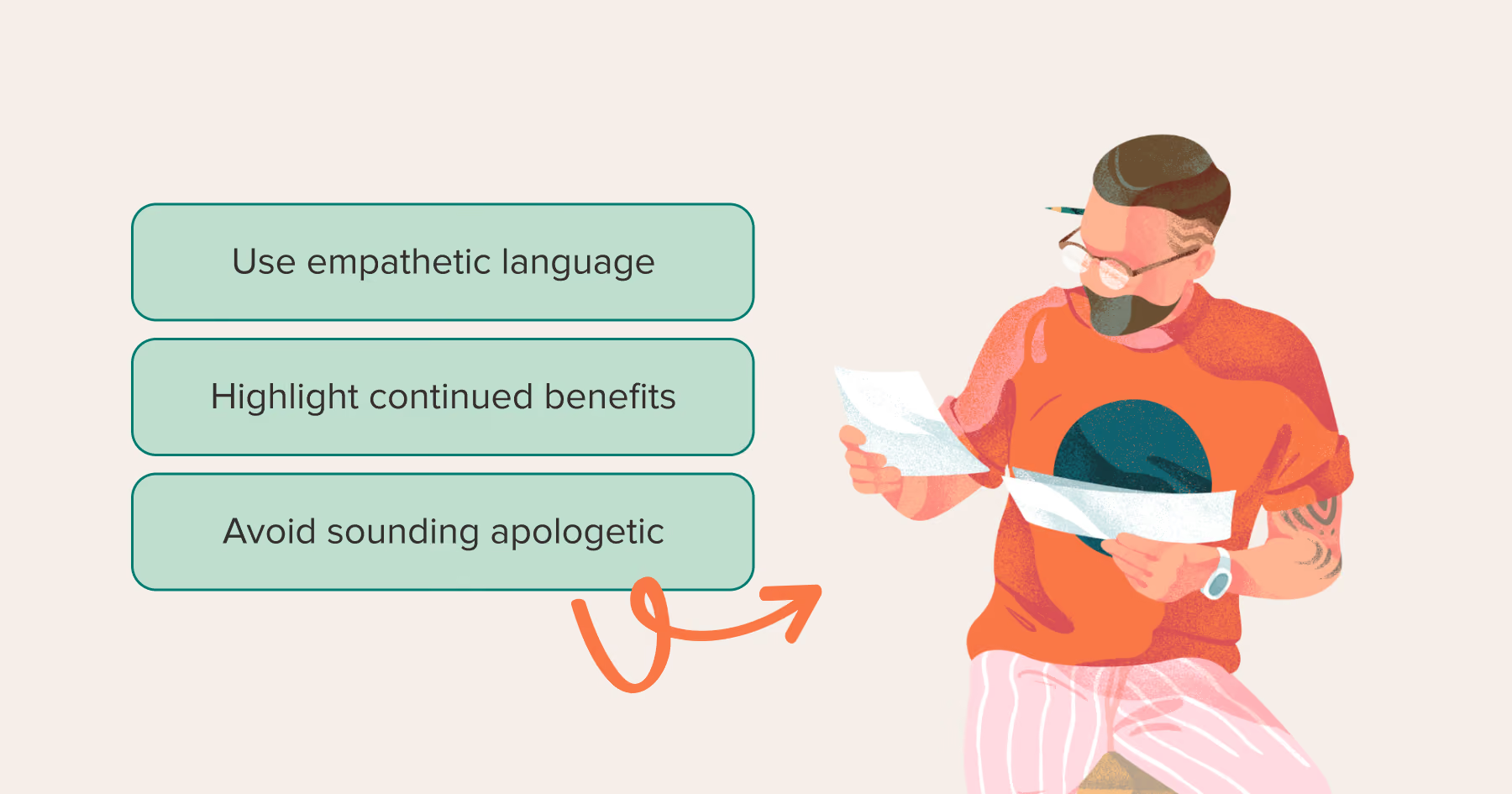
Use empathetic language
Acknowledge that price increases can be challenging for customers while maintaining confidence in your decision. Empathetic language shows you understand the customer's perspective without apologizing for necessary business decisions. Phrases like "we understand this affects your budget" or "we recognize this represents a change in your costs" demonstrate awareness without excessive apologizing. The key is striking a balance between understanding their position and maintaining confidence in your pricing decision. Empathy should feel genuine rather than scripted, showing that you've considered the customer impact of your pricing changes.
Highlight continued benefits
Focus on the ongoing value customers receive, instead of just the price increase. This might include reliability, product features, or exclusive benefits that justify your pricing. Use specific examples and measurable benefits when possible. It will help customers understand what they're paying for. The goal is shifting the conversation from cost to value, helping customers see your pricing as an investment in continued benefits rather than simply an additional expense.
Avoid sounding apologetic
While empathy is important, excessive apologizing can undermine confidence in your business decisions and suggest that the price increase is unreasonable. Professional, confident communication that acknowledges the change without over-apologizing demonstrates business maturity and decision-making confidence.
The most effective price increase email subject line conveys information clearly without suggesting shame or regret about the decision. Subject lines like "Important pricing update" or "Changes to your service pricing" maintain professionalism while ensuring the email gets opened and read.
How to minimize pushback and retain customers
Proactive strategies can significantly reduce customer churn and negative reactions to price increases. These approaches demonstrate your commitment to customer success while maintaining necessary pricing changes.
Offer loyalty pricing or grandfathering
Rewarding long-term customers with special pricing considerations acknowledges their loyalty while easing the transition to new pricing structures. This might involve maintaining current pricing for existing customers for a specified period, offering permanent discounts for customers who've been with you for certain timeframes, or creating tiered loyalty pricing based on relationship length. These strategies show customers that their loyalty has real value and encourage continued relationships.
Encourage two-way communication
Invite customers to discuss their concerns or questions about the price increase. This might involve feedback surveys or one-on-one consultation calls for major accounts. Open communication channels demonstrate your commitment to customer relationships and provide opportunities to address concerns before they lead to cancellations. Many customers simply want to feel heard and valued during pricing transitions. By creating spaces for dialogue, you can often resolve concerns and maintain relationships that might otherwise be lost. Additionally, customer feedback during these conversations can provide valuable insights for future pricing decisions and communication strategies.
Conclusion
Writing effective price increase emails requires balancing honesty, empathy, and strategic communication to maintain customer trust while achieving business objectives. The most successful approaches combine clear communication about pricing changes with genuine appreciation for customer relationships and concrete demonstrations of continued value. Companies that provide adequate notice, explain their reasoning transparently, and offer meaningful support during transitions typically retain the majority of their customer base through price increases.
Growth Gurus understands that email marketing and strategic communication can transform challenging business conversations into relationship-strengthening opportunities. As a leading ecommerce email marketing agency, we've helped countless brands navigate price increases while maintaining customer loyalty and trust. The key lies in treating these communications as opportunities to demonstrate your commitment to customer success rather than simply delivering bad news.
Ready to create price increase emails that build trust and retain customers? Contact us today and navigate pricing changes successfully while maintaining the loyalty and trust you've worked hard to build.
Recent Blog Post


Ready to grow your business?
If you want your business to experience more sales and faster growth, all you need to do is book a meeting with us today.