The do's and don'ts of email marketing in regulated industries

Email marketing in regulated industries can either kill your growth or become your biggest revenue driver. The difference comes down to understanding your audience's mindset and building campaigns that earn trust while driving sales.
.avif)
What to do and avoid in email marketing for regulated industries
Email marketing for regulated e-commerce brands requires precision and responsibility. It is one of the most effective channels for customer engagement, but the rules are strict. Success comes from building trust, protecting consumer data, and ensuring compliance at every stage. For brands in sensitive categories, the line between effective communication and risky outreach is thin, so clarity and strategy are essential.
Why regulated e-commerce brands face challenges with email marketing
Regulated ecommerce brands often find email marketing difficult to execute effectively. Strict industry guidelines and the pressure to remain compliant can make teams overly cautious, leaving campaigns underwhelming or incomplete. Instead of driving trust and revenue, the result is often missed opportunities.
Some of the most common challenges include:
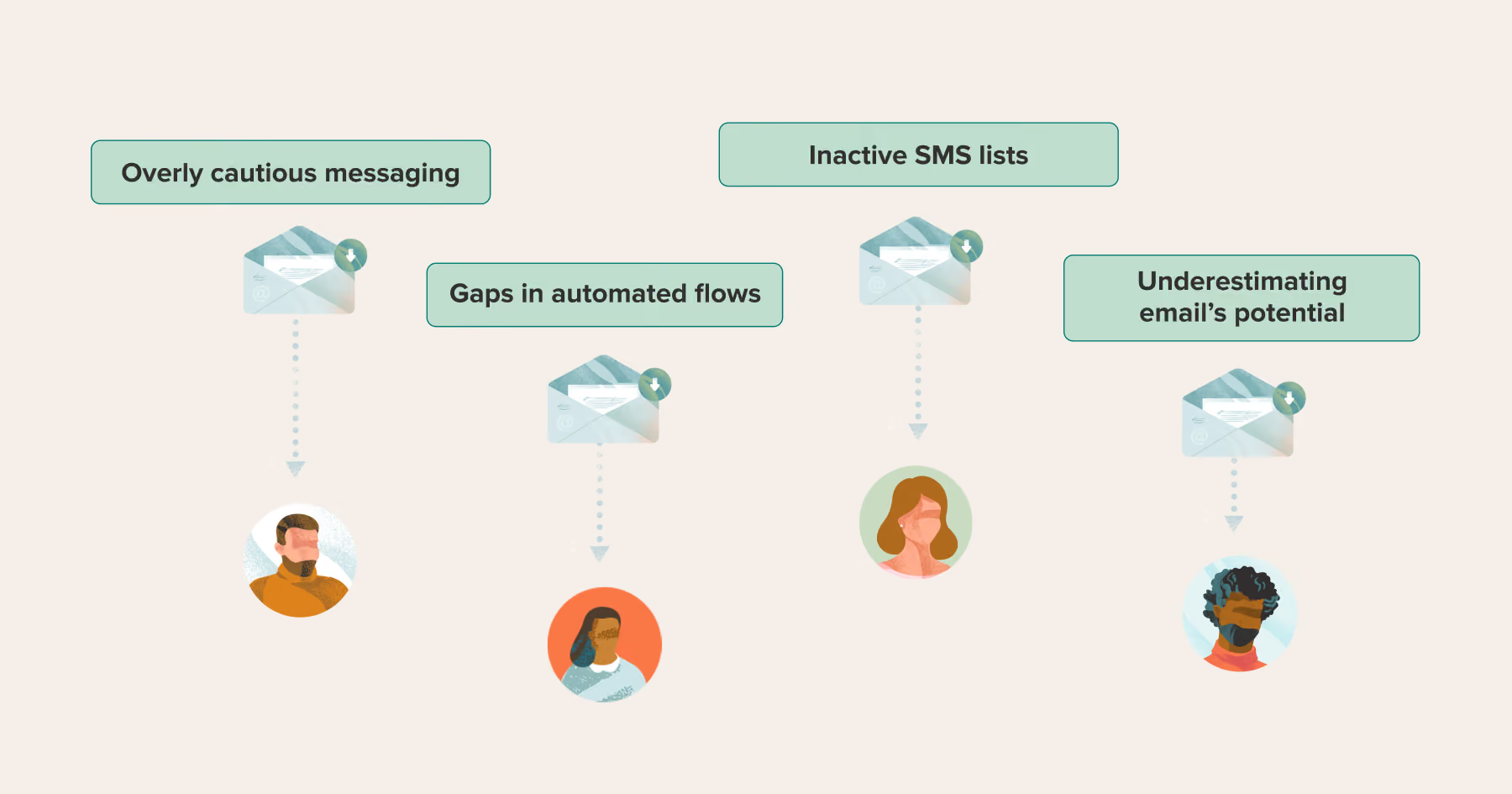
- Overly cautious messaging that weakens the offer and fails to inspire action.
- Gaps in automated flows, such as missing win-back, replenishment, or post-purchase sequences.
- Inactive SMS lists, wherein contacts are collected but never activated, limiting reach.
- Underestimating email’s potential when crafted for audiences who value transparency and integrity.
It’s not that customers are ignoring your brand, they simply aren’t hearing messages that speak their language. With the right email marketing campaign management, even regulated industries can turn these barriers into opportunities for deeper trust and stronger engagement.
The Strategic Shift That Changed Everything
Lifecycle email flows designed for trust and relevance
Effective lifecycle email flows in regulated industries prioritize education and relationship building over immediate sales.
The welcome series focuses on providing valuable resources, educational content, and setting proper expectations about the brand's communication style. These flows introduce compliance information naturally while highlighting the brand's commitment to customer safety and transparency.
Post-purchase flows emphasize proper product usage, safety information, and ongoing support rather than immediate upsell attempts. This approach reduces customer service inquiries while building confidence in the brand's expertise. Educational content in these flows often performs better than promotional content in terms of engagement and long-term customer retention.
Reactivation campaigns for regulated brands focus on providing value through new educational resources or industry updates rather than discount-driven messaging. This strategy respects the customer's decision-making process while maintaining brand visibility for when they're ready to engage again.
An intelligent SMS pilot that accelerated growth
The brand had been gathering phone numbers during checkout, but never put them to use. To tap into that potential, launch a small SMS campaign with well-timed messages to spark urgency and reinforce email efforts.
The results were immediate. Even with a limited list, SMS contributed 6.2% of total monthly revenue and quickly became a reliable way to reach customers during promotions and quieter shopping periods.
A campaign strategy that outperformed seasonality
Regulated ecommerce brands that successfully navigate seasonal marketing focus on educational themes tied to seasonal health concerns. Instead of generic holiday promotions, these campaigns address specific customer pain points that naturally align with seasonal patterns.
For example, wellness brands might create educational campaigns about immune support during the cold season. These approaches feel helpful rather than promotional while driving relevant product interest.
The most effective seasonal campaigns in regulated industries start educational conversations weeks before promotional periods. This strategy builds trust and positions the brand as a helpful resource before introducing specific product solutions.
Effective tips you can try right now
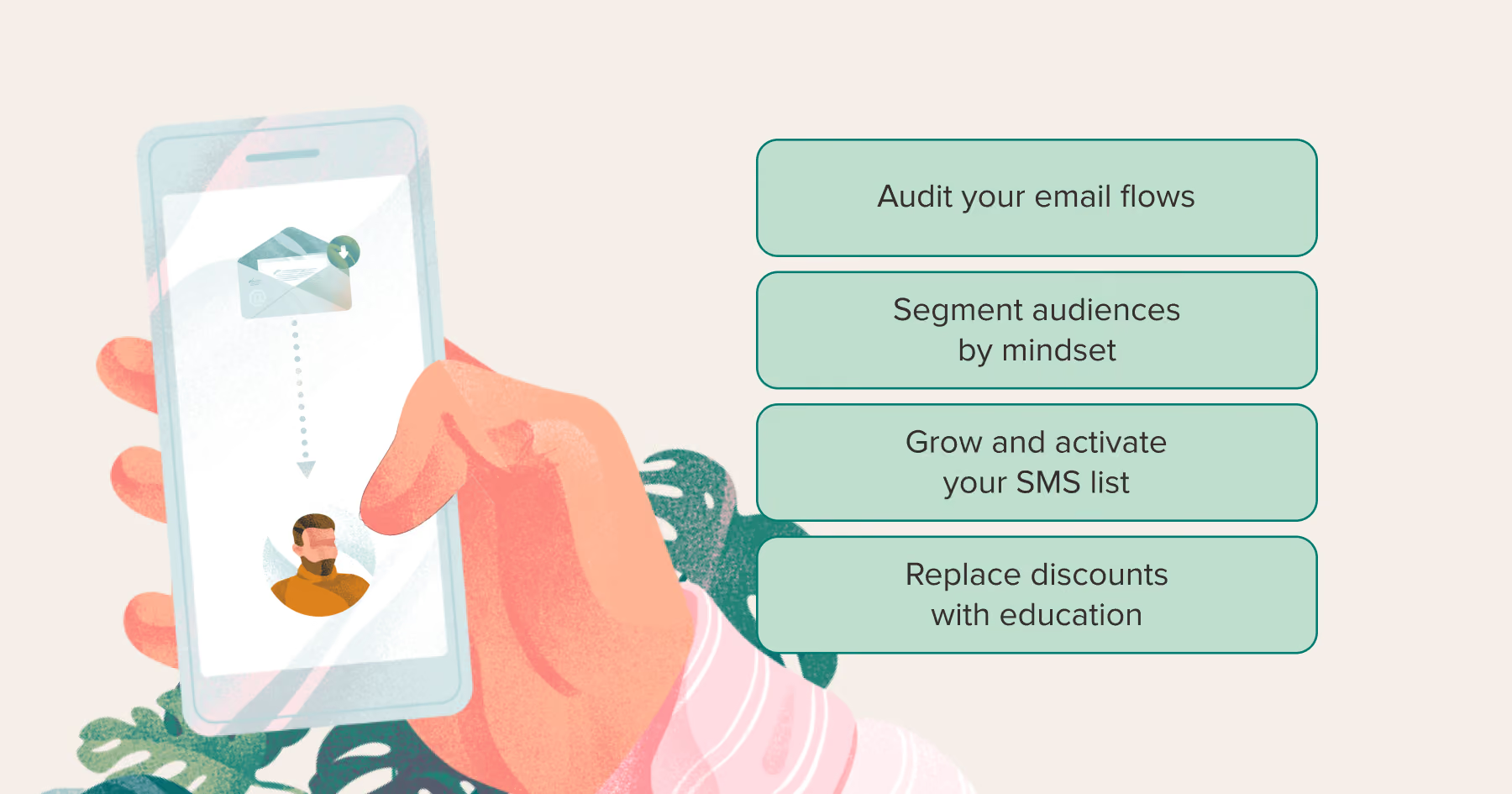
Audit your email flows
Think of your email flows as the backbone of your customer communication. Every touchpoint, from the welcome series to win-back campaigns, needs to be intentional, compliant, and revenue-focused. Many regulated e-commerce brands skip crucial flows like replenishment reminders or post-purchase education, leaving buyers without direction and revenue on the table.
A proper audit should ask:
- Does each flow respect consent and compliance laws?
- Is every message delivering real value?
- Are you nurturing long-term trust while driving conversions?
Regular reviews ensure that your flows meet regulations while keeping customers engaged at every stage of their journey.
Segment audiences by mindset
Segmentation is where regulated brands can either get it right or miss out. Looking at demographics alone isn’t enough. To connect with buyers in sensitive categories, you need to understand the reason they’re engaging.
Think about it this way:
- A first-time visitor usually needs clarity and reassurance.
- A repeat customer may want more in-depth information or advanced insights.
- Someone who hasn’t engaged in a while might respond better to a reactivation campaign that offers support or practical guidance.
When your messaging lines up with intent, you avoid the “one-size-fits-all” approach that feels irrelevant. This level of precision improves conversions and builds credibility with an audience that cares about accuracy and trust.
Grow and activate your SMS list
Most regulated e-commerce brands collect phone numbers but never use them effectively, and that’s a missed opportunity. When done with proper compliance, SMS can be one of the fastest ways to drive action.
Here are a few easy ways to start
- Send compliant restock alerts to let customers know when products are available.
- Follow up purchases with simple tips or guidance via SMS.
- Time messages around key moments like replenishment cycles, so they feel helpful rather than pushy.
Activating your SMS list gives you another trusted channel that complements email and contributes to stronger overall revenue.
Replace discounts with education
In regulated industries, customers choose brands they trust. That’s why relying too heavily on discounts can hurt long-term value. Education, on the other hand, builds loyalty.
Instead of cutting prices, focus on content that:
- Explains how your products are sourced or manufactured.
- Shares usage guidelines that align with compliance.
- Provides insights into industry trends or safe practices.
When buyers feel confident in your expertise, they’re more likely to stay loyal. Trust converts better than short-term discounts and keeps your brand positioned as a credible leader.
Common mistakes that put campaigns at risk
Sending emails without explicit opt-in from subscribers
Many regulated brands make the costly mistake of assuming implied consent for email communications. Simply having a customer relationship doesn't automatically grant permission for marketing emails. Each communication type requires specific consent, and customers must clearly understand what they're agreeing to receive.
Including claims that can't be backed up with evidence
Regulated industries face severe penalties for unsubstantiated claims in marketing communications. Every statement about product benefits, customer results, or industry expertise must be supported by verifiable evidence. This includes testimonials, case studies, and statistical claims that appear in email campaigns.
Failing to process unsubscribe requests promptly
Regulatory requirements typically mandate unsubscribe processing within 10 business days, but industry best practices recommend immediate processing when possible. Delayed unsubscribe processing creates customer frustration and increases spam complaint rates, which can damage sender reputation and deliverability.
Storing or sharing sensitive customer information carelessly
Regulated industries often collect sensitive customer data that requires enhanced protection measures. Email marketing platforms and automation systems must meet specific security standards for data encryption, access controls, and audit trails. Third-party integrations and data sharing agreements need careful review to ensure all vendors meet regulatory requirements. Customer data should only be shared with explicitly approved partners who maintain appropriate security and compliance standards.

Partner with Growth Gurus for email marketing services
Growth Gurus understands the unique challenges facing regulated ecommerce brands in today's competitive marketplace. Our team specializes in creating compliant email marketing strategies that drive growth while maintaining strict regulatory adherence. We've helped dozens of regulated brands navigate complex compliance requirements while achieving impressive results through strategic email and SMS marketing.
Our approach focuses on building sustainable customer relationships through education-first campaigns that naturally lead to conversions. We understand that regulated industries require different tactics than traditional ecommerce brands, and our strategies reflect this specialized knowledge.
As a leading e-commerce email marketing agency, we combine deep industry expertise with cutting-edge marketing automation technology. Our team stays current with email marketing industry trends and regulatory changes to ensure your campaigns remain compliant and effective over time.
Recent Blog Post


Ready to grow your business?
If you want your business to experience more sales and faster growth, all you need to do is book a meeting with us today.