Why e-commerce brands need extended abandoned cart email sequences

Cart abandonment is one of the most significant revenue leaks for e-commerce brands. Shoppers browse, add products to their carts, and leave without completing checkout for many reasons. While a single reminder email may recover some of these lost sales, brands that rely solely on one message are leaving significant revenue on the table.

This article explains why extended abandoned cart email sequences are essential for e-commerce growth. We explore how longer, strategically timed sequences improve recovery rates, strengthen trust, and support customer decision-making. You’ll also learn how shopper behavior, psychology, timing, and personalization work together to turn hesitation into conversions.
Why your abandoned cart series should be longer than one email
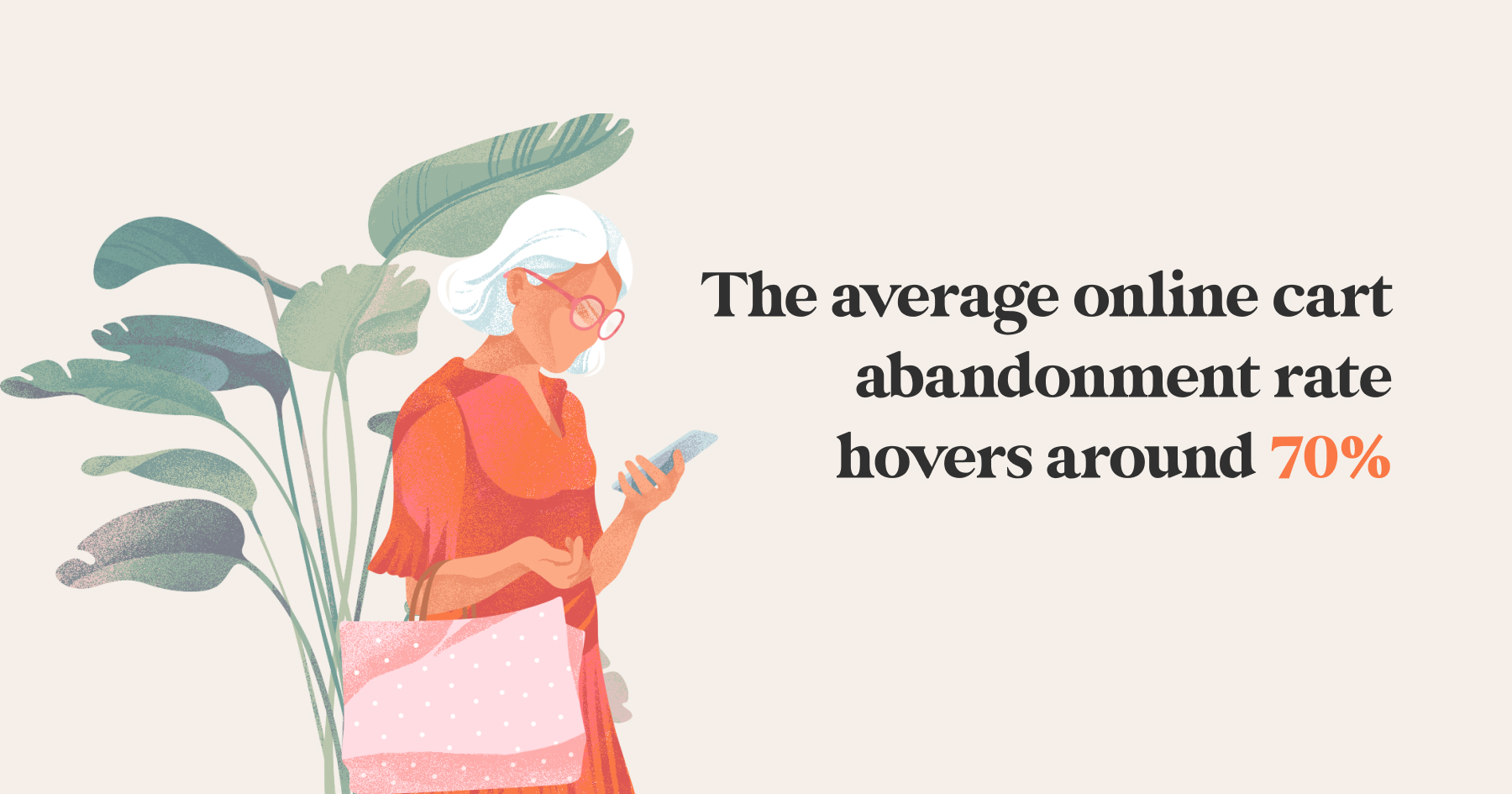
Cart abandonment isn’t a sign of failure, but a natural part of the e-commerce buying journey. According to industry research, the average online cart abandonment rate hovers around 70%, which means that most shoppers require more time, information, or reassurance before making a purchase.
Many brands rely on a single abandoned cart email and assume that if it does not convert, the opportunity is lost. In reality, buying decisions are rarely instant. Shoppers compare prices, read reviews, check delivery timelines, and wait for the right moment. Extended abandoned cart email sequences meet customers where they are in this decision-making process, providing timely nudges that feel helpful rather than pushy.
For brands focused on long-term growth, extended sequences are a critical component of e-commerce email marketing automation and a proven driver of revenue.
The outline of an effective extended abandoned cart strategy
An extended abandoned cart sequence is all about sending the right message at the right time, based on shopper intent and behavior. A strong strategy typically includes the following elements:
- Multiple emails spaced strategically across several days
- A clear shift in messaging from reminder to reassurance to incentive
- Personalization based on browsing behavior and cart contents
- Trust-building elements such as reviews, guarantees, and social proof
- Clear calls to action that guide the shopper back to checkout
Each email plays a distinct role in moving the shopper closer to a decision.
Why a single cart reminder is rarely enough
A single abandoned cart email often acts as a basic reminder. While this works for shoppers who were distracted or interrupted, it fails to address deeper objections. Many customers abandon carts due to concerns around pricing, shipping costs, delivery speed, return policies, or product suitability.
Extended sequences allow brands to:
- Address common objections over time
- Educate shoppers about product value
- Build confidence through testimonials and reviews
- Offer incentives only when needed
This layered approach respects the shopper's decision process and increases the likelihood of conversion without discounting too early.
How shopper psychology supports extended sequences
Buying online involves uncertainty. Shoppers cannot touch, try, or test products, which creates hesitation. Extended abandoned cart sequences work because they align with how people make decisions.
Early emails tap into memory and intent, reminding shoppers of what caught their attention. Mid-sequence emails provide reassurance through benefits, social proof, and answers to common questions. Later emails create a sense of urgency or offer incentives to encourage shoppers to take action.
This gradual progression mirrors in-store experiences where customers browse, ask questions, compare options, and decide when they feel confident.
The role of timing in cart recovery
Timing plays a significant role in cart recovery success. Sending one email too quickly or too late can reduce effectiveness. Extended sequences allow brands to optimize abandoned cart email timing by spreading messages across multiple touchpoints.
A typical timing structure may include:
- First email within one hour to capture high intent
- Second email within 24 hours to reinforce interest
- Third email after 48 to 72 hours to address objections
- Final email after several days to introduce urgency or incentives
Brands that follow this approach often outperform those relying on a single message. Industry data shows that brands using multi-step cart abandonment emails recover up to three times more revenue compared to one-email strategies.
What extended sequences do for long-term brand trust
Extended abandoned cart sequences help build brand credibility. When emails feel thoughtful, informative, and relevant, shoppers perceive the brand as helpful rather than sales-driven.
Trust-building elements that perform well include:
- Customer reviews and ratings
- Clear shipping and returns information
- Product usage tips or FAQs
- Brand values and customer support assurances
This approach supports conversions while strengthening brand perception, which leads to higher lifetime value.

Personalization makes extended sequences effective
Personalization transforms cart recovery from generic messaging into a tailored experience. Extended sequences create space for deeper personalization, which improves engagement.
Practical personalization ideas include:
- Displaying the exact products left in the cart
- Highlighting complementary products or upgrades
- Referencing browsing history or category interest
- Adjusting messaging based on cart value
Brands that personalize cart abandonment emails see higher open rates and click-through rates.
Measuring performance and benchmarks that matter
Tracking performance is essential to refining extended sequences. While every brand differs, understanding abandoned cart email benchmarks helps set realistic expectations.
Metrics to monitor include:
- Open rates across each email in the sequence
- Click-through rates and checkout visits
- Revenue recovered per email
- Unsubscribe rates to avoid fatigue
Healthy cart recovery programs typically generate 10-20% of total email revenue, depending on traffic volume and audience quality.
Why expert guidance accelerates results
Building extended abandoned cart sequences requires a strategic approach, thorough testing, and ongoing optimization. Partnering with a specialized e-commerce email marketing agency helps brands avoid common pitfalls and scale faster.
Growth Gurus, a Klaviyo email marketing agency, designs extended sequences that align with brand voice, customer behavior, and revenue goals. From flow logic to segmentation and testing, expert execution ensures that cart recovery supports sustainable growth rather than short-term wins.
Conclusion
Extended abandoned cart email sequences are crucial for e-commerce brands seeking to drive revenue growth, foster customer trust, and achieve long-term value. Shoppers rarely decide after a single reminder, and brands that rely on one email miss opportunities to educate, reassure, and convert.
By using structured timing, thoughtful messaging, personalization, and performance tracking, extended sequences turn hesitation into action. With the right strategy and execution, cart recovery becomes one of the most reliable revenue channels in e-commerce email marketing.
Frequently asked questions
How many abandoned cart emails should I send?

Most e-commerce brands achieve strong results with three to four emails sent over several days. This allows time to remind, reassure, and create urgency without overwhelming subscribers.
How should I start writing abandoned cart emails?
Effective cart emails focus on clarity, relevance, and value. Start with a simple reminder, follow with benefits and social proof, and introduce incentives only when needed. Personalization and clear calls to action are essential.
Do abandoned cart emails work?
Yes. Cart recovery emails consistently rank among the highest-performing email flows. Many brands recover 5 to 10 percent of otherwise lost revenue through well-structured cart sequences.
Should I offer discounts in every cart email?
Discounts should be used strategically. Offering incentives too early can train customers to abandon their carts intentionally. Many brands reserve discounts for the final email in the sequence.
How long should an abandoned cart sequence run?
A typical sequence runs between three and seven days. This window captures high-intent shoppers while giving others time to consider their purchase before the opportunity expires.
Recent Blog Post
.webp)
.png)
.png)
Ready to grow your business?
If you want your business to experience more sales and faster growth, all you need to do is book a meeting with us today.