5 ways e-commerce brands can create hype for new products

Launching a new product is one of the most exciting moments for any e-commerce brand. It offers a chance to spark curiosity, energize your audience, and turn attention into revenue. Yet, many launches fall flat because brands focus only on the release day instead of building anticipation in advance.

This article explores five proven ways e-commerce brands can create hype for new products using email, SMS, community engagement, and smart automation. You’ll learn how to warm up your audience, tell compelling stories, and design launch moments that customers genuinely look forward to.
5 ways to create product hype for your e-commerce brand
In e-commerce, attention is the most valuable currency. Your customers are constantly exposed to promotions, product drops, and limited-time offers. If your launch feels rushed or predictable, it risks getting lost in the noise. The most successful brands treat product launches as experiences rather than announcements.
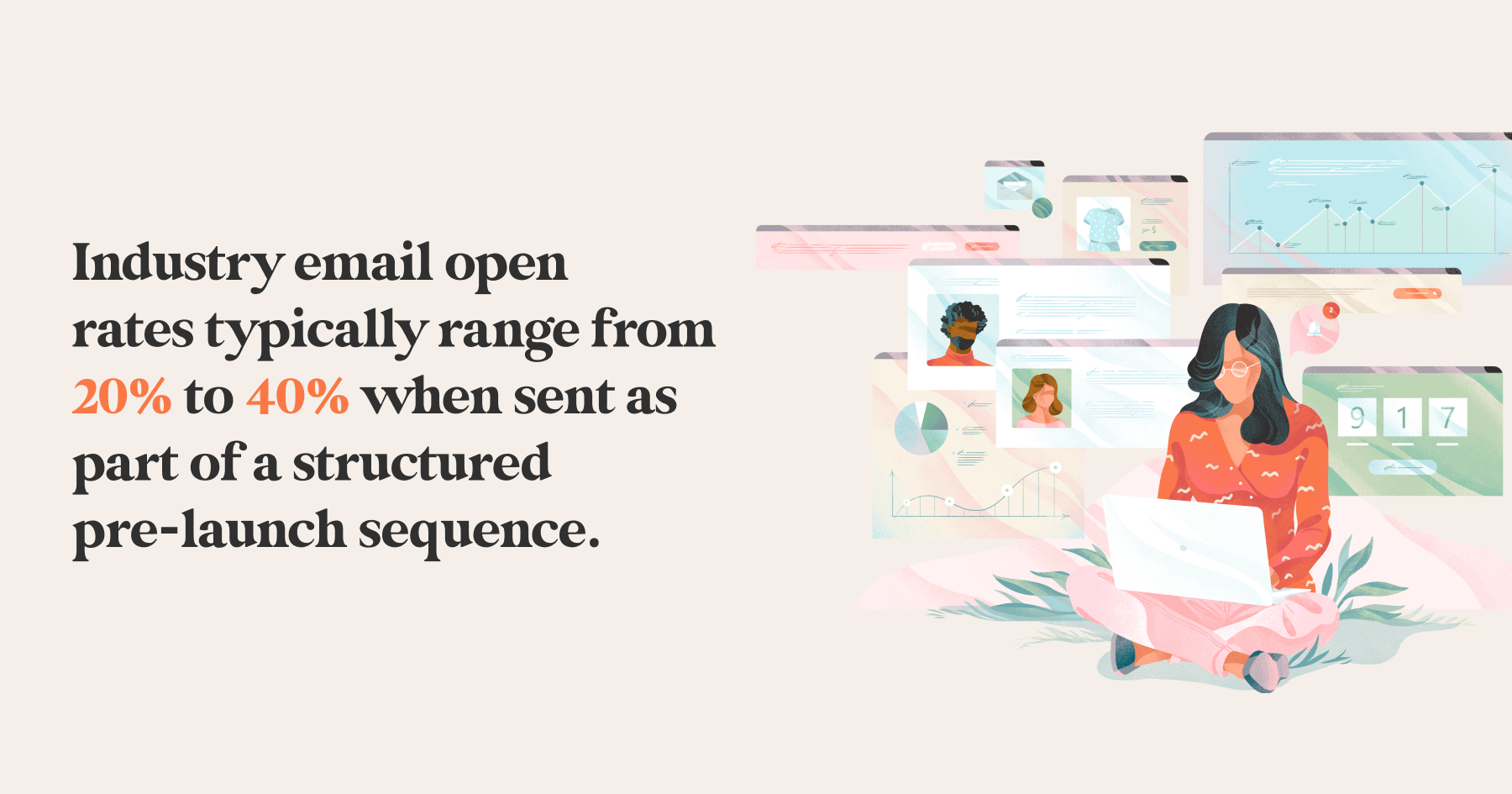
Creating hype is about pacing, psychology, and connection. When done well, anticipation builds trust, increases open rates, and drives stronger conversions on launch day. Industry email open rates typically range from 20% to 40% when sent as part of a structured pre-launch sequence.
Tips e-commerce brands can create hype before a new product goes live
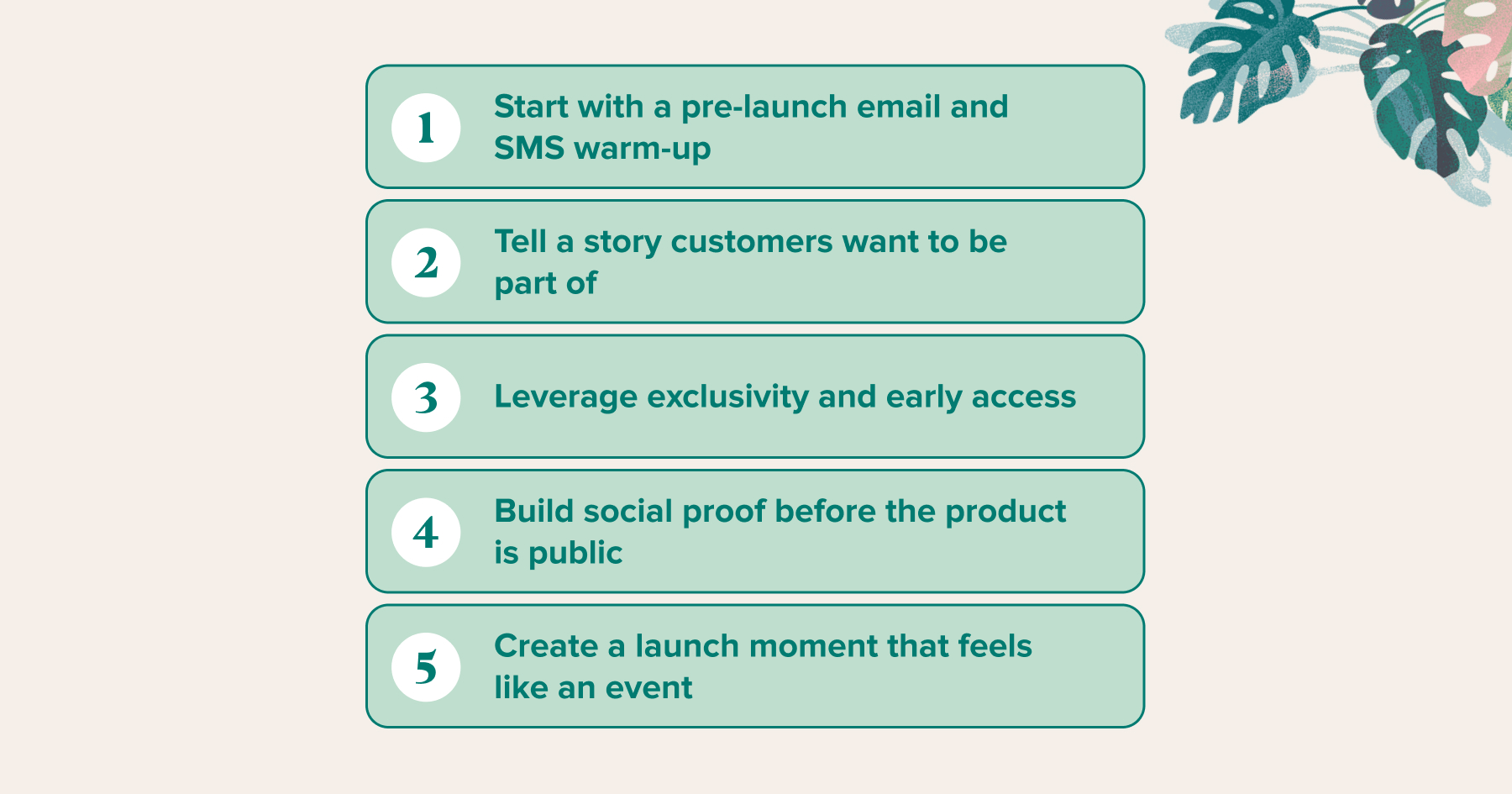
1. Start with a pre-launch email and SMS warm-up
Hype never starts on launch day. It starts weeks earlier with subtle signals that something new is coming. A well-planned warm-up phase primes your audience emotionally and mentally.
Email is ideal for storytelling and education, while SMS works best for short, high-impact messages. Together, they help your audience feel included rather than marketed to.
Practical warm-up ideas include:
- Teasing the problem your new product solves without revealing the product
- Sharing behind-the-scenes moments from development or testing
- Letting subscribers know they will get early access or exclusive perks
- Using a countdown that builds anticipation over time
Your warm-up emails should feel intentional instead of sales-heavy. A strong e-commerce new launch product email template focuses on curiosity, value, and timing rather than aggressive calls to action.
SMS messages during this phase should be limited and purposeful. One or two short texts hinting at what is coming can dramatically increase engagement without overwhelming subscribers.
2. Tell a story customers want to be part of
Products that generate hype often come with a story. Customers want context. They want to know why the product exists and how it fits into their lives.
Storytelling humanizes your brand and turns a launch into a shared journey. Instead of listing features, focus on moments, decisions, and the inspiration they provide.
Ways to tell a compelling launch story:
- Explain what sparked the idea for the product
- Share challenges faced during development
- Highlight customer feedback that shaped the final version
- Introduce the people behind the product
These stories work exceptionally well in email sequences and long-form landing pages. When customers feel emotionally invested, they are far more likely to pay attention when the product finally drops.
This approach is often refined with the help of an experienced e-commerce marketing agency that understands how narrative impacts conversion and retention.
3. Leverage exclusivity and early access
Exclusivity creates desire. When customers feel selected rather than targeted, their engagement naturally rises. Early access programs reward loyalty while fueling hype across your broader audience.
This strategy works for both large and small brands. Even a short early access window can make a difference.
Popular exclusivity tactics include:
- Early access for email or SMS subscribers
- VIP access for repeat customers or loyalty members
- Limited quantities during the first release window
- Private launch links shared via email or text
Research shows that 91% of consumers are more likely to shop with brands that recognize and reward them. Early access taps directly into that mindset by making customers feel valued and appreciated.
To maximize impact, communicate exclusivity clearly and consistently. Let customers know why they are receiving early access and what makes it special.
4. Build social proof before the product is public
Social proof doesn’t have to wait until after launch. In fact, building it beforehand can dramatically increase confidence and demand.
Early testers, beta users, and internal teams can all help validate your product before it reaches the broader market.
Ways to gather pre-launch social proof:
- Send samples to loyal customers and collect feedback
- Share short testimonials from beta users
- Post reactions or quotes from early testers in emails
- Use user-generated content teasers on social media
This approach reassures hesitant buyers and reduces friction on launch day. People trust people, especially when they see authentic reactions rather than polished marketing copy.
When combined with email and SMS campaigns, early social proof can significantly improve click-through and conversion rates. Many brands partner with a dedicated email and SMS marketing agency to coordinate timing and messaging across channels, ensuring their audience isn’t overwhelmed.
5. Create a launch moment that feels like an event
A product launch should be something worth attending. Treat it as a special moment.
This doesn’t require a massive budget, but it does call for intention, pacing, and clarity.
Ideas to elevate your launch moment:
- A live countdown via email or SMS
- A launch-day email that reveals the product story in stages
- A short launch window with a special bonus
- A post-launch follow-up that thanks customers and invites feedback
Consistency matters here. Your messaging, visuals, and tone should align across email, SMS, and your website. When everything feels cohesive, customers sense professionalism and trust.
This is often where brands see the biggest payoff from marketing automation. Well-timed flows ensure no one misses the moment while keeping communication relevant.
Conclusion
To create hype for new products, e-commerce brands need to think beyond the release date. Anticipation, storytelling, exclusivity, and social proof work together to transform a launch into an experience customers enjoy being part of.
Email and SMS remain two of the most powerful tools for building that excitement when used thoughtfully and strategically. With the right planning, even a small launch can feel meaningful and memorable.
At Growth Gurus, we help brands design launch strategies that connect with real people and drive measurable growth. When hype is built with care, it strengthens relationships that last long after launch day.
Frequently asked questions
How early should an e-commerce brand start building hype for a new product?

Most brands achieve their best results when they begin warming up their audience two to four weeks before launch. This timeline allows space for storytelling, teasers, and early access without overwhelming subscribers.
Is email or SMS better for creating launch hype?
Both channels serve different purposes. Email works well for detailed storytelling and visuals, while SMS is effective for urgency and reminders. Using them together creates a balanced and engaging launch experience.
Can small e-commerce brands create hype without a large audience?
Yes. Hype is driven by connection, not the size of the list. Smaller brands often experience higher engagement because their audiences feel a closer connection to the brand and are more involved in the process.
How many emails should be sent during a product launch?
There is no fixed number, but most successful launches typically include a short pre-launch sequence, a launch-day email, and one or two follow-up emails. The key is relevance and timing rather than volume.
What is the biggest mistake brands make during product launches?
One common mistake is focusing only on launch day. Without pre-launch anticipation and post-launch follow-up, even strong products can struggle to gain momentum.
Recent Blog Post
.webp)
.png)
.png)
Ready to grow your business?
If you want your business to experience more sales and faster growth, all you need to do is book a meeting with us today.