Email campaigns that drive conversions even when budgets are tight

Ecommerce businesses can create powerful email marketing campaigns without spending huge amounts of money. The secret lies in smart planning, organic list building, and focusing on valuable content over expensive design. With the right approach, budget-conscious email marketing campaigns can deliver impressive results that rival big-budget efforts.
How to create cost-effective email campaigns that drive conversions
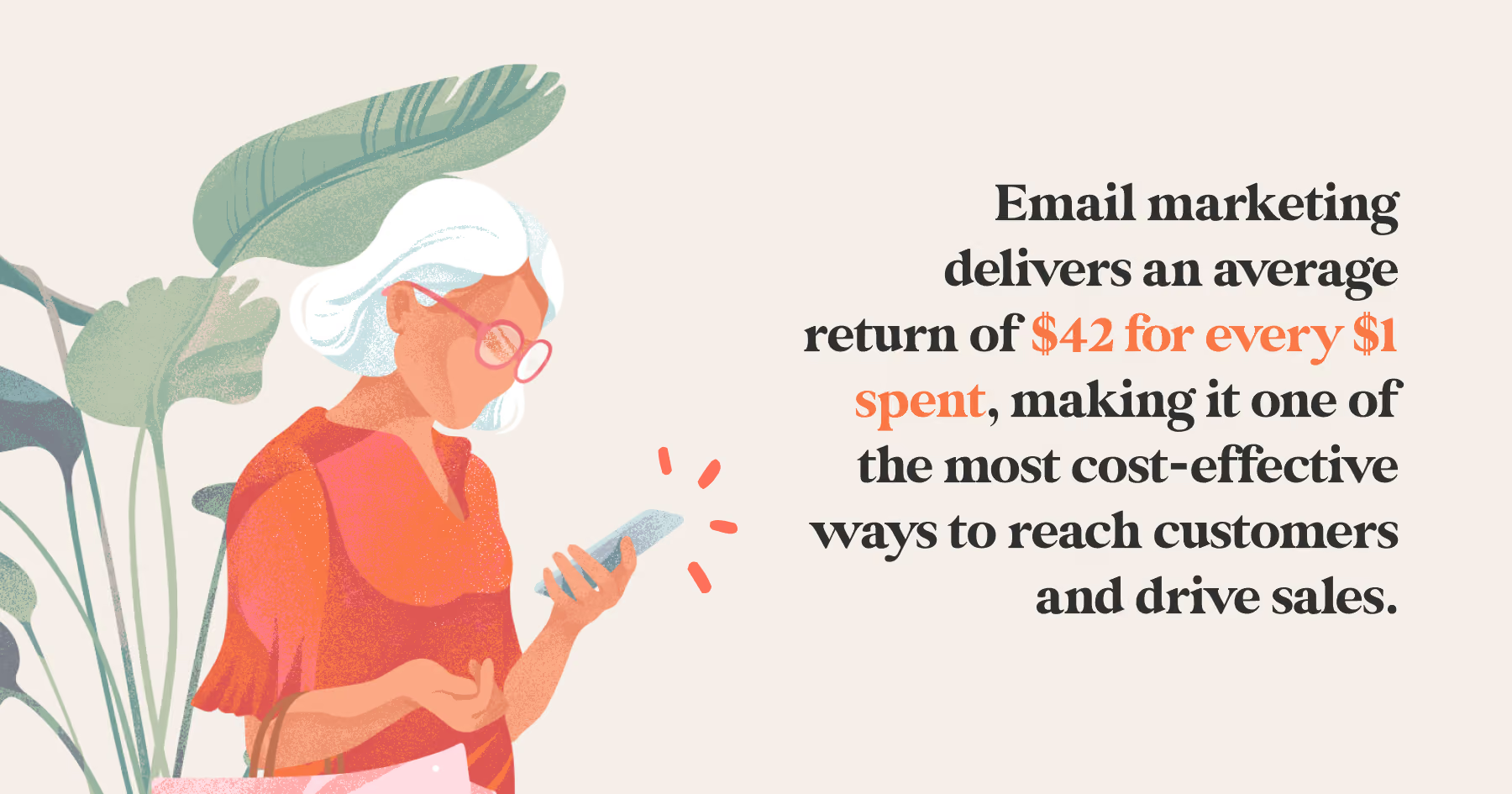
Running a successful ecommerce business means making every marketing dollar count. When money is tight, you might think email marketing is too expensive or complicated to manage. The truth is quite different. Email marketing delivers an average return of $42 for every $1 spent, making it one of the most cost-effective ways to reach customers and drive sales.
Many small e-commerce businesses struggle with email marketing because they think they need expensive software, professional designers, or massive subscriber lists. These assumptions keep them from tapping into one of the most powerful marketing channels available. The reality is that successful email campaigns depend more on strategy and consistency than on big budgets.
This guide will show you how to create email marketing campaigns that convert customers without breaking the bank. You'll discover practical strategies that work for businesses of all sizes, from startup ecommerce stores to growing online retailers.
Why email marketing matters for e-commerce businesses
Email marketing remains the backbone of successful ecommerce businesses because it creates direct connections with customers. Unlike social media platforms, where algorithms control who sees your content, email lands directly in your customers' inboxes. This direct line of communication lets you build relationships, share product updates, and drive sales without paying for each interaction.
For ecommerce brands, email serves multiple purposes throughout the customer journey. New visitors can be converted into subscribers through lead magnets like discount codes or valuable content. Existing customers receive product recommendations, order updates, and exclusive offers that encourage repeat purchases. Former customers can be won back through strategic re-engagement campaigns.
According to recent studies, email marketing generates at least 35 to 45% of total revenue for many ecommerce businesses. This significant contribution comes from email's ability to nurture leads over time and create multiple touchpoints with potential customers.
Email marketing also provides valuable customer insights. Every campaign generates data about what products interest your audience, which subject lines get opened, and what content drives clicks. This information helps you understand your customers better and improve future campaigns.
Email strategies that deliver results without big spending
Smart email marketing starts with understanding that success comes from strategy, timing, and value rather than expensive tools or fancy designs. The most effective campaigns focus on delivering the right message to the right person at the right time. This approach works regardless of your budget size.
Build a quality subscriber list organically
Growing your email list without paid advertising requires creativity and patience.
- Start by offering valuable content or incentives that make people want to share their email addresses. This might include exclusive product previews, helpful guides related to your products, or special discounts for first-time buyers.
- Pop-ups and signup forms work best when they offer genuine value. Instead of generic discount codes, consider creating specific lead magnets for different product categories. A skincare brand might offer a free skin assessment, while a fitness equipment seller could provide workout guides.
- Social media followers can become email subscribers through strategic content. Share snippets of valuable information on social platforms and direct followers to your email list for the complete guide or exclusive updates. This approach turns your existing social media audience into engaged email subscribers.
- Customer service interactions also present list-building opportunities. After resolving a customer issue, invite them to join your email list for product updates and exclusive offers. Happy customers are more likely to subscribe and engage with future emails.
Set your goals and target audience
Define specific objectives for each email campaign before writing a single word. Are you trying to recover abandoned carts, introduce new products, or encourage repeat purchases? Clear goals help you craft focused messages that resonate with specific customer segments.
Segment your audience based on purchase history, browsing behavior, and demographic information. A customer who bought running shoes might respond differently from someone who purchased hiking boots, even though both are athletic footwear customers. This targeted approach increases relevance and improves conversion rates.
Choose an affordable email marketing tool
Select an email marketing platform that grows with your business without straining your budget. Many platforms offer free tiers for smaller lists, making them perfect for businesses just starting their email marketing journey. Klaviyo email marketing provides robust automation features that work particularly well for e-commerce brands, while other platforms offer simpler interfaces for basic campaigns.
Look for tools that integrate seamlessly with your e-commerce platform to enable automatic data syncing and personalized product recommendations. These integrations save time and create more relevant customer experiences without requiring manual work.
Crafting engaging and high-converting emails
Write subject lines that create curiosity without being misleading. Your subject line determines whether recipients open your email, so test different approaches to see what resonates with your audience. Personalization tokens like first names can improve open rates, but only when they feel natural and relevant.
Keep your email content scannable with short paragraphs, bullet points, and clear calls-to-action. Mobile users often skim emails, so make your key message immediately obvious. Include high-quality product images that showcase your items in real-world settings rather than sterile product shots.
Schedule and automate for consistency
Automated email sequences handle routine communications without ongoing manual work. Welcome series, abandoned cart reminders, and post-purchase follow-ups can all be set up once and then run automatically. This automation ensures consistent communication with customers while freeing up time for other business activities.
Welcome email series introduces new subscribers to your brand and products. A typical series might include a welcome message, brand story, bestselling products, and customer testimonials spread across several days. This sequence helps new subscribers understand your value proposition and encourages their first purchase.
Abandoned cart emails recover potentially lost sales by reminding customers about items they left behind. These emails perform best when sent within a few hours of cart abandonment and include product images and easy purchasing links. A simple reminder often converts better than aggressive sales language.
Post-purchase emails build customer relationships and encourage repeat business. Thank customers for their purchase, provide order tracking information, and suggest complementary products. This approach turns one-time buyers into loyal customers who return for future purchases.
Track and optimize email campaign performance
Monitor key metrics like open rates, click-through rates, and conversion rates to identify what's working and what needs improvement. A/B test different subject lines, email designs, and call-to-action buttons to continuously improve performance.
Pay attention to unsubscribe rates and spam complaints, as these indicate when your messaging might be missing the mark. High-performing email marketing campaigns maintain engagement while respecting subscriber preferences.
Focus on quality over quantity
Sending fewer, higher-quality emails often produces better results than frequent promotional messages. Your customers want valuable content that helps them make better purchasing decisions, solve problems, or learn something new about your industry.
Each email should provide clear value, whether through exclusive offers, helpful tips, or interesting product stories. This approach builds trust and positions your brand as a helpful resource rather than another sales pitch.
Optimize for mobile
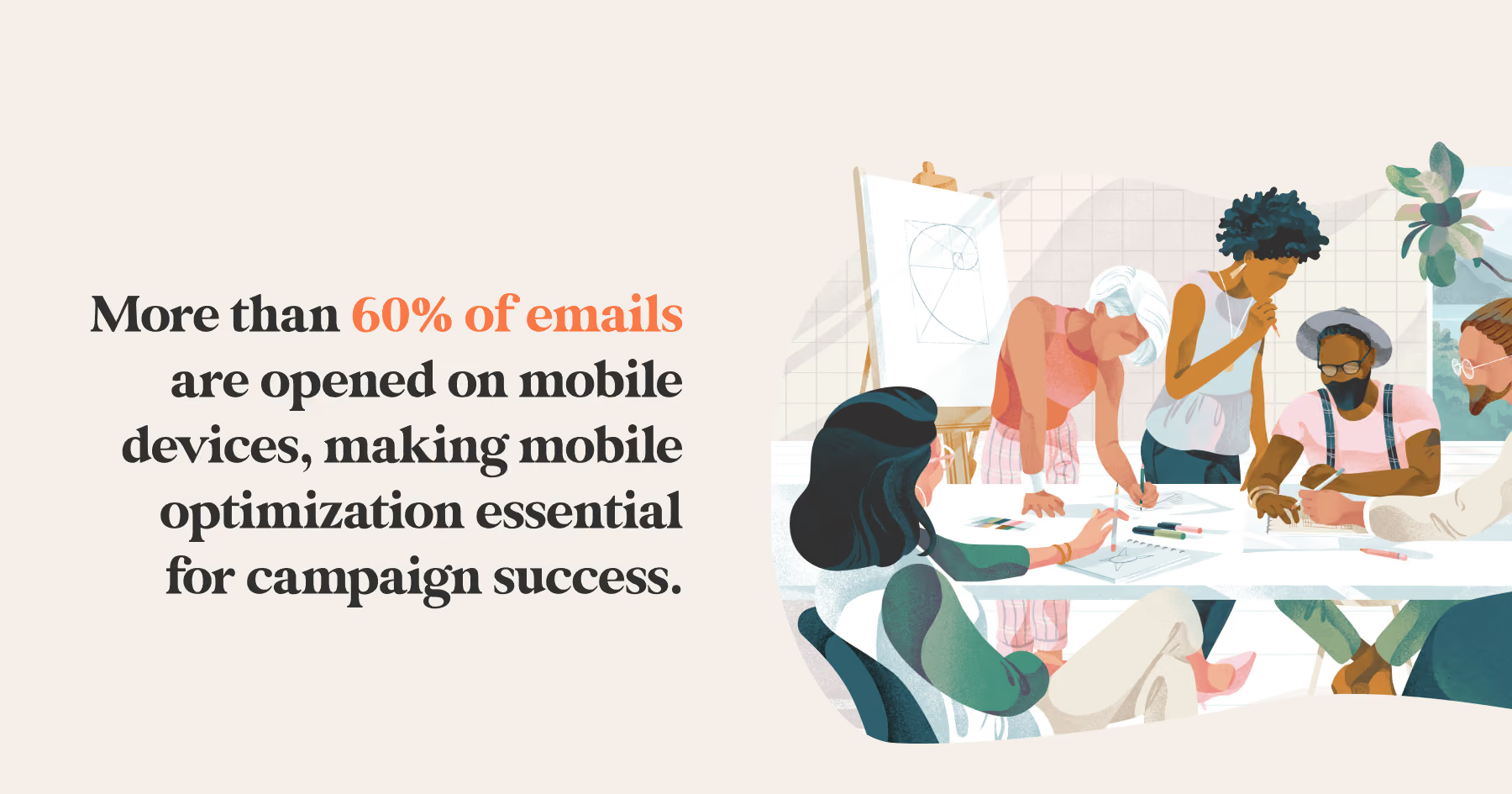
More than 60% of emails are opened on mobile devices, making mobile optimization essential for campaign success. Use responsive email templates that automatically adjust to different screen sizes and test your emails on various devices before sending.
Keep your call-to-action buttons large enough for finger taps and place them prominently within the email. Mobile users have less patience for scrolling, so place your most important content above the fold.
Creative campaign ideas that work on tight budgets
Creative thinking often produces better campaign results than big budgets. Focus on campaigns that leverage existing content, encourage customer participation, or align with natural shopping patterns. These approaches minimize costs while maximizing engagement and conversions.
Educational series that positions your brand as an expert
Share valuable knowledge related to your products through an educational email series. A skincare brand might send weekly tips about different skin types, while a kitchen equipment company could share cooking techniques and recipes. This content costs little to create but builds customer loyalty and trust.
Educational content performs particularly well because it provides immediate value to subscribers. Customers appreciate brands that help them get more value from their purchases through helpful tips and guidance.
User-generated content campaigns to cut content costs
Encourage customers to share photos, reviews, and stories about your products through email campaigns. Feature this content in subsequent emails to create social proof while reducing your content creation costs. User-generated content feels authentic and helps potential customers visualize themselves using your products.
Run contests or challenges that encourage customers to create content around specific themes or products. These campaigns create engagement while generating marketing material for future use across multiple channels.
Seasonal campaigns timed with natural shopping peaks
Plan email campaigns around holidays, seasons, and shopping events when customers are already in a buying mindset. These campaigns require minimal explanation because customers understand the relevance immediately.
Create urgency through limited-time offers that align with seasonal themes. Back-to-school campaigns, holiday gift guides, and summer product launches tap into existing customer intentions while providing clear reasons to purchase now.
Low-cost loyalty or referral incentives
Reward existing customers for repeat purchases or referrals through simple point systems or exclusive discounts. These programs encourage customer retention while generating new leads through word-of-mouth marketing.
Keep loyalty programs simple to avoid confusing customers or creating administrative burdens for your business. A straightforward "spend $100, get $10 off your next order" approach often works better than complicated tier systems.
Avoiding common mistakes in budget-conscious campaigns
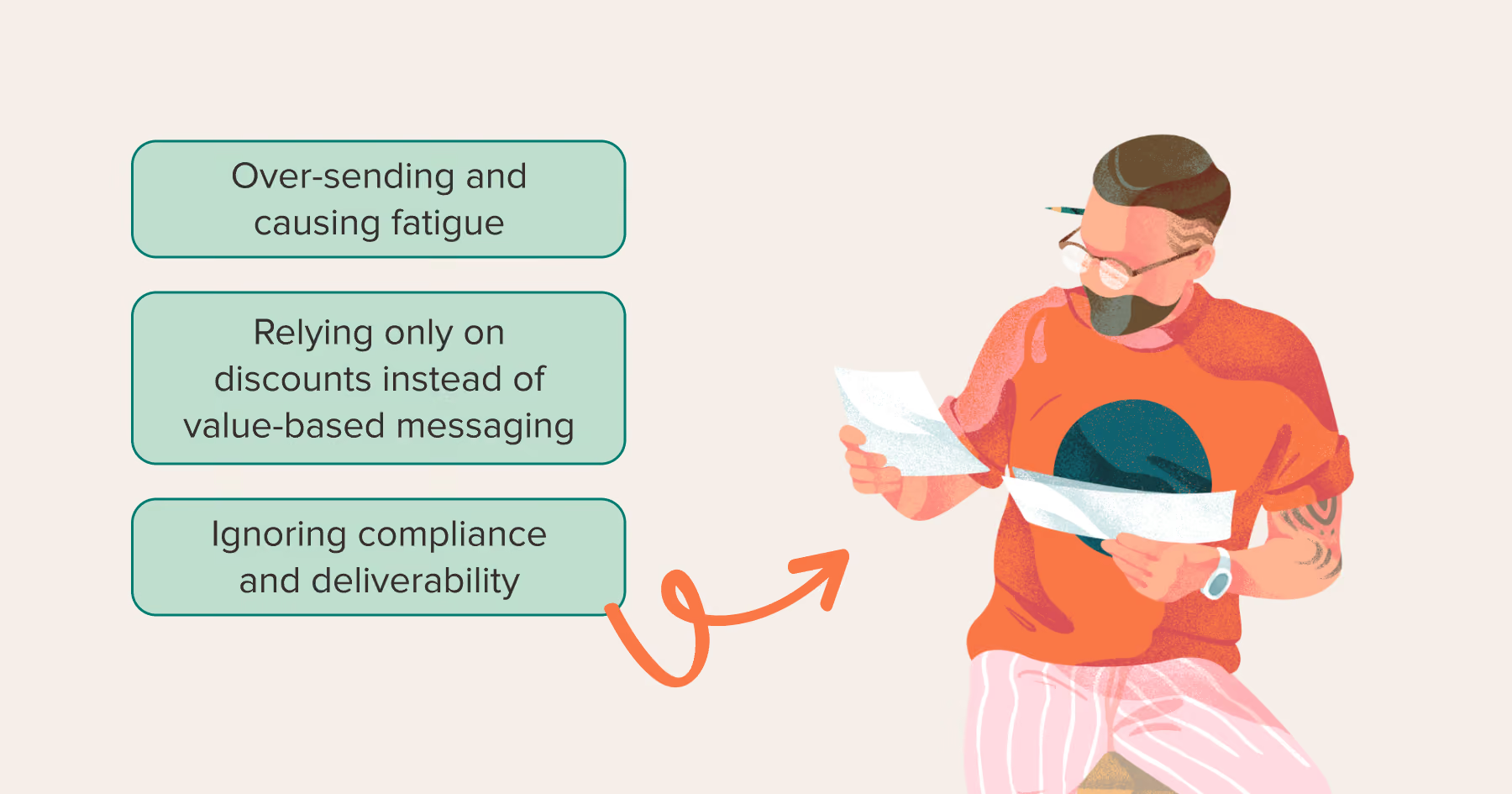
Over-sending and causing fatigue
Sending too many emails can overwhelm subscribers and lead to higher unsubscribe rates. Find the right frequency by testing different sending schedules and monitoring engagement metrics. Some audiences prefer daily emails, while others respond better to weekly communications.
Pay attention to engagement patterns and adjust your frequency accordingly. A gradual decline in open rates might indicate email fatigue, while steady engagement suggests your current frequency works well.
Relying only on discounts instead of value-based messaging
While discounts can drive immediate sales, constantly promoting price reductions can devalue your brand and train customers to wait for sales. Balance promotional emails with content that highlights product benefits, customer stories, and brand values.
Focus on demonstrating value through product education, styling tips, or problem-solving content. Customers who understand your product's benefits are more likely to purchase at full price and remain loyal over time.
Ignoring compliance and deliverability
Poor email deliverability can destroy even the best email marketing campaigns. Follow email marketing best practices like using double opt-in for new subscribers, maintaining clean email lists, and including clear unsubscribe options in every email.
Monitor your sender reputation and take immediate action if you notice deliverability issues. Working with email marketing companies or an ecommerce email marketing agency can help you maintain good standing with email providers while focusing on campaign strategy.
Conclusion
Successful email marketing for small businesses requires strategy over spending. By focusing on building genuine relationships with customers, providing consistent value, and using automation tools effectively, e-commerce brands can achieve impressive results without massive marketing budgets.
The key lies in understanding your audience deeply and crafting messages that resonate with their needs and interests. Whether you're managing email marketing campaign management internally or working with specialists, remember that sustainable email marketing success comes from patience, testing, and continuous optimization.
Growth Gurus specializes in helping e-commerce brands develop effective email marketing strategies that fit their budgets and goals. As an e-commerce email marketing agency, we understand the challenges small businesses face and provide practical solutions that deliver real results.
Recent Blog Post


Ready to grow your business?
If you want your business to experience more sales and faster growth, all you need to do is book a meeting with us today.