Email marketing essentials to grow your online pet store fast

Email marketing is a powerful way to reach pet owners, foster loyalty, and encourage repeat purchases. It lets you send well-timed messages catering to specific pet care needs, leading to stronger customer relationships. With a careful strategy, online pet stores can harness automated workflows and personalized campaigns to stay in touch with subscribers continually. You can efficiently guide shoppers through purchasing by prioritizing audience segmentation and relevant content. This blog offers essential tips, best practices, and insights on how email marketing can transform your pet supply business into a thriving online store.

How to use email marketing to grow your online pet store
Running an online pet store requires effort and dedication. You’re dealing with an audience that deeply loves and cares for its furry or feathered companions. Every pet parent wants the best products and advice to ensure their pets live healthy, happy lives. Yet, with countless e-commerce businesses vying for attention, getting pet owners to choose you can feel like a battle. Email marketing helps you stand out and connect on a personal level.
Email is one of the most cost-effective communication channels for driving sales, building loyalty, and sharing essential information. From product launches to pet care tips, the possibilities for content are endless. The best part is that a well-timed message can encourage a quick visit to your online store, resulting in a higher conversion rate and improved brand recognition. More importantly, email marketing lets you reach customers at pivotal moments, like when their pet’s food supply is low, or a new product line might match their pet’s needs.
However, executing email marketing with a clear understanding of best practices and a genuine desire to serve your customers is vital. The goal is never to overwhelm inboxes with irrelevant messages. Instead, strategic segmentation and consistent, high-quality content can strengthen your brand voice and ensure you remain top-of-mind for every pet parent scrolling through their inbox.
Why e-commerce email marketing is essential for pet supply stores
In the competitive world of online pet supplies, a robust email marketing strategy can help you stand apart from the crowd. Running ads on social media or optimizing your website’s SEO is essential, but direct messages via email can sometimes be the game-changer in building brand loyalty and trust. Let’s explore why email marketing is invaluable for any pet supply store looking to grow quickly and sustainably.
It’s personal
Personalization goes beyond adding a recipient’s name at the top of an email. It’s about tapping into their specific concerns, whether that means specialized nutritional needs for their pets, exclusive grooming items, or seasonal accessories. When pet owners see that your emails address their immediate problems or interests, they feel acknowledged and understood. This approach resonates with them more deeply than broad-stroke messaging that advertises products without context.
Email also gives you the chance to show empathy toward common pet concerns. Maybe someone has an anxious rescue dog who can’t be around loud noises or a cat that requires a specific type of litter for health reasons. By shaping campaigns around these unique circumstances, you offer solutions rather than pushy promotions. Over time, this careful, thoughtful communication shows your commitment to marketing pet products in a way that truly makes a difference in the lives of animals and their owners.
It builds relationships
One of the most substantial advantages of email marketing is its capacity to nurture relationships consistently. Rather than treating your customers as one-time transactions, you can share helpful tips, new product launches, and exclusive deals that match their pet’s lifestyle. Over time, each message you send can act as a friendly nudge, reminding them that you’re more than just a store, you’re a trusted companion on their pet care journey.
In a pet-centric business, relationship-building is central. A single positive interaction can lead to repeat purchases, word-of-mouth referrals, and positive reviews. By focusing on delivering valuable content, like how-to articles and personal stories of other satisfied pet owners, you create a warm, community-like atmosphere. Each email becomes a small conversation that forges stronger connections with your audience.
It’s measurable
Few marketing channels offer as much clarity on performance as email. Using Klaviyo, you can check open rates, click-through rates, and conversion statistics to pinpoint which parts of your campaigns resonate. If a particular message sparks sales or an uptick in engagement, you’ll know and can incorporate those elements into future emails.
Detailed metrics reveal trends in customer behavior. For instance, your data might show that customers in a specific geographic region prefer to purchase winter pet clothing earlier in the season. You may discover that a particular time of day consistently yields higher open rates. This data-driven approach ensures that you’re putting effort into what truly works.
It’s customizable
Every email can be tailored to fit your brand personality and meet the precise needs of your audience. Emails can serve various purposes: announcing a holiday promotion, offering a sneak peek of a new toy collection, or delivering educational content on pet nutrition. If you have multiple target segments—cat owners, dog owners, or bird enthusiasts—you can create specific templates with language and visuals that resonate with each segment.
Beyond just content, customization also extends to timing. Your analytics show that pet lovers prefer early-morning messages, while others respond better to late-night updates. By scheduling emails based on subscriber preferences, you increase the likelihood of them being read and acted upon. Ultimately, this fine-tuned customization positions your pet supply business as a responsive, customer-centric brand.
How to market a pet business with email marketing

Email is the best medium for meaningfully connecting with pet owners. It is also a flexible platform, allowing experimentation, creativity, and continuous improvement. Here are practical methods to make the most of email marketing in your pet supply store.
Determine who your target audience is
A critical first step is to identify your ideal customers. Are they first-time pet parents? Are they longtime enthusiasts with multiple animals at home? Do they favor organic and specialty products, or do budget-friendly deals mainly guide them? Understanding the lifestyles and preferences of your audience will help you craft emails that resonate.
Segmenting your customer base by pet type, location, or purchase history is helpful. If your store attracts more dog owners than any other demographic, craft messages that speak directly to dog lovers while creating separate campaigns for cat or bird owners.
Build your email list with pet-loving customers in mind
Your email list should reflect your ideal customer base, so building it strategically is a must. Encourage visitors on your website to sign up for your newsletter or an exclusive discount. Offer a small incentive, like a free puppy care guide or a first-time purchase coupon to persuade people to take that step.
Don’t overlook social media, in-store signage (if you have a physical location), or word-of-mouth. Each channel can be a gateway to attracting interested subscribers. The key is to gather qualified leads who genuinely care about pet products and will likely engage with your brand.
Select a reliable e-commerce email marketing platform
Picking the right email service platform is crucial to your success. A stable provider with robust automation features can drastically reduce your workload while enhancing customer experience. Options like Klaviyo, Justuno, and Yotpo offer user-friendly interfaces and detailed reporting, making it easy to customize campaigns and track outcomes. Whether you run a large-scale pet supply brand or a budding online store, ensure your chosen platform aligns with your growth goals.

Segment your audience for more personalized pet offers
Once you have a solid list, segmentation allows you to tailor content to each subscriber’s interests. If you identify a group that frequently buys organic dog treats, you could send them special deals on new organic lines or highlight the benefits of grain-free options. On the other hand, customers who primarily buy cat accessories might respond better to messages about interactive toys and scratching posts.
Segmentation can also be based on engagement. Subscribers who consistently open your emails may enjoy a monthly VIP newsletter with insider tips, while those who rarely engage might benefit from a reactivation campaign featuring compelling offers. Segmenting subscribers by geographic location can also help if certain states or regions have unique pet-related needs, such as winter clothing for animals in colder climates.
Offer pet-friendly deals and loyalty programs
Pet parents love a good deal, especially if it’s relevant to their pet’s needs. By offering free shipping, buy-one-get-one promotions, or loyalty reward points, you incentivize immediate purchases and encourage long-term engagement. A well-structured loyalty program can motivate subscribers to return, motivated by the benefits accumulated over time.
Exclusive deals also help differentiate your store from competitors. When customers see they’re receiving special discounts or early access to new collections, they begin to feel valued. For instance, you can implement a “members-only” pre-sale period before launching a new range of dog harnesses or cat furniture. Such perks increase your brand’s perceived value and excite customers to see what’s coming next.
Decide on the types of emails you’ll send
Not all emails serve the same function. Some are designed to inform, while others aim to persuade or re-engage inactive subscribers. Think carefully about the objectives of each campaign. If you want to share pet care advice, a newsletter format might be best. If you’re highlighting a limited-time offer, a short, punchy email with a clear call to action is usually more effective.
A balanced mix of content keeps your audience interested. Instead of overwhelming subscribers with constant sales pitches, switch things up with educational tips, stories from happy customers, or interactive emails where they can share photos of their pets. This variety creates a steady stream of fresh, engaging content that encourages people to stay tuned and look forward to what’s next.
Track key metrics to improve every campaign
Email marketing generates a treasure trove of data. Focusing on key metrics—like open rates, click-through rates, and conversions—helps you evaluate what’s going well and where improvement is needed. When a certain subject line drives significantly higher open rates, take note of its length, tone, and style. That information can guide your approach in subsequent campaigns.
For conversion metrics, track customers' actions after they click on an email. Did they purchase a featured product? Did they explore other product categories? Where did they drop off? This insight can guide adjustments in email design, landing pages, and your overall messaging strategy. Continuous improvement ensures you’re progressively honing in on the most effective tactics, preventing stagnation and boosting long-term results.
Share pet care tips to keep subscribers engaged
Education-based emails can be a refreshing change of pace from promotions. Pet owners appreciate tips on grooming, training, health, and nutrition. By sharing practical advice, you position yourself as a go-to resource. People often forward or discuss such content with other pet owners, organically extending your brand’s reach.
These educational messages can also naturally guide people to relevant products in your store. If you’re writing about puppy training, you might mention best-selling chew toys and crate-training accessories at the end of the article. When these suggestions appear as helpful recommendations rather than sales pitches, readers are more likely to view them positively—and possibly make a purchase. This is especially powerful when you’re collecting specific customer data to hyperpesonalise. For example, if we know a shopper is buying for their small dog, providing specific educational value-adds targeted to this group of pets can be an effective strategy for building connections.
Use automated workflows to stay top-of-mind
Marketing automation is a game-changer for busy e-commerce store owners. When someone subscribes to your list, a welcome email series can introduce your brand, highlight your top categories, and build immediate rapport. When a customer purchases dog food, an automated follow-up can recommend complementary items like treats or invite them to review their purchase.
Automation ensures consistency, allowing you to systematically nurture leads and maintain relationships without manually sending each message. It also extends your reach: night or day, new subscribers can receive timely messages that guide them from casual interest to loyal customers. When done correctly, this “always-on” approach maximizes sales opportunities and keeps subscribers engaged through every customer journey phase.
Highlight new products with eye-catching email designs
Your email list should be the first to know whenever you launch new toys or grooming supplies. Present these items with compelling visuals and concise descriptions illustrating why they stand out. Include clear calls to action—like “Browse New Arrivals” or “Shop Now”—to make it easy for interested customers to act immediately.
A visually appealing email helps break up text-heavy content and grabs attention. Consider using high-quality pet images to evoke emotional resonance. When recipients see happy pets enjoying your new products, they can imagine their companions benefiting from the same item. This emotional connection boosts the chances of clicks and eventual conversions.
Mobile-optimised emails for on-the-go pet parents
Pet owners often juggle work, family, and playtime with their furry friends. Many will skim through emails while on the go, using their smartphones or tablets. Thus, ensuring your emails are mobile-friendly is essential. If your campaign layout doesn’t adapt to smaller screens, even the most compelling content may be overlooked due to poor user experience.
Your email service should provide responsive templates that adapt to various devices. Concise subject lines and snippet text are also crucial. Busy subscribers are more inclined to open an email when they can quickly determine its relevance. By adopting a mobile-first approach, you accommodate modern shopping behaviors and showcase your commitment to convenience and accessibility.
Integrate email with SMS marketing for a stronger strategy
Combining email marketing with text messaging can produce powerful results. When used strategically, SMS helps deliver timely alerts for flash sales, order confirmations, or appointment reminders. Meanwhile, email provides a platform for more detailed content, such as multi-product promotions or in-depth brand storytelling.
For instance, you could use SMS to prompt subscribers to check their inboxes for a special limited-time offer. This pairing nudges higher open rates and keeps your brand fresh in consumers’ minds. When these channels reinforce each other, you create a seamless experience that caters to different communication preferences. Together, they help you reach a broader audience, boosting your conversions and overall brand engagement.
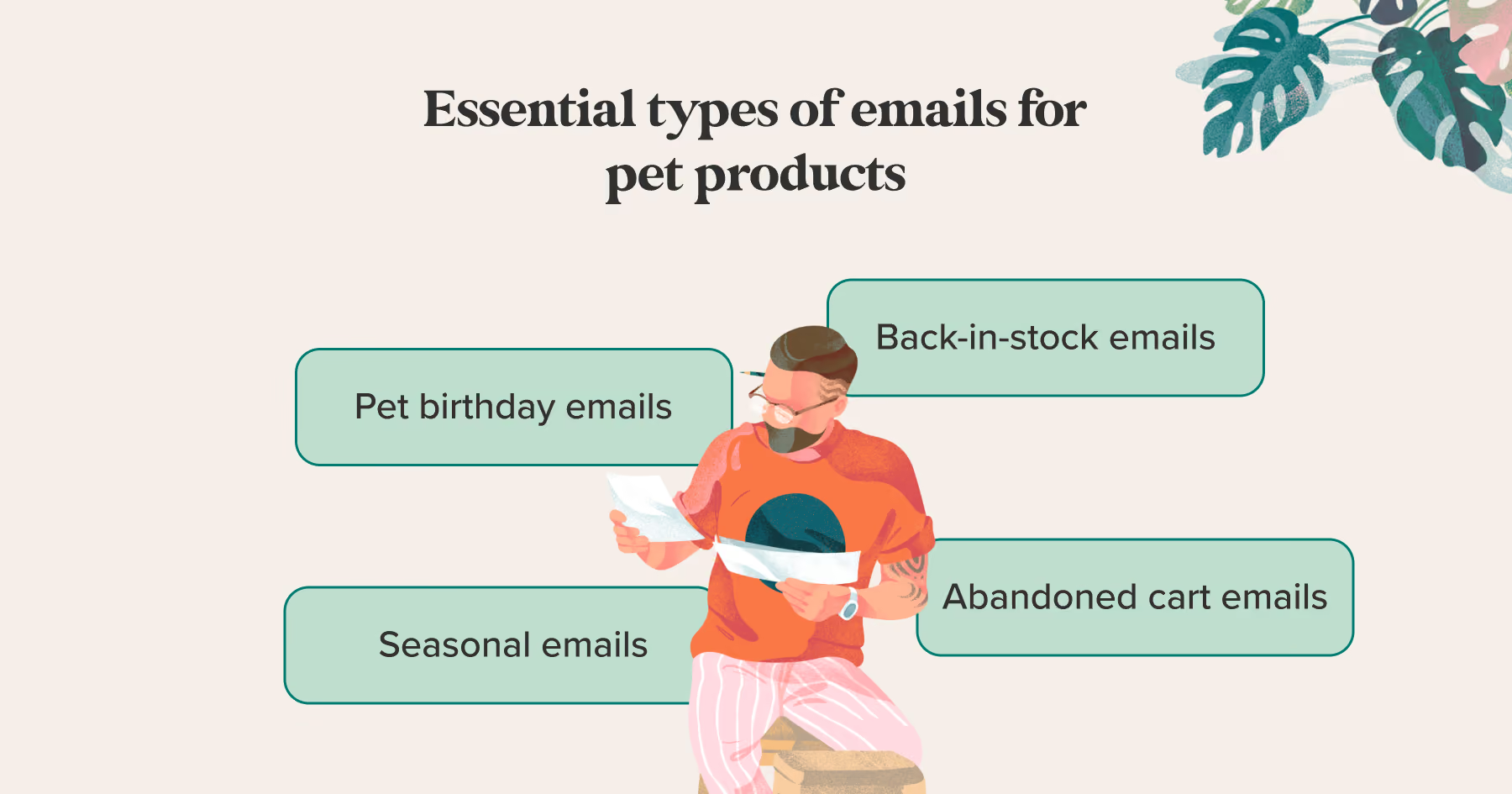
The four essential types of emails for pet products
Seasonal emails
Pets experience different needs throughout the year, and pet owners often look for products to address seasonal changes. Seasonal emails can highlight safety tips for fireworks during national holidays, cooling products during hot summer, or winter gear for cold climates. Also, suggest relevant items like tick repellents in the spring or holiday-themed treats around festive periods.
These emails align with what’s on everyone’s minds at specific times of the year and feel timely and purposeful. Recipients are more inclined to open emails labeled “Spring Grooming Tips” or “Summer Pet Safety,” as these topics resonate with immediate concerns. By addressing the unique challenges of each season, you position your brand as an expert source of practical guidance.
Pet birthday emails
Nothing says personal like remembering a pet’s special day. Collecting pet birthdays during sign-up can trigger an automated message that arrives a few days before or on the pet’s birthday. This email can feature celebratory graphics, a heartfelt note, and perhaps a discount or free item to mark the occasion.
Whether a dog turns three or a cat's first birthday, owners often get excited about celebrating these milestones. Some might purchase a cake or a new toy to commemorate the day. This small but thoughtful gesture can go a long way in endearing customers to your brand, reminding them that you care about their pet as an individual.
Back-in-stock emails
Running out of popular items happens, but it can also be an opportunity to create anticipation. Customers who attempt to buy an out-of-stock item might sign up for alerts. When you replenish inventory, a simple back-in-stock email can drive an instant uptick in sales. These emails feel urgent, especially if you mention limited quantities.
Highlighting product benefits and including images can reinforce why subscribers were interested in the item in the first place. If you have other similar or complementary items, consider featuring them as well, in case subscribers are open to new suggestions. The main goal is to convert that initial interest into an actual sale, leveraging a restocking event as a catalyst.
Abandoned cart emails
Abandoned cart emails are highly effective in recovering lost sales. Sometimes, customers get distracted or decide to compare prices and forget to return. A gentle reminder showcasing the items left behind can reignite their intent to purchase. Sweetening the deal with a small discount or free shipping can further motivate them to complete the transaction.
Make these emails inviting but concise. Include a clear call to action, and if possible, show an image of the abandoned items to remind shoppers of their original interest. Provide a direct link back to the cart for convenience. Abandoned cart emails often serve as a decisive nudge, bridging the gap between casual browsing and a final sale.
Key takeaways
Your online pet store has immense potential to thrive with a well-crafted email marketing strategy. From segmenting your audience to creating personalized workflows, email can serve as a direct line of communication that builds trust and keeps your brand in the spotlight. As you harness the benefits of pet ecommerce marketing, you’ll find consistent outreach, thoughtful offers, and data-driven improvements yield loyal customers eager to explore everything you offer.
Of course, email isn’t the only channel that matters. At Growth Gurus, we specialize in both email and SMS marketing to help e-commerce brands—especially those in the thriving pet space—connect with their audience in meaningful ways. We leverage marketing automation technology to help brands in every industry connect more effectively with their audience, including the booming pet sector. If you’re looking for a pet email marketing agency that understands how to strengthen your customer relationships through text messaging, we are here to help you.
Whether you need assistance with email campaign management services or want to integrate SMS alerts for faster, more direct engagement, a pet marketing company, Growth Gurus, can tailor solutions to fit your business size, budget, and specific goals. Let us handle the technical details, from campaign design to audience segmentation, so you can focus on delighting customers and looking after their pets’ needs. Our mission is to make every client’s marketing strategy as impactful and ROI-driven as possible.
The world of pet supplies is competitive, but there’s always room to stand out through genuine customer care and memorable brand experiences. By combining compelling email marketing tactics with assertive SMS outreach, you ensure that your customers receive the right message at the right time, whether at home or on the move. Contact us today and ensure your pet store flourishes in a rapidly evolving digital marketplace.
Recent Blog Post



Ready to grow your business?
If you want your business to experience more sales and faster growth, all you need to do is book a meeting with us today.