Email marketing for alcohol brands: Best practices to grow online sales

In the competitive world of alcohol brands, standing out online requires more than just great products. It demands a strategic marketing approach that builds meaningful connections with customers. Email marketing remains one of the most effective tools to engage your audience directly, nurture relationships, and drive online sales. Unlike social media or paid ads, email offers a personal, permission-based channel that allows brands to communicate with customers on their terms.

Email marketing best practices for alcohol Brands
Email marketing for alcohol brands is a strategic approach to building customer loyalty, increasing repeat purchases, and attracting new buyers. It involves sending targeted messages that inform, educate, and inspire your audience while encouraging them to take action. With the right mix of campaign types and best practices, alcohol brands can create a consistent, engaging experience that drives awareness and revenue.
The alcohol industry faces unique challenges, including strict regulations and the need for responsible messaging. However, these challenges also present opportunities to build trust and authenticity through thoughtful communication. By leveraging email marketing automation platforms like Klaviyo email marketing, brands can segment their audience, personalize messages, and optimize campaigns for maximum impact.
This guide will walk you through the various email campaigns that work best for alcohol brands and share seven best practices to help you execute them effectively. From welcome emails to re-engagement offers, you’ll learn how to craft campaigns that resonate, comply with industry standards, and convert.
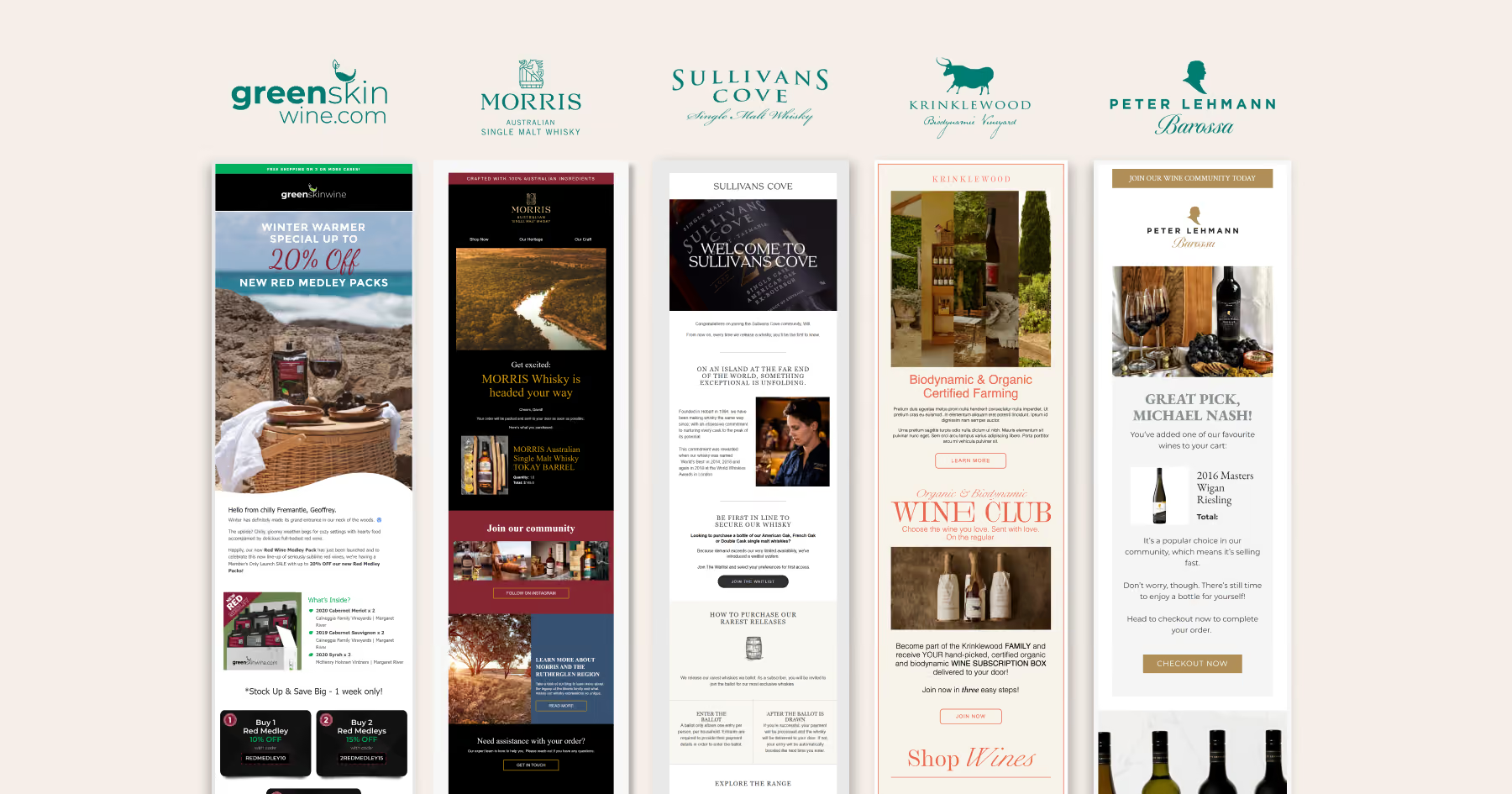
Types of email campaigns for promoting alcohol brands
A diverse email marketing strategy keeps your audience engaged and encourages different types of interactions with your brand. Here are the most effective campaign types for alcohol brands:
Welcome emails for new subscribers
The welcome email is your chance to make a strong first impression. People who sign up for your list express interest in your brand. A well-crafted welcome email introduces your story, sets expectations for future communication, and often includes a special incentive to encourage the first purchase.
For example, a winery might share its history, highlight signature wines, and offer discounts on the first order or an invitation to join a wine club. This email should be warm, informative, and clear about what subscribers will receive going forward. It’s also an excellent opportunity to collect additional preferences to personalize future emails.
New product launch announcements
Launching a new product is an exciting moment for any alcohol brand. Email campaigns announcing new releases generate buzz and encourage early sales. These emails should include compelling visuals, detailed descriptions, and the story behind the product—whether it’s a new vintage, a limited-edition spirit, or a seasonal brew.
Highlight what makes the product unique, such as its flavor profile, production methods, or awards. Including tasting notes or pairing suggestions can entice customers to try the new offering. Consider adding a call to action that directs subscribers to shop the latest product or RSVP for a virtual tasting event.
Promotional campaigns that include exclusive discounts and deals
Promotional emails are designed to drive immediate sales by offering exclusive discounts, limited-time deals, or special bundles. These campaigns work best when they create a sense of urgency or exclusivity, encouraging subscribers to act quickly.
For alcohol brands, promotions can be tied to events like product launches, anniversaries, or clearance sales. For example, a brewery might discount seasonal brews during Oktoberfest, or a distillery could bundle products for holiday gift sets. Make sure your offers comply with legal restrictions and age verification requirements.
Seasonal and holiday campaigns
Seasonal and holiday campaigns capitalize on moments when consumers are more likely to purchase alcohol, such as Christmas, New Year’s Eve, summer barbecues, or Valentine’s Day. These emails should be timely, relevant, and festive.
Include themed content like cocktail recipes, gift guides, or entertaining tips that align with the season. For instance, a winery could promote its rosé wines for summer picnics or share recipes for holiday cocktails featuring their spirits. These campaigns boost sales and strengthen your brand’s connection to special occasions.
Educational content on cocktail recipes and food pairings
Providing educational content adds value to your emails and positions your brand as an expert. Sharing cocktail recipes, food pairing suggestions, or behind-the-scenes stories about your production process engages customers beyond the point of sale.
For example, a distillery might send emails featuring classic and innovative cocktail recipes using their products. A winery could offer pairing advice for different varieties with popular dishes. This kind of content encourages subscribers to experiment and enjoy your products in new ways, increasing brand affinity and repeat purchases.
Newsletters that include brand updates and industry news
Regular newsletters keep your audience informed and connected. They are an excellent way to share company news, upcoming events, staff spotlights, or industry trends. This ongoing communication builds brand loyalty and keeps your subscribers engaged between promotional campaigns.
For alcohol brands, newsletters can include updates on harvest seasons, new certifications, sustainability efforts, or collaborations with other brands. Including user-generated content or customer testimonials can also enhance authenticity and trust.
Abandoned cart follow-ups
Abandoned cart emails are a critical tool for recovering lost sales. When customers add products to their cart but don’t complete the purchase, a timely reminder can nudge them to finalize the order.
These emails should include images of the abandoned products, a clear summary of the cart, and a persuasive call to action. Sometimes, offering a small incentive like free shipping or a discount can increase conversion rates. Send these reminders promptly, typically within 24 hours of abandonment.
Re-engagement campaigns (win-back offers)
Over time, some subscribers become inactive or disengaged. Re-engagement campaigns aim to win back these customers with targeted offers or personalized messages.
Win-back emails might include exclusive discounts, invitations to update preferences, or surveys to understand why they stopped engaging. The goal is to rekindle interest and clean your list by removing unresponsive contacts. This keeps your email list healthy and focused on active, interested subscribers.
7 best practices for alcohol email marketing
Implementing these best practices will help ensure your email marketing efforts are effective, compliant, and well-received.
Build a quality email list with website sign-ups
A strong email marketing program starts with a quality list. Focus on growing your list organically through website sign-ups, social media, events, and in-store promotions. Use clear, compelling calls to action and offer incentives such as discounts, exclusive content, or early access to new products.
Avoid purchasing email lists, which often result in low engagement, damage your sender's reputation, and aren’t compliant with regulations. Instead, create an easy and transparent sign-up process, including clear privacy policies and age verification when required.
Segment your email list for better targeting
Segmentation allows you to send more relevant emails by grouping subscribers based on purchase history, location, engagement level, or preferences. For alcohol brands, this might mean separating wine lovers from craft beer fans or targeting customers who prefer red wine over white.
Segmented campaigns typically see higher open and click-through rates because the content is tailored to the recipient’s interests. Use your email platform’s automation features to create dynamic segments and deliver personalized experiences at scale.
Write subject lines that get opened
Your email’s first impression is your subject line and can make or break your campaign’s success. Craft subject lines that are clear, concise, and compelling. Avoid spammy language or excessive punctuation, and consider including personalization, such as the subscriber’s name or location.
Using curiosity, urgency, or value propositions can also boost open rates. For example, “Discover our new summer rosé – limited stock!” or “Your exclusive 20% off inside.” Testing different subject lines through A/B tests helps identify what resonates best with your audience.
Design visually appealing emails that are easy to read
Good design enhances readability and engagement. Use a clean layout with plenty of space between modules, clear headings, and high-quality images that showcase your products. Ensure your emails are mobile-responsive, as many users check email on smartphones.
Consistent branding—colors, fonts, and logos—reinforces recognition and professionalism. Avoid clutter and keep your message focused. Use bullet points or short paragraphs to make content scannable.
Personalization for more relevant and engaging emails
Personalized emails create a stronger connection with your audience. Beyond using a subscriber’s name, tailor content based on past purchases, browsing behavior, or preferences.
For example, recommend wines similar to those a customer has bought before, or send birthday offers. Personalization increases relevance, making subscribers more likely to engage and convert.
Guide readers with calls to action
Every email should have a clear goal and a prominent call to action (CTA). Whether it’s “Shop now,” “Learn more,” or “Join our wine club,” your CTA guides readers toward the next step.
Make CTAs visually distinct with buttons or bold text, and place them strategically within the email. Avoid overwhelming readers with too many options, which can dilute focus and reduce clicks.
Monitor results and adjust your strategy accordingly
Tracking key metrics like open rates, click-through rates, conversion rates, and unsubscribe rates provides insight into your campaign’s performance. Use this data to identify what works and what doesn’t.
Experiment with different content, designs, sending times, and segmentations. Regularly cleaning your list by removing inactive subscribers improves deliverability and engagement. Continuous optimization based on data leads to better results over time.

Why choose Growth Gurus for email marketing?
At Growth Gurus, we specialize in helping alcohol brands unlock the full potential of email and marketing services. As a leading e-commerce email marketing agency, we understand the nuances of alcohol brand marketing, including compliance and audience engagement.
Our email campaign management services leverage advanced automation tools like Klaviyo to deliver personalized, timely, and relevant messages that convert. Whether you’re focusing on wine email marketing, email marketing for wineries, or broader alcohol brand marketing, our team crafts strategies tailored to your unique needs.

We go beyond managing campaigns, building relationships between your brand and your customers. Our approach combines data-driven insights with creative storytelling to foster loyalty and drive sales growth. From list building and segmentation to design, copywriting, and performance analysis, we handle every aspect of your email marketing.
Choosing Growth Gurus means partnering with experts dedicated to your success. Let us help you engage your audience, increase online sales, and grow your brand through powerful, compliant, and effective email marketing strategies.
Recent Blog Post

Ready to grow your business?
If you want your business to experience more sales and faster growth, all you need to do is book a meeting with us today.