Impulse vs. intent purchases: How emails influence buying decisions

Every purchase starts with a decision, but the path to that decision varies dramatically. Some shoppers add items to their cart within seconds of seeing them, while others spend weeks researching before clicking buy. Understanding the difference between impulse and intent purchases helps brands craft email campaigns that speak to customers at the right moment with the right message. This guide explores how email marketing shapes both spontaneous and planned buying behaviors.

Impulse vs. intent: The role of emails in shaping purchase decisions
Do you remember your last spontaneous purchase? Maybe it happened after a long day when a limited-time offer landed in your inbox, creating that irresistible sense of urgency.
Can you remember what you actually bought? Chances are, it was something relatively affordable, like an accessory or a small tech item. But what if that same campaign had featured luxury goods like designer furniture or original artwork? Your reaction would probably have been very different, unless you’d already researched those items, confirmed they met your needs, and were ready to commit.
When it comes to online shopping, customer behaviour isn’t one-size-fits-all. Sometimes people buy on impulse; other times, they take a methodical approach. The real questions are: does every purchase fit neatly into one category or the other? And how can you use that distinction to improve your next campaign’s performance?
Defining impulse vs intent buying
Impulse buying happens when customers make unplanned purchases driven by emotion, urgency, or opportunity. These decisions happen fast, sometimes within minutes or even seconds. The shopper didn't wake up planning to buy that scented candle or extra pair of sneakers, but something triggered the desire in the moment.
Intent buying represents the opposite end of the spectrum. These purchases involve research, comparison, and deliberation. The customer knows they want to buy something; they're just figuring out which brand, model, or option fits their needs best. These decisions can take days, weeks, or even months.
The line between these two buying behaviors gets blurry sometimes. A customer might impulsively buy a low-cost item while taking weeks to decide on a higher-priced purchase. The same person who impulse-buys a $15 t-shirt might spend months researching a $150 coffee maker.
The psychology behind impulse and intent buying
Impulse buying factors
Impulse purchases tap into immediate emotional responses. The brain's reward system activates when we see something appealing, releasing dopamine and creating feelings of excitement or pleasure. Several psychological triggers drive these quick decisions:
- Scarcity and urgency create fear of missing out. When customers see phrases like "limited stock" or "sale ends tonight," their brains shift into ‘act now’ mode. The possibility of losing an opportunity overrides rational thinking.
- Visual appeal matters enormously for impulse purchases. Eye-catching product images, compelling colors, and attractive layouts grab attention and hold it. The emotional response happens before the logical brain can question whether the purchase makes sense.
- Low friction removes barriers to purchase. When buying takes minimal effort with features like saved payment information, one-click checkout, or free shipping, the gap between wanting and owning shrinks to nothing.
- Mood and emotional state influence impulsive decisions. Shoppers often buy impulsively when feeling happy, stressed, or bored. The purchase becomes a form of emotional regulation or reward.
Intent buying factors
Intent purchases engage the logical, analytical parts of the brain. Customers making these decisions weigh options, consider alternatives, and evaluate value. Key factors include:
- Research and information gathering drive intent purchases. Customers read reviews, compare specifications, and seek expert opinions. They want to feel confident about their choice before committing.
- Problem-solving motivates intent buying. The customer has identified a specific need or problem and is looking for the best solution. They're not buying on a whim; they're addressing something that matters to them.
- Budget considerations play a larger role in intent purchases. Higher-priced items naturally require more thought. Customers want to ensure they're spending money wisely.
- Long-term value matters for intent buyers. They think about durability, quality, and whether the product will meet their needs over time. Quick satisfaction takes a backseat to lasting value.
Impulse vs intent purchasing misconceptions
Many marketers assume impulse purchases only happen with cheap items, but price doesn't tell the whole story. Someone might impulse-buy a $300 designer bag during a flash sale while carefully researching a $30 kitchen gadget. The perceived value and emotional connection matter more than the actual price tag.
Another misconception suggests that impulse vs intent purchases represent completely separate customer groups. In reality, the same person exhibits both behaviors depending on the product category, their current needs, and their mood. Your most analytical, research-driven customer might still grab a last-minute item at checkout.
Some brands believe impulse buyers aren't valuable customers. This thinking ignores repeat purchase potential. A customer who impulse-buys once can become a loyal advocate if the product quality and experience meet expectations.
How email marketing can help with both buying behaviors
Email marketing bridges the gap between impulse and intent purchases because it meets customers where they are in their buying journey. The same channel that sends a "flash sale ending soon" message can also deliver an educational guide comparing product features.
Emails arrive in a personal space, creating a one-to-one conversation feeling. This intimacy makes emails effective for both quick emotional appeals and thoughtful, informative content. The format adapts to the message and the customer's mindset.
Timing plays a crucial role. Email marketing management services allow brands to send messages at optimal moments, whether that's catching someone during a lunch break with an impulse-triggering deal or following up with someone who's been browsing product pages for weeks.
Personalization makes emails work for both buying types. Brands can segment audiences based on behavior, sending impulse-focused messages to quick buyers while delivering detailed information to researchers. The same email campaign doesn't need to serve everyone the same way.
How can you tell which one to use?
Understanding your customer's behavior reveals which approach to take. Several signals indicate whether someone leans toward impulse or intent buying:
- Browse patterns tell the story. Customers who visit multiple times, view comparison content, or spend time reading product descriptions are likely intent buyers. Those who land on a product page and immediately add to cart lean toward impulse behavior.
- Purchase history shows patterns. If someone consistently buys during sales or makes frequent small purchases, they probably respond well to impulse triggers. Customers who buy infrequently but spend more might need intent-focused nurturing.
- Product category matters significantly. Low-cost items, fashion, and consumables often trigger impulse purchases. Big-ticket items, technical products, and major life purchases typically require intent-based approaches.
- Email engagement reveals preferences. Watch which emails get clicks and conversions. If someone consistently responds to "last chance" messages, they're impulse-driven. If they engage with guides, comparisons, and educational content, they need an intent-focused strategy.
A Klaviyo email marketing agency can help analyze these patterns through advanced segmentation and behavioral tracking, ensuring messages match customer mindsets.

Email marketing strategies for impulse purchases
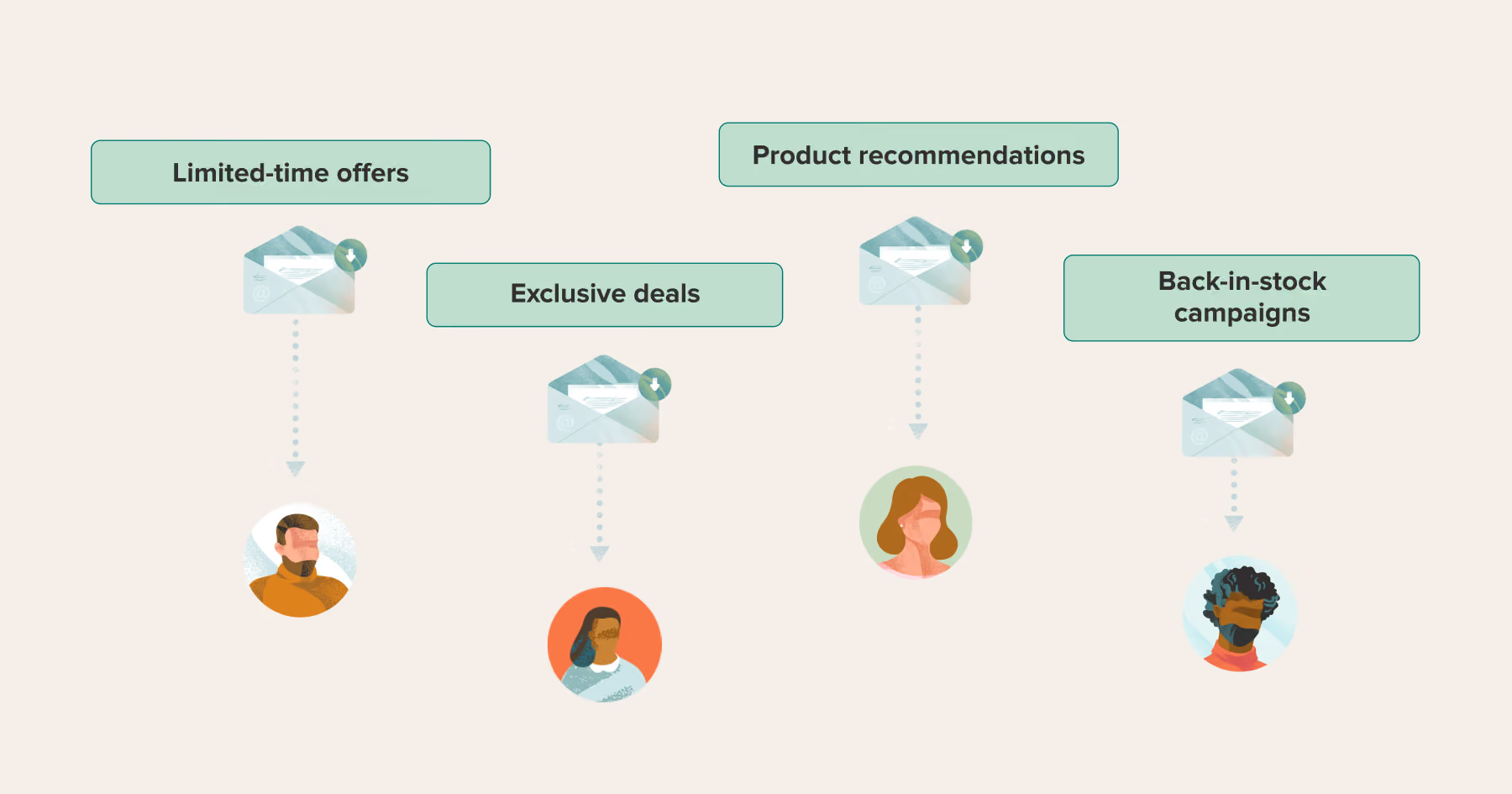
Limited-time offers
Urgency drives impulse purchases. Countdown timers, expiring discounts, and "ends tonight" messaging activate the fear of missing out. The key lies in making the time constraint clear and believable. Generic urgency fails, but specific deadlines work.
Subject lines should communicate the time-sensitive nature immediately: "6 Hours Left: 40% Off Everything" or "Tonight Only: Free Shipping." The email body should reinforce urgency through design with elements like countdown timers, bold text, and prominent calls to action.
Real scarcity matters. If customers receive "last chance" emails every week, the urgency loses impact. Save these email marketing tips for impulse purchases for genuinely limited opportunities.
Exclusive deals
Making customers feel special triggers emotional buying decisions. VIP discounts, early access, and member-only sales create a sense of privilege. Customers don't want to miss benefits that others can't access.
These email marketing strategies for impulse purchases work because exclusivity taps into status and belonging. Phrases like "Just for You," "VIP Preview," or "Exclusive Member Offer" signal that the recipient is valued.
This psychology works even better when paired with personalization. An email that says "Sarah, you're invited to our private sale" feels more special than generic blast messaging.
Product recommendations
Smart recommendations feel serendipitous, like discovering something you didn't know you wanted. These emails work for impulse purchases when they showcase items related to previous purchases or browsing behavior.
The "you might also like" approach introduces products aligned with established preferences. If someone bought running shoes, showing them moisture-wicking socks or a fitness tracker plants impulse-buying seeds.
Visual presentation matters enormously. High-quality product images, clear pricing, and easy "add to cart" buttons remove friction. The customer should move from interest to purchase in seconds.
Back-in-stock campaigns
A few things trigger impulse purchases, like getting something you previously couldn't have. Back-in-stock emails tap into pent-up desire and urgency. The customer already wanted the item, and now it's available again, how long will it be back?
These emails should arrive immediately when inventory replenishes. Speed matters because other interested customers received the same notification. Adding language like "limited quantities" or "selling fast" amplifies urgency.
The email should make purchasing effortless. Include product images, sizing or variant options, and a direct purchase link. Any extra steps risk losing the impulse moment.
Email marketing strategies for intent purchases
Educational content
Intent buyers crave information. Educational emails build trust while helping customers make informed decisions. These messages might include buying guides, product comparisons, how-to content, or industry insights.
An e-commerce email marketing agency understands that educational content shouldn't feel like a sales pitch. The focus stays on helping the customer solve their problem or make a better choice. If your product is genuinely the best solution, education will naturally lead there.
Examples include comparison charts, feature explanations, use-case scenarios, and expert recommendations. The content should answer questions customers actually have during research phases.
Retargeting campaigns
Intent buyers need multiple touchpoints before purchasing. Retargeting emails remind customers about products they viewed, provide additional information, and gently nudge them toward conversion.
These email marketing ideas for intent purchases work because they acknowledge the customer's existing interest while providing new reasons to move forward. Maybe the first visit planted the seed; the email waters it.
Effective retargeting doesn't just repeat the same message. Each email should offer something new: customer reviews, detailed specifications, use cases, or complementary products. The goal is advancing the customer's thinking, not pestering them.
Social proof
Intent buyers seek validation for their choices. Email campaigns featuring customer reviews, testimonials, ratings, and user-generated content reduce purchase anxiety. Seeing that others made the same choice and felt satisfied provides reassurance.
These email marketing strategies for intent purchases should highlight specific benefits that matter to the customer segment. If targeting first-time buyers, showcase testimonials about easy purchasing and quick shipping. For repeat customers, emphasize product quality and longevity.
Numbers add credibility: "Rated 4.8 stars by 2,000+ customers" or "96% would recommend this product." Specific details make social proof more believable and impactful.
Abandoned cart emails
Cart abandonment happens frequently with intended purchases. Customers add items, then leave to research, compare, or simply think about the decision. Abandoned cart emails bring them back when they're ready.
These email marketing strategies for impulse purchases and intent purchases work differently. For intent buyers, abandoned cart emails should address potential concerns: offering detailed product information, showcasing reviews, or highlighting return policies.
Timing matters with intent buyers. The first email might go out within hours, but subsequent messages can arrive days later since these customers take time deciding. Each email should add value, whether through additional information, customer service contact, or gentle incentives.
Price drop alerts
Intent buyers often wait for better deals. Price drop and sale alert emails meet customers where they are in the decision process. They've identified what they want: now the price has become more attractive.
These campaigns work because they remove a primary objection without requiring the customer to constantly check prices. The email does the work, arriving when conditions favor purchase.
Growth Gurus, a specialized marketing automation partner, can help set up trigger-based price alert systems that send automatically when prices change on wishlisted or previously viewed items.
Ethical considerations in impulse buying
While impulse purchasing drives significant revenue, brands should consider the ethical implications of triggering emotional, spontaneous purchases. Creating artificial urgency or manipulating customers into buying things they don't need or can't afford damages trust and can harm vulnerable consumers.
Transparency matters. If a sale truly ends tonight, that's legitimate urgency. If "only 3 left" appears every time someone visits the site, it's manipulation. Customers eventually recognize these tactics and lose trust in the brand.
Email frequency deserves careful consideration. Bombarding customers with daily "last chance" messages creates fatigue and increases unsubscribes. Finding the balance between effective marketing and respectful communication protects long-term relationships.
Return policies and customer service become especially important with impulse purchases. Making returns difficult after encouraging quick purchases feels predatory. Brands should make the post-purchase experience as smooth as the buying process.
Conclusion
Understanding impulse vs intent purchases transforms how brands approach email marketing. Rather than choosing one strategy, successful brands recognize that customers move between both buying behaviors depending on the product, timing, and context.
Email marketing succeeds because it adapts to these different mindsets. The same channel delivers flash sale urgency and thoughtful product education. The key lies in recognizing customer signals, segmenting appropriately, and sending messages that match each person's current buying behavior.
Working with partners like Growth Gurus helps brands develop email strategies that address both impulse and intent purchases effectively. Our team harnesses marketing automation tools and technology to ensure your messages reach customers at exactly the right moment, whether that moment calls for urgency or education. Visit Growth Gurus to learn how we can transform your email marketing performance and connect you more deeply with your customers.
Recent Blog Post


Ready to grow your business?
If you want your business to experience more sales and faster growth, all you need to do is book a meeting with us today.