Last chance emails that create urgency and drive sales

Last chance emails represent one of the most powerful tools in modern e-commerce marketing, using psychological principles to convert hesitant browsers into committed buyers. These carefully created messages tap into fundamental human behaviors like fear of missing out and scarcity-driven decision making to create immediate action.
When executed properly, last chance emails can boost conversion rates while clearing inventory and maximizing revenue from existing campaigns. The effectiveness of these emails comes from their ability to create a strong sense of urgency that helps overcome hesitation in purchasing decisions. Knowing how to create and strategically send them can improve your email marketing performance and lead to real, measurable business outcomes.
How to write last chance emails that boost urgency and sales
The art of writing compelling last chance emails depends on understanding consumer psychology and creating authentic urgency that drives immediate action. These powerful marketing messages have become essential tools for businesses looking to maximize their campaign effectiveness and boost conversions during critical selling periods.
At Growth Gurus, we understand how properly executed last chance emails can transform struggling campaigns into revenue-generating campaigns. Our team specializes in creating and implementing strategic campaigns that balance persuasive urgency with genuine value, helping brands connect with their audiences at the most crucial decision-making moments.
What is a last chance email?
A last chance email represents the final opportunity to communicate with customers before a specific offer, sale, or product availability expires. These targeted messages serve as the closing argument in a marketing campaign, designed to capture customers who may have shown interest but haven't yet completed their purchase. Unlike regular promotional emails, last chance messages carry heightened urgency and emotional weight, emphasizing the immediate consequences of inaction. They typically feature countdown timers, stock alerts, or deadline reminders to reinforce the time-sensitive nature of the opportunity. The primary goal is to overcome procrastination and indecision by making the cost of waiting higher than the cost of acting immediately.
Why does urgency work in email marketing?
Urgency is a strong way to get people to act quickly. It's tied to how our brains are wired to respond to limited opportunities. Research shows that 59% of consumers say marketing emails influence their purchase decisions, and adding urgency makes them even more powerful. When something seems rare or time is running out, we see it as more valuable and feel the need to act fast. People often fear missing out rather than wanting to gain something new. That’s why urgent messages can turn interested people into buyers. In fact, flash sale emails with time limits can boost click-to-open rates by 74%, showing how urgency really works.
Key components of a last chance email
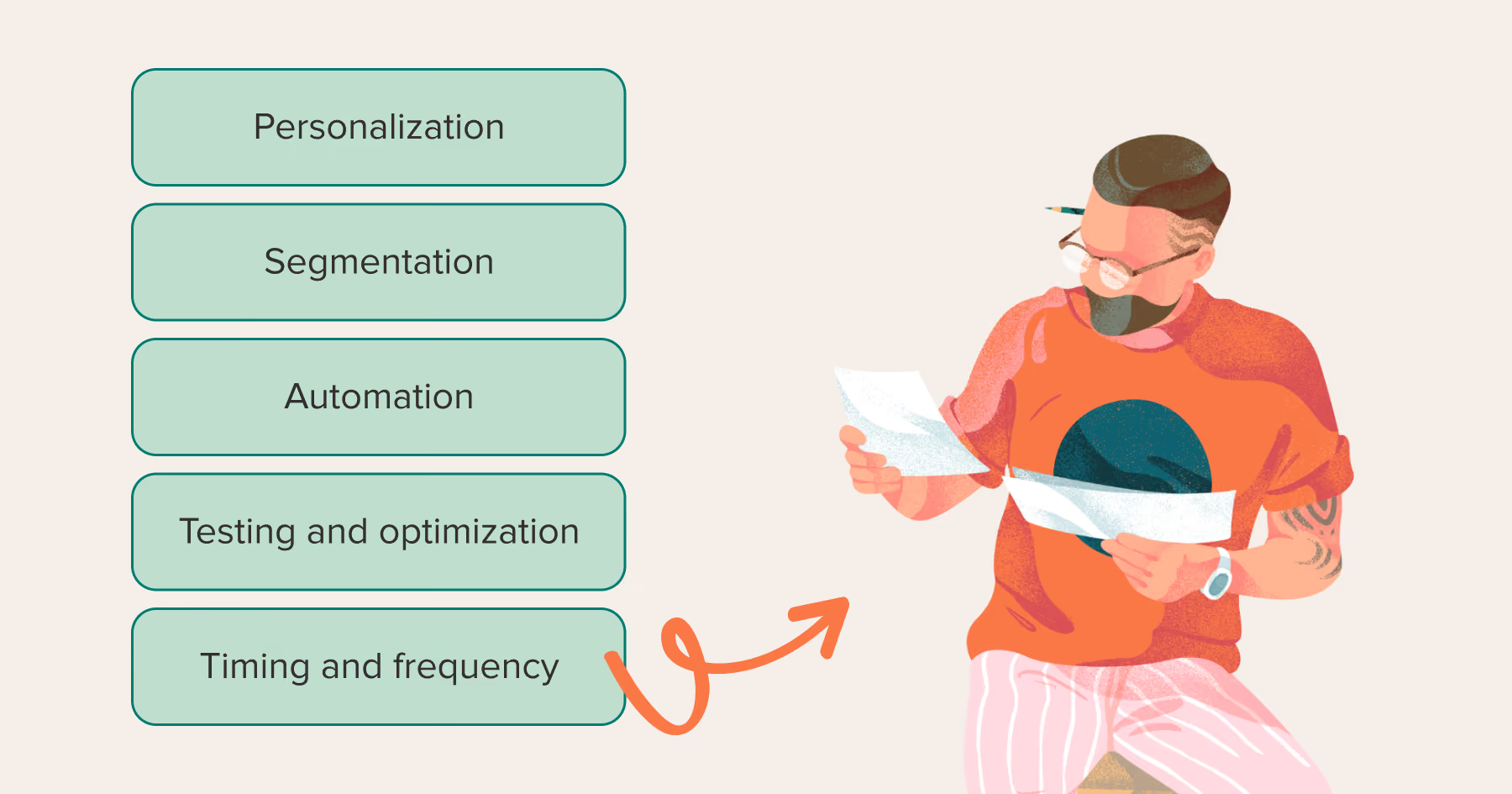
Personalization
Personalization transforms generic last chance emails into targeted communications that belong to individual recipients. Emails with personalized subject lines are 50% more likely to be opened, making this element crucial for campaign success. Beyond including the recipient's name, effective personalization incorporates browsing history, past purchase behavior, and preference data to create highly relevant messaging. This might involve recommending specific products they've viewed, referencing their location for time-sensitive offers, or acknowledging their loyalty status. Advanced personalization can even adjust the urgency level based on the customer's typical decision-making timeline, creating authentic and compelling communications.
Segmentation
Strategic segmentation ensures that last chance emails reach the right audience with appropriately tailored messaging and timing. Different customer segments respond to urgency differently. New subscribers might need education about your brand, while loyal customers may respond better to exclusive offers. Geographic segmentation becomes particularly important for time-sensitive campaigns, ensuring that deadlines align with local time zones. Behavioral segmentation can identify customers who typically need multiple touchpoints before purchasing, allowing you to adjust your urgency tactics accordingly. Purchase history segmentation helps determine which products or categories to emphasize in last chance communications for maximum relevance.
Automation
Automation plays a crucial role in delivering last chance emails at exactly the right moment. Platforms like Klaviyo email marketing enable brands to set up triggers based on customer behavior, such as abandoned carts, browsing activity, or nearing the end of a sale. This ensures that the last chance message reaches the right audience when urgency is highest, without manual intervention.
Testing and optimization
Continuous testing and optimization ensure that your last chance emails deliver maximum impact and avoid fatigue among your audience. A/B testing different subject lines can reveal which urgency phrases resonate most strongly with your specific audience segments. Testing email send times helps identify when your customers are most likely to engage with urgent communications. Content testing might compare different scarcity messages, countdown timer formats, or call-to-action placements to optimize performance. A/B testing can increase your email marketing ROI by as much as 37%, making this optimization crucial for last-chance campaigns.
Timing and frequency
Proper timing and frequency management prevent urgency fatigue while maximizing the impact of your last chance communications. The timing of these emails should align with natural shopping behaviors and your audience's engagement patterns. Sending too many last chance emails can diminish their effectiveness and damage your brand credibility, while sending too few may miss opportunities to convert interested prospects. Consider the customer journey stage when determining frequency. Someone who abandoned a cart may need a different urgency timeline than someone browsing your website. The key is finding the balance between creating legitimate urgency and maintaining trust with your audience.
When to send last chance emails
End-of-sale campaigns
End-of-sale campaigns represent the most natural opportunity for last chance communications, as they create genuine scarcity around expiring discounts or promotions. These emails should be sent at strategic intervals leading up to the sale conclusion, typically including a series that builds urgency over time. The 48-hour mark often proves effective for the first last chance email, followed by additional messages at 24 hours, 6 hours, and sometimes even 1 hour before expiration. The messaging should evolve from gentle reminders to urgent communications as the deadline approaches. Success depends on creating authentic urgency while providing clear value propositions that justify immediate action.
Low-inventory alerts
Low-inventory alerts create natural scarcity by highlighting genuine product limitations that customers can verify. These messages work particularly well for popular items or limited-edition products where stock depletion is expected and authentic. The key is accuracy; false scarcity claims can damage brand trust and credibility long-term. Effective low-inventory emails specify exact quantities when possible ("Only 3 left in stock") or use percentage-based messaging ("75% sold out"). These communications should trigger automatically when inventory reaches predetermined thresholds and include direct links to facilitate immediate purchasing.
Product discontinuation notices
Product discontinuation notices represent perhaps the most powerful form of last chance email, as they communicate permanent scarcity rather than temporary urgency. These messages should explain the reason for discontinuation when appropriate and emphasize that this represents the final opportunity to purchase. The emotional appeal often focuses on regret avoidance, helping customers understand what they'll lose by not acting rather than what they'll gain by purchasing. Timeline clarity becomes crucial, with specific end dates and clear communication about when the product will no longer be available. Consider offering bundle deals or quantity discounts to maximize revenue from discontinued inventory.
How to write a high-converting last chance email
Get straight to the point
Effective last chance emails eliminate unnecessary information and focus immediately on the urgent opportunity at hand. Recipients should understand within the first few seconds what they might miss and why immediate action is necessary. Skip lengthy introductions, detailed product descriptions, or complex explanations. Lead with the most compelling benefit and the clearest deadline, then support these key points with minimal additional information. The entire email should feel streamlined and focused, with every element supporting the primary call to action.
Use bold, attention-grabbing subject lines
Subject lines serve as the first and most critical point of contact with your urgent message, requiring bold language that cuts through inbox clutter. Effective last chance email subject lines combine urgency indicators with specific benefits or consequences. Words like "Final Hours," "Ends Tonight," or "Last Call" immediately communicate time sensitivity. Including specific numbers or percentages can add credibility (like "72 Hours Left" or "90% Claimed"). However, avoid overused phrases that might trigger spam filters or create skepticism among recipients.
Emphasize scarcity
Scarcity messaging transforms abundance into rarity, making products or opportunities feel more valuable and desirable. Effective scarcity emphasis uses specific numbers rather than vague language. "Only 12 units remaining" is more compelling than "Limited quantities available." Visual elements like progress bars or countdown timers can strongly support scarcity messages. The key is ensuring your scarcity claims are accurate and verifiable, as false scarcity can damage long-term customer relationships and brand credibility.
Keep the email content simple
Simplicity in last chance emails ensures that nothing distracts from the primary urgent message and call to action. Use short paragraphs, bullet points, and clear hierarchies to make information easy to scan. Remove secondary offers, detailed product info, or complex navigation that might cause hesitation or delay. The design should guide the eye straight to the key message and call-to-action button. White space is especially important in urgent emails, since cluttered layouts can reduce the clarity of your message.
Use segmentation
Customers who have already purchased should be addressed differently than those who have yet to make a purchase — you could acknowledge that they might want to purchase extra before the sale is over, for example. Or, to avoid fatigue, consider excluding past purchasers of the sale entirely.
Show proof that others love it
Social proof helps build trust in urgent sales messages. Things like customer reviews, testimonials, or photos from real buyers show that others are happy with the product. This makes people more confident to buy. You can also highlight how many people have made a purchase (“127 people bought this today”) or show ratings to make the product seem desirable.
Create a sense of excitement to buy
Excitement generation transforms urgent pressure into something fun and positive, making the purchasing decision feel rewarding rather than stressful. Use enthusiastic language that emphasizes the benefits customers will enjoy rather than focusing on what they might lose. Visual elements like bright colors, dynamic graphics, or celebration imagery can provide positive emotions around the purchase decision. Frame the opportunity as exclusive or special rather than simply urgent, helping customers feel privileged to receive the offer rather than pressured to respond.
Tell them why they should buy your product
Clear value communication ensures that urgency supports genuine customer benefits. Explain the specific advantages, unique features, or exclusive benefits that make immediate action necessary. Compare your offer to alternatives or highlight the problems it solves to strengthen the logic behind the purchase. Include relevant details about quality, functionality, or outcomes to help customers see why this opportunity deserves their attention now. The goal is to make urgency feel like helpful guidance, instead of pressure.
Add a ticking clock to drive action
Countdown timers are a great way to show urgency and get people to act fast. They work best when they show real-time info that customers can trust. Make sure the timer is easy to see and clearly explains what happens when time runs out. Use hours and minutes for short deadlines, and days for longer deadlines. Most importantly, always use real deadlines to keep your brand honest and build trust.
Key takeaways
Effectively using last chance emails can transform how ecommerce brands drive sales and engage with their customers. These messages create a strong sense of urgency that encourages quick decisions and reduces hesitation. By combining personalized content, targeted segmentation, well-tested subject lines, and precise timing, businesses can unlock the full potential of last chance emails to boost conversions.
If you want to take your email marketing campaign management to the next level and see real growth through last chance emails, Growth Gurus is ready to support your journey. As a leading e-commerce email marketing agency, Growth Gurus helps brands create emails that deliver results by using data insights with creative strategies.
Ready to get started? Contact Growth Gurus today and create last chance emails that convert and drive your business forward.
Recent Blog Post


Ready to grow your business?
If you want your business to experience more sales and faster growth, all you need to do is book a meeting with us today.