The power of audience data in email marketing: A beginner’s guide

Audience data is information about your email subscribers that helps you understand their preferences, behaviors, and needs. This data includes demographics, purchase history, website activity, and engagement patterns. By using this information wisely, businesses can create targeted email campaigns that speak directly to different customer groups. The result is higher open rates, better click-through rates, and more sales from email marketing efforts.

The power of audience data in email marketing and how to use it
Email marketing remains one of the most effective digital marketing channels, generating an average return of $42 for every dollar spent. However, sending the same generic message to your entire email list is like shouting into a crowded room and hoping someone listens. The real power comes from understanding your audience and crafting messages that resonate with specific groups of people.
Data-driven email marketing transforms your email campaigns from broad broadcasts into precise conversations. When you know that a customer loves eco-friendly products and shops on weekends, you can send her sustainable product recommendations on Friday afternoons. When you understand that some customers prefer budget-friendly options and shop during lunch breaks, you can send them deal alerts on Tuesday mornings.
This email marketing campaign management approach involves collecting, analyzing, and acting on audience data. While it might seem overwhelming at first, the process becomes simpler when you break it down into manageable steps. The key is starting with basic information and gradually building more detailed customer profiles over time.
Understanding audience data: What it is and why it's important
Audience data encompasses all the information you collect about your email subscribers. This includes basic details like names and email addresses, demographic information such as age and location, behavioral data like purchase history and website visits, and engagement metrics including email opens and clicks.
Think of audience data as a roadmap to your customers' minds. Without it, you're driving blindfolded. With it, you can navigate directly to what matters most to each subscriber. This data reveals patterns and preferences that help you predict what your audience wants to see in their inbox.
The importance of audience data becomes clear when you consider email marketing statistics. Segmented email campaigns can increase revenue by up to 760% compared to non-segmented campaigns. This dramatic improvement happens because relevant messages generate higher engagement, leading to more conversions and customer loyalty.
Quality audience data also helps you avoid common email marketing pitfalls. Instead of sending promotional emails to customers who have recently purchased, you can send thank-you messages with care instructions. Instead of promoting winter coats to subscribers, you can focus on weather-appropriate products for their region.
How to make the most of audience data in email marketing
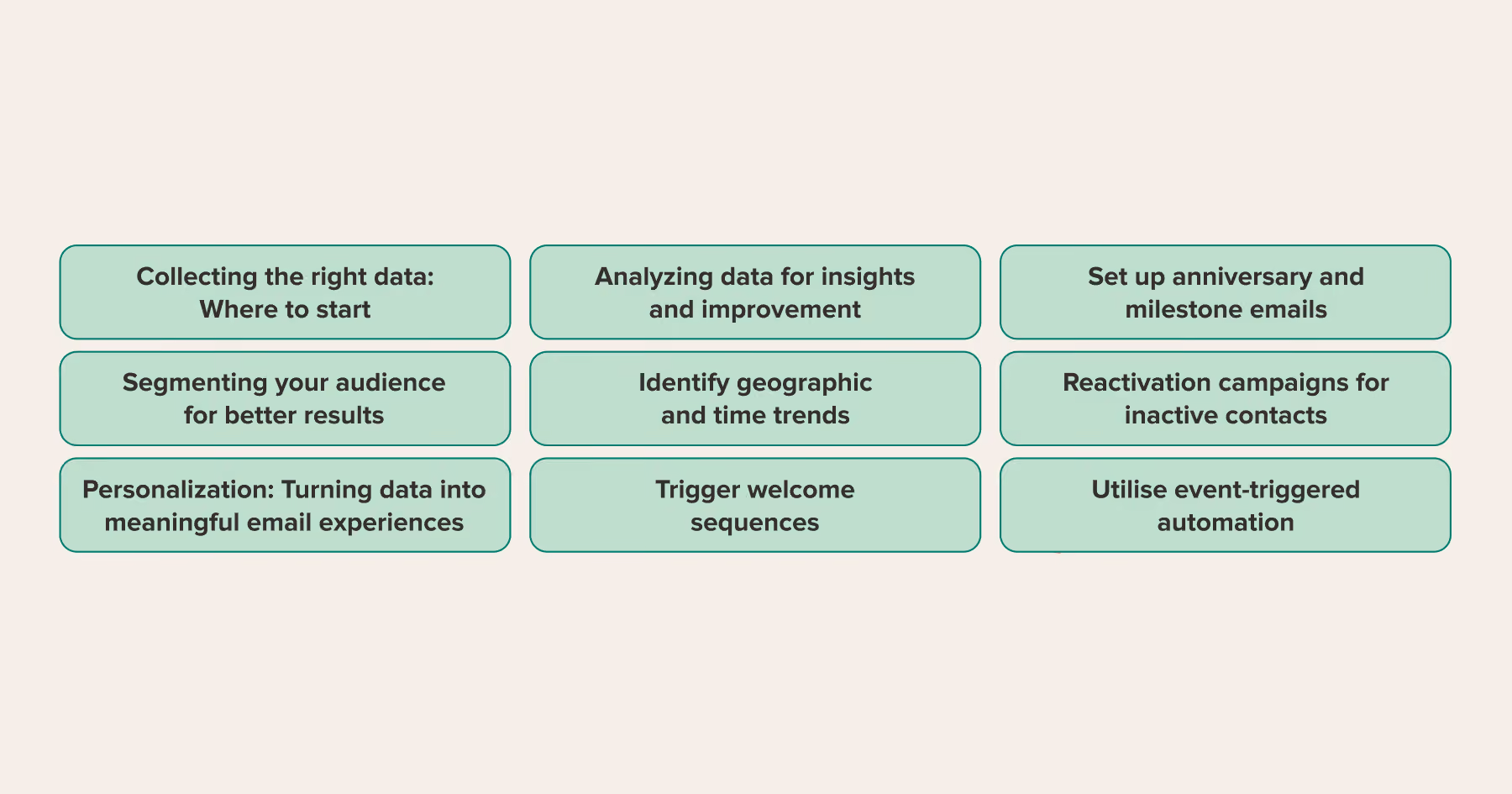
Collecting the right data: Where to start
Start with basic subscriber information and gradually expand your data collection efforts. Focus on gathering information that directly impacts your email marketing decisions rather than collecting data for the sake of having it.
Begin with essential demographic data, including location, age range, and gender when relevant to your products. This basic information helps you understand your audience's general characteristics and preferences. Add purchase history data to track what customers buy, when they buy, and how much they spend.
Website behavior data provides valuable insights into subscriber interests. Track which pages visitors view, how long they stay, and which products they examine. Email engagement data shows how subscribers interact with your messages, including open rates, click patterns, and unsubscribe behavior.
Use signup forms strategically to gather information without overwhelming new subscribers. Ask for one or two additional pieces of information beyond the email address and name. Progressive profiling allows you to collect more data over time through surveys, preference centers, and behavioral tracking.
Segmenting your audience for better results
Email segmentation divides your subscriber list into smaller groups based on shared characteristics or behaviors. This practice allows you to send targeted messages that feel relevant to each group's specific interests and needs.
Start with basic demographic segmentation by dividing subscribers based on location, age, or gender. Geographic segmentation helps you send location-specific promotions and weather-appropriate product recommendations. Age-based segments allow you to adjust messaging tone and product focus for different generational preferences.
Behavioral segmentation creates groups based on how subscribers interact with your brand. Segment by purchase frequency to identify your most loyal customers and occasional buyers. Create segments based on product categories purchased to send relevant cross-selling recommendations.
Engagement-based segmentation helps you handle different levels of email activity. Highly engaged subscribers can receive more frequent emails and exclusive offers. Moderately engaged subscribers might need different subject lines or send times to improve their engagement. Low-engagement subscribers require reactivation campaigns to maintain list health.
Personalization: Turning data into meaningful email experiences
Personalization uses audience data to create unique email experiences for individual subscribers. Beyond adding names to subject lines, email marketing involves tailoring content, timing, and offers based on subscriber preferences and behaviors.
Dynamic content allows you to show different products, images, or messages within the same email template based on subscriber data. A clothing retailer might show winter jackets to subscribers in cold climates while displaying summer dresses to those in warmer areas, all within the same email campaign.
Product recommendations become powerful when based on purchase history and browsing behavior. Recommend complementary products to recent purchasers or suggest similar items to browsers who haven't bought yet. Use abandonment data to send timely reminders about products left in shopping carts.
Timing personalization sends emails when subscribers are most likely to engage. Use engagement data to identify optimal send times for different subscriber groups. Some customers check their email in the morning, others prefer afternoon or evening messages.
Analyzing data for insights and improvement
Regular data analysis reveals patterns and opportunities for email marketing improvement. Look beyond basic metrics like open rates and click-through rates to understand subscriber behavior and campaign effectiveness.
Track email open rates across different segments to identify which groups engage most with your messages. According to the email marketing benchmarks, a good email open rate varies by industry, but the average across all industries hovers around 21.5%.
Analyze click patterns to understand which content resonates with different audience segments. Look at the specific links subscribers click and the actions they take after clicking. This information helps you optimize email content and calls-to-action for better results.
Monitor unsubscribe rates and spam complaints to identify potential issues with your messaging or frequency. Rising unsubscribe rates might indicate that certain segments receive too many emails or irrelevant content.
Identify geographic and time trends
Geographic data helps you understand regional preferences and seasonal patterns that impact email marketing effectiveness. Subscribers in different locations may respond differently to products, messaging styles, and promotional offers.
Track performance metrics by geographic region to identify trends and opportunities. Northern regions might show higher engagement with winter product promotions, while southern areas respond better to year-round offerings. Urban subscribers might prefer different products or messaging compared to rural customers.
Time zone data ensures your emails arrive at optimal times regardless of subscriber location. Sending emails at 10 AM Eastern Time might work well for East Coast subscribers, but it arrives too early for West Coast recipients. Use audience data to schedule sends based on subscriber time zones.
Seasonal behavior patterns emerge from analyzing purchase history and engagement data over time. Some subscribers increase email engagement during holiday seasons, while others become less active. Understanding these patterns helps you adjust email frequency and content throughout the year.
Trigger welcome sequences
Welcome email sequences introduce new subscribers to your brand and set expectations for future communications. Use signup data and source information to customize welcome messages for different subscriber types.
New subscribers who join through product pages might receive welcome sequences focused on those specific products. Subscribers who sign up for newsletters might get a content-focused welcome series. Those who join during sales events could receive discount-focused sequences.
Progressive profiling within welcome sequences helps you gather additional audience data while providing value. Ask subscribers about their preferences, interests, or purchase intentions through engaging surveys or preference centers built into welcome emails.
Track welcome sequence performance to understand which messages resonate with different subscriber segments. Adjust content, timing, and calls-to-action based on engagement data to improve the new subscriber experience.
Set up anniversary and milestone emails
Milestone and anniversary emails celebrate important dates in the customer relationship while encouraging continued engagement. Use customer data to identify purchase anniversaries, account creation dates, and other significant milestones.
First purchase anniversaries provide opportunities to thank customers and encourage repeat purchases. Use purchase history data to recommend related products or offer loyalty rewards. Birthday emails create personal connections when you have birth date information from subscribers.
Account milestone emails celebrate subscriber tenure and engagement. Send special offers to subscribers who have been on your list for six months or a year. Recognize customers who reach spending milestones with exclusive perks or early access to sales.
Track milestone email performance across different customer segments to understand which types of celebrations generate the best response. Some customers prefer discount offers, while others value early access or exclusive content.
Reactivation campaigns for inactive contacts
Inactive subscriber reactivation helps maintain list health and recover potentially valuable customers. Use engagement data to identify subscribers who haven't opened or clicked emails in specific timeframes.
Create reactivation campaigns that acknowledge the lack of recent engagement and offer incentives to re-engage. Ask inactive subscribers about their preferences or email frequency preferences. Provide options to update their email preferences instead of unsubscribing completely.
Win-back offers can reignite interest from inactive subscribers who previously made purchases. Use purchase history data to create compelling offers on products similar to their past purchases. Limited-time promotions create urgency that might motivate re-engagement.
Monitor reactivation campaign results to determine which approaches work best for your audience. Some inactive subscribers respond to discount offers, while others prefer content focused re-engagement attempts.
Utilise event-triggered automation
Event-triggered emails respond automatically to specific subscriber actions or behaviors. These timely messages often generate higher engagement because they arrive when subscribers are most interested in your brand.
Purchase confirmation emails can include personalized product care instructions, related product recommendations, or loyalty program information based on what customers bought. Shipping notifications provide opportunities to suggest complementary products or encourage social sharing.
Browse abandonment emails target subscribers who viewed products without purchasing. Use browsing data to send reminders about specific products viewed, along with related recommendations or limited-time offers, to encourage completion.
Birthday and anniversary automations use subscriber data to send personalized messages on important dates. These emails often generate higher engagement because they feel personal and timely.
Tools and platforms to leverage audience data
Klaviyo
Klaviyo email marketing excels at collecting and using audience data for email campaigns. The platform integrates seamlessly with e-commerce stores to track purchase history, browsing behavior, and customer lifetime value automatically.
Advanced segmentation capabilities allow you to create complex audience groups based on multiple data points. You can segment subscribers who purchased specific products within certain timeframes, live in particular locations, and show specific engagement patterns.
Klaviyo's predictive analytics use historical data to identify customers likely to make repeat purchases or become high-value customers. This information helps you prioritize email marketing efforts and customize messaging for different customer value segments.
The platform's dynamic content features personalize emails automatically based on subscriber data. Product recommendations, content blocks, and even subject lines can change based on individual subscriber preferences and behaviors.
Yotpo
Yotpo specializes in collecting and leveraging customer reviews and loyalty data for email marketing. The platform helps you gather authentic customer feedback and transform it into compelling email content.
Review-based segmentation allows you to target customers based on their review activity and ratings. Send follow-up emails to happy customers asking for social proof, while addressing concerns from customers who left lower ratings.
Loyalty program data integration helps you create email campaigns that reward engaged customers and encourage repeat purchases. Use point balances and tier status to personalize offers and messaging.
User-generated content from Yotpo can be incorporated into email campaigns to build trust and showcase real customer experiences. Reviews and photos from actual customers often generate higher email engagement than traditional marketing content.
Justuno
Justuno focuses on website visitor data collection and pop-up optimization to grow email lists with qualified subscribers. The platform helps you gather zero-party data directly from website visitors through surveys and preference forms.
Exit-intent pop-ups can collect email addresses and preference data from visitors who are about to leave your website. Use this information to send targeted follow-up campaigns based on the products or pages they viewed.
Behavioral targeting creates different pop-up experiences based on visitor actions, referral sources, and demographics. First-time visitors might see welcome offers, while returning visitors could see loyalty program invitations.
Integration capabilities allow Justuno data to flow into your primary email marketing platform for seamless campaign creation and management.
Common mistakes beginners make with audience data
- Many beginners collect too much data without a clear plan for using it effectively. Focus on gathering information that directly impacts your email marketing decisions rather than collecting data because it seems useful. Every piece of data should have a specific purpose in your email marketing strategy.
- Over-segmentation creates too many small audience groups that become difficult to manage effectively. Start with broad segments and gradually create more specific groups as your list grows and you gain experience with data analysis. Segments should be large enough to generate meaningful insights and results.
- Ignoring data quality leads to poor campaign performance and subscriber frustration. Regularly clean your email list by removing invalid addresses and updating outdated information. Verify that your data collection methods capture accurate information from subscribers.
- Failing to test different approaches with your audience data limits your learning and improvement opportunities. Use A/B testing to compare different segmentation strategies, personalization tactics, and email timing. Let data guide your decisions rather than making assumptions about what your audience wants.
- Privacy compliance becomes increasingly important as data collection expands. Ensure your data collection practices comply with regulations like GDPR and CAN-SPAM. Be transparent about how you use subscriber data and provide easy options for customers to control their information.
Conclusion
Audience data transforms email marketing from guesswork into strategic communication that drives real business results. By collecting the right information, segmenting subscribers effectively, and personalizing email experiences, you can create campaigns that resonate with your audience and generate higher engagement.
The key to success lies in starting simple and gradually building data-driven campaigns. Focus on collecting actionable information, creating meaningful segments, and using automation to deliver timely, relevant messages. Regular analysis and optimization ensure your email marketing campaign management continues improving over time.
Growth Gurus specializes in helping e-commerce brands harness the power of audience data for email marketing success. As an experienced e-commerce email marketing agency, we understand how to transform raw data into engaging campaigns that drive growth and customer loyalty. Our expertise in data-driven strategies helps brands connect effectively with their audiences and achieve measurable results from their email marketing efforts.
Recent Blog Post


Ready to grow your business?
If you want your business to experience more sales and faster growth, all you need to do is book a meeting with us today.