The right time to send SMS marketing messages for better results

SMS marketing is a direct way to connect with customers, making it an appealing choice for businesses looking to increase engagement. By sending concise texts at strategic times, brands can bypass crowded inboxes and cut through daily distractions. Careful scheduling ensures you’re not just throwing messages into the void. Instead, you deliver timely content that prompts customers to take immediate action. This blog explores the impact of timing on SMS campaigns and shows you how to craft your messages for optimal results.

What is the best time to send text campaigns for higher engagement?
Many brands wonder if there’s a magic hour or day that guarantees maximum open rates for text messages. While a single universal rule doesn’t exist, data-driven insights can point you in the right direction. Successful campaigns often revolve around customer behavior: when people are on their phones, relaxed, and most likely to read and engage. Timing can also vary by industry, demographic, and even geographic location. By analyzing these elements, you can find the sweet spot where your messages receive the attention they deserve.
Once you’ve identified potential time frames, consider running tests to determine which yields the best open and conversion rates. A/B testing different time slots can offer valuable clues about the behaviors of your specific audience. You’ll discover when they’re most eager to respond and how to structure your texts for even better engagement. This process ensures that your SMS marketing strategy doesn’t rely on guesswork alone but is shaped by real-world data.
What are SMS marketing messages?
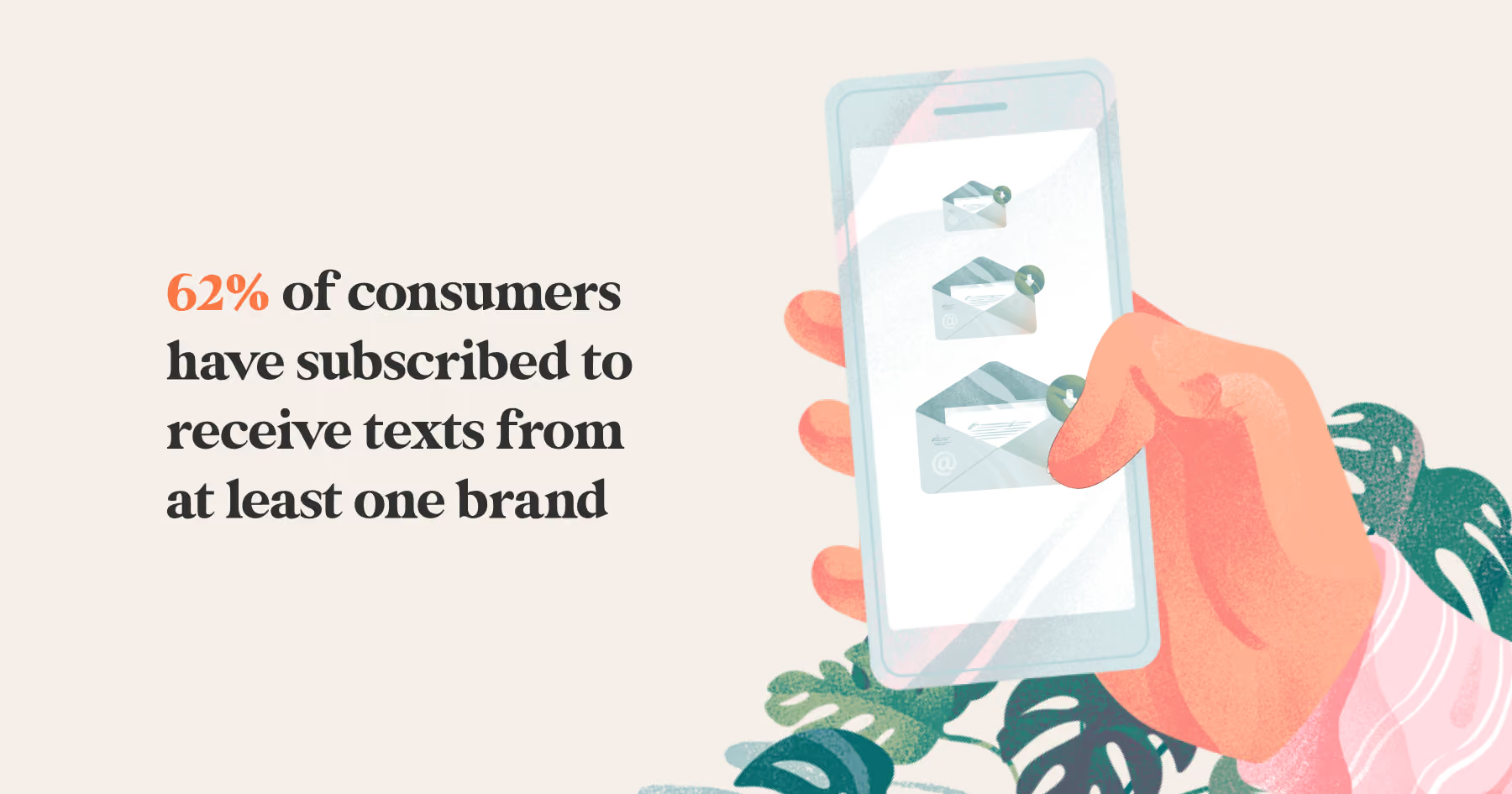
SMS marketing messages are promotional or informational texts sent to subscribers who have opted in to receive updates from your brand. They can include anything from exclusive deals and flash sales to important announcements or shipping confirmations. Text messages typically appear as immediate notifications. Because texts are read so quickly, they offer a nearly real-time way to engage with customers. According to a report by SimpleTexting, 62% of consumers have subscribed to receive texts from at least one brand.
To run an effective SMS marketing campaign, you need explicit permission from your audience. This opt-in can be part of a broader sign-up form or a specific text-based subscription process. Once someone subscribes, your brand has direct access to their phone—an essential point of contact you shouldn’t take for granted. Keeping these messages valuable, relevant, and timely is crucial so your subscribers feel respected and engaged. Over time, well-crafted texts can build trust, drive sales, and foster a sense of community around your brand.
Why SMS marketing matters
Businesses often search for new channels to connect with customers, and SMS marketing offers clear advantages. For one, it has a personal touch. People carry their phones everywhere, and a text message is more likely to be noticed immediately than a social media post. This immediate visibility can lead to faster conversions, as subscribers can click on links or reply within seconds.
Another key benefit is its minimal learning curve. Most individuals are already familiar with texting, so there’s little friction on the user’s end. Additionally, because SMS communications are concise, your messages must be straightforward. This brevity can be advantageous—you quickly convey important details, highlight offers, or prompt specific actions. Lastly, SMS marketing can complement other efforts, such as email or social media, creating an integrated experience that keeps consumers engaged at each touchpoint.
When should you send SMS marketing messages?
Deciding when to send your texts comes down to understanding your audience’s routines and preferences. Mid-morning or mid-afternoon can be ideal for general promotions, as many people check their phones during brief work breaks. Evenings around dinner time can also be effective, provided you’re not too late and risk disturbing subscribers’ downtime. The goal is to catch people when they can read the message and act on it.
Consider what you’re promoting. If your message concerns a lunchtime deal, sending it around 11 a.m. might grab attention before people finalize their meal plans. Thursday or Friday texts can serve as timely reminders if you're announcing a weekend sale. A thorough approach often means segmenting your list and tailoring the delivery times to each group’s habits.
Choose the right time of day to send SMS campaigns
Your audience’s day-to-day schedule will largely dictate your best sending times. Many professionals start their morning commute between 7 a.m. and 9 a.m., while students might be in class. You might skip sending texts during those early, hectic hours to avoid being overlooked. By late morning, phone checks become more frequent as daily routines settle in.
Lunch hour, between 12 p.m. and 1 p.m., can be another high-engagement window because many people take a break and glance at their phones. Mid-afternoon (2 p.m.–4 p.m.) is also worth exploring, especially for time-sensitive promotions. The evening slot, typically after 7 p.m., can be a chance to catch people when they’re more relaxed. However, it’s essential to avoid texting too late and infringing on personal or family time, which might irritate subscribers and lead to unsubscribes.
Find the best day of the week for SMS marketing
Just as the time of day can affect open and conversion rates, the day of the week can also make a difference. Some businesses observe higher engagement on weekdays, especially Tuesday through Thursday when work routines are more predictable. Others report better success on weekends when audiences have more leisure time. The best approach is to study customer segments and run small-scale tests to pinpoint the most responsive days.
Remember that certain days can be particularly fruitful. For retail or e-commerce brands, sending promotional texts midweek can generate anticipation for weekend shopping sprees. Or, if your deal is more weekend-oriented, a Thursday reminder can spark interest for Saturday and Sunday. In addition, watch for behavior patterns around major holidays or paydays, as these can further influence open rates. Experiment until you discover the best day to send SMS marketing messages.

Key calendar days that work best for SMS campaigns
Beyond regular weekdays and weekends, some calendar days hold additional opportunities. Holidays such as Black Friday or Cyber Monday are prime targets for quick-burst sales announcements. Sending an SMS a day or two before these events can generate excitement, while a timely message on the actual day can remind subscribers to act immediately. Other events like Mother’s Day, Valentine’s Day, or the back-to-school season can be equally rewarding, depending on your audience.
Additionally, consider sporting events or cultural festivals if they are relevant to your brand’s offerings. Tailoring your SMS campaigns around these occasions makes your message more appropriate and can increase response rates. For instance, sending a text before a championship match could lead to a surge in last-minute sales if you sell sports memorabilia. The key is to plan and align your SMS strategy with your marketing calendar so that every text feels timely and valuable.
How to automatically send a text at a certain time
Automation tools make it easier to schedule messages at the ideal moment, freeing you from constant manual oversight. Platforms like Klaviyo for SMS marketing allow you to plan and automate campaigns based on triggers, audience behavior, and set schedules. This means you can queue up messages days or weeks in advance, ensuring they hit your audience at the most opportune time.
To get started, you’ll typically upload or sync your subscriber list into the platform. From there, you can segment your audience by purchasing history, location, or engagement level. Then, you’ll create the message flow, deciding which conditions trigger each text and at what time. For instance, a reminder text can be sent a few hours later if someone adds an item to their cart but doesn’t check out. Or, if you want to announce a weekend special product offer, you can schedule a promotional message to go out on Friday evening. Automation saves time and ensures a consistent, well-timed experience for subscribers.
Key things to consider before hitting send
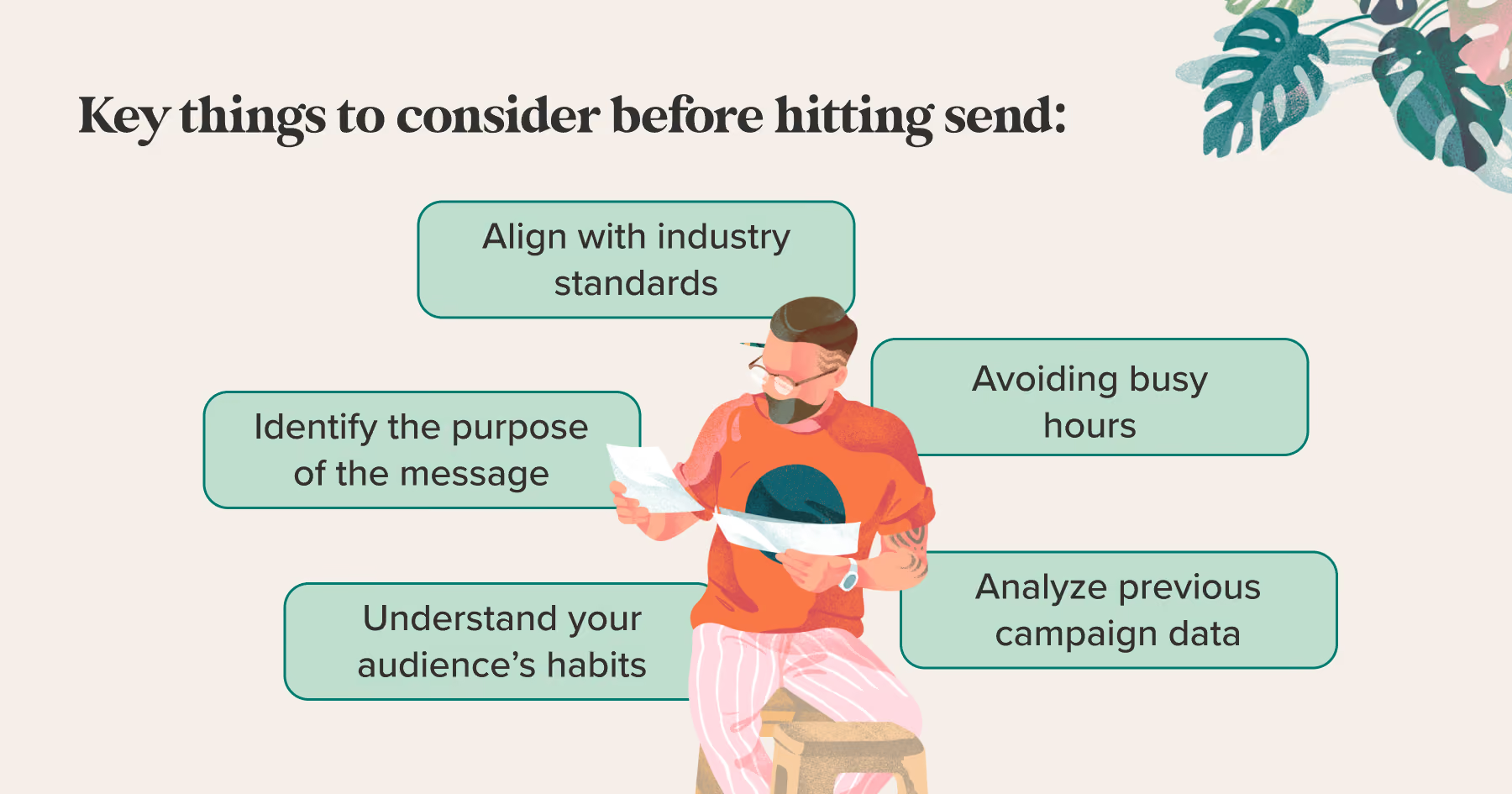
Before launching any SMS campaign, taking a step back and reviewing factors that can determine your success is essential. While timing is crucial, several other elements, such as audience expectations, content relevance, and compliance regulations, come into play. Here’s what to keep in mind as you plan each message:
Understand your audience’s habits
Your subscribers have routines—some check their phones first thing in the morning, while others might be active around lunchtime. Explore your audience’s typical schedule. Conduct surveys or analyze past campaign data to see when they most frequently click through or respond to texts. Understanding their daily patterns helps you fine-tune your sends for a more significant impact.
Identify the purpose of the message
Is your text a simple reminder, a promotional code, or a last-minute announcement? The nature of the content can guide its timing. Urgent messages must be sent immediately, while non-urgent promotions perform better if delivered during less busy hours. Tailor the send time to each message’s objective, whether it’s driving immediate sales or simply keeping your brand top of mind.
Align with industry standards
Different industries have developed their own best practices for SMS timing. In hospitality, for instance, texts might be sent just before typical dining or check-in hours. In the fashion sector, messages might coincide with seasonal collection drops or holiday events. Research your industry’s standard SMS practices or talk to peers to gather insights. Applying well-established norms can be a solid starting point, which you can later refine with your data.
Avoiding busy hours
Your best bet is to avoid sending messages when people are likely to be swamped. Early mornings (before 8 a.m.) often find many individuals trying to start their day, while late afternoons might see them rushing to complete tasks. Similarly, right before major holidays or events might not be the best time to send a general promotional text, as messages can get lost in the shuffle. Aim for a window with enough breathing room for people to notice and act on your SMS.
Analyze previous campaign data
Look at your past campaigns to see what worked and what didn’t. Did you get more conversions on certain days or times? Was there a specific hour that produced lower unsubscribe rates? Reviewing these metrics lets you glean patterns that guide your future campaigns. Continual optimization is key—keep testing different time slots and measure the results for ongoing improvements.
When not to send text marketing messages
While finding optimal times is vital, knowing when to avoid sending texts can be just as crucial. Sometimes, a poorly timed message can harm your brand’s reputation or annoy subscribers. Paying attention to these off-limits windows is part of nurturing a respectful, long-term relationship with your audience.
Late night or early morning hours
Sending texts late at night or early in the morning can backfire. Sleep is a personal time, and being woken by a promotional text can lead to swift unsubscribes. Plan your message schedule to land during more reasonable hours. If you have a global audience, don’t forget to factor in international time zones or use technology that automatically adjusts to each subscriber’s location.
Commuting hours
Though some might check their phone during their commute, not everyone has the opportunity. Your message could be missed in the flurry of boarding trains, catching buses, or navigating traffic. If you want your texts to stand out, send them once people have settled at work or finished their commute, ensuring they can focus on the content.
Sensitive or crisis moments
During times of public crises or highly sensitive events, marketing messages can seem out of touch. Keeping your finger on the pulse of current events helps you avoid sending texts when people may be preoccupied or distressed. In such moments, a poorly timed promotional blast can damage your brand’s reputation.
Tips for creating an effective SMS marketing
Even the perfectly timed message won’t perform well if the content falls flat. Clear, concise, and relevant texts make subscribers feel that each message is valuable. Consider these best practices when crafting your SMS campaigns.
Keep your messages short and straightforward
With limited character space, you must convey the main idea quickly. Use plain language to state your offer or update. This straightforward approach respects your subscribers’ time while providing the essential information they need to take action. If more details are necessary, include a link to a landing page.
Personalize your message whenever possible
Addressing subscribers by name or referencing their previous purchases can boost engagement. Whether you’re congratulating them on their birthday or suggesting products they might enjoy, personalized touches show that you’re paying attention. Even small changes, like inserting a name into the text, can make the interaction feel more human.
Include a clear and actionable call to action (CTA)
Tell your subscribers exactly what you want them to do next. Whether clicking a link or redeeming a code, a strong CTA provides clarity. “Shop Now” or “Buy Today,” are straightforward calls to action that drive immediate results.
Segment your audience for better targeting
Not every message will be relevant to your entire subscriber list. Breaking your audience into smaller groups based on behavior or demographics can vastly improve engagement. For instance, you might send a special offer to frequent customers while sending a “We Miss You” promotion to those who haven’t purchased in a while. Segmenting ensures each subscriber receives texts that resonate with their interests and habits.
Avoid overloading your audience with too many messages
Sending too many messages in a short time frame can lead to fatigue and unsubscribes. While the right frequency varies by industry, moderation is always a safe approach. Observe your open rates and unsubscribe rates to gauge how often your audience wants to hear from you. If your subscribers start to drop off, reduce your send frequency accordingly.
Conclusion
Identifying the right time to send SMS marketing messages can mean the difference between a campaign that flourishes and fizzles out. By understanding your audience’s daily habits, respecting their personal space, and aligning texts with relevant events, you ensure that every message arrives when subscribers are most open to engaging. Tailor your content to be short, clear, and packed with genuine value.
At Growth Gurus, our focus goes beyond timing. As an SMS marketing company for ecommerce brands, we help businesses optimize every stage of the customer journey, including strategy and execution for SMS campaigns. With our expertise, we tailor text marketing services to reach audiences at the best possible moment, driving higher open rates and conversions. Let us craft compelling communications that work hand-in-hand with your SMS marketing strategies. Partner with Growth Gurus and discover how to optimize your business with proven automation tactics and thoughtful customer engagement.
Recent Blog Post


Ready to grow your business?
If you want your business to experience more sales and faster growth, all you need to do is book a meeting with us today.