Why baby brands have unique retention challenges

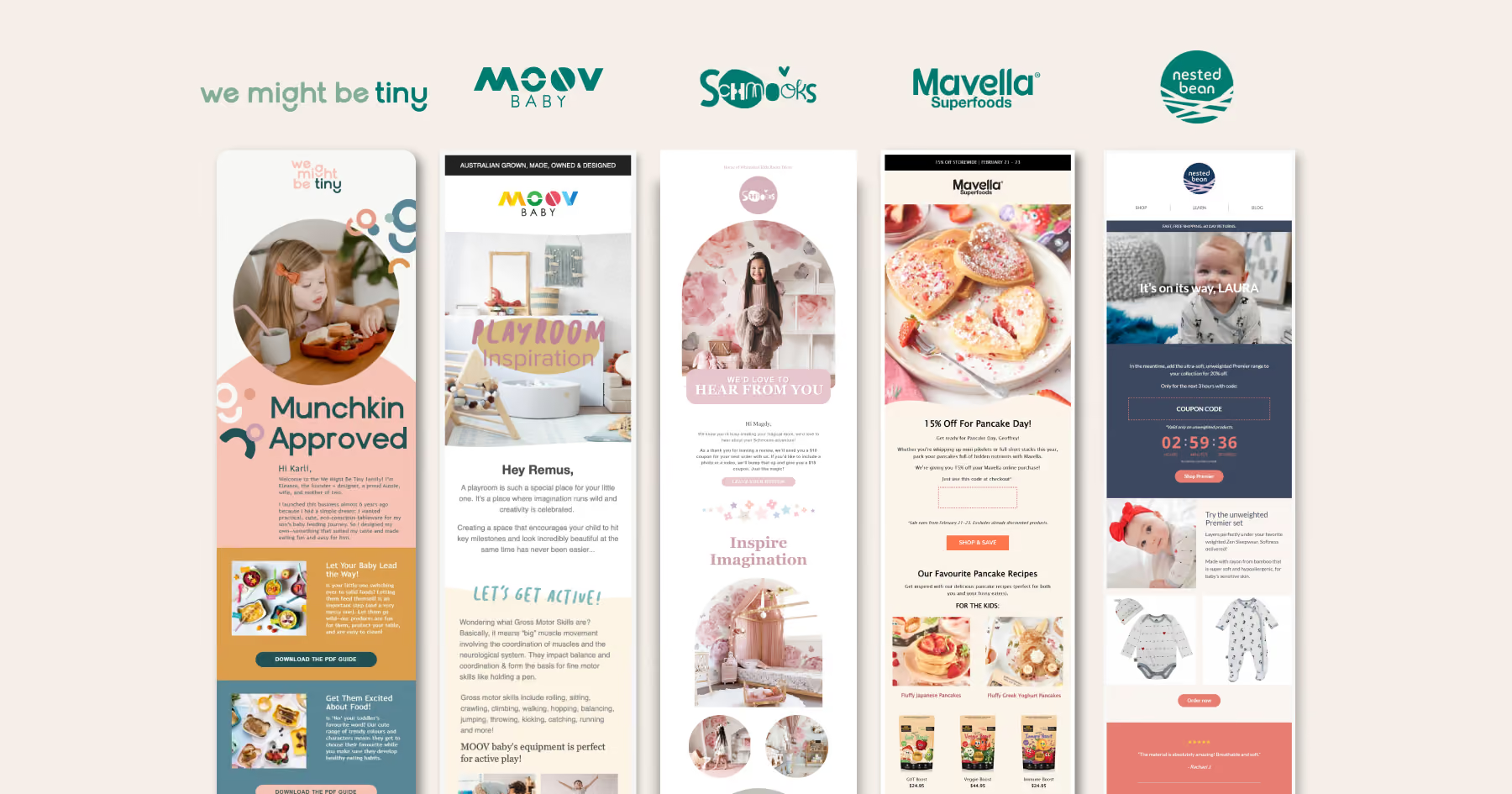
Baby brands face unique retention challenges because parents are buying during a fast-changing life stage where they quickly need a new size, a replenishment reminder, or a next-stage product: the first purchase is only the beginning. Informed by our work across the baby industry, where we’ve helped our clients grow more than 160%, we explain why baby brand retention can be challenging, how parent buying behavior changes over time, and how email and SMS can help brands stay useful and encourage repeat purchasing behavior after the first order.

What makes baby brand retention challenging
Baby products are often tied to a specific moment in the child’s growth. Newborn clothing, swaddles, small diapers, bottles, pacifiers, early feeding tools, teething products, and developmental toys all have limited windows of use.
That creates a retention challenge: the same product may not stay relevant for long. A parent who bought a newborn item may soon need a larger size, a next-stage product, or a different type of support.
This is where a clear repeat purchase strategy becomes important. Baby brands need to anticipate the customer’s next need and show them a clear path to purchase, instead of waiting for them to search for it (which might lead them to purchase from another brand).
Parents need confidence before they buy again
Trust plays a major role in baby purchases. Parents are making decisions for a child’s comfort, safety, and daily care. They may compare ingredients, materials, age suitability, reviews, sizing, certifications, and return policies before placing an order.
A thoughtful customer retention strategy should reassure parents that their products are the best fit for their child’s needs. This can include clear product education, practical care instructions, delivery updates, sizing guidance, ingredient details, and easy customer support.
When the first purchase experience feels reliable, parents are likely to feel comfortable returning. If the experience creates confusion or doubt, that customer may move to another brand when they’re looking for their next purchase.
New parents are busy and often overwhelmed
New parents are very busy, often managing changing sleep schedules, feeding routines, product research, family advice, and daily care decisions at the same time. That reality changes how baby brands should communicate.
For brands marketing to new parents, the message should feel calm, clear, and easy to act on. Long explanations, aggressive promotions, or too many choices can create friction. Short guides, simple comparisons, clear next steps, and reassuring language can make the buying experience easier.
Why baby brands need stage-based customer journeys
Baby brand customers rarely stay in one buying stage for long. A customer who first buys a newborn product may soon be thinking about daily routines, feeding, travel, hygiene, sleep, or early development for their next purchase.
Customer lifecycle marketing helps brands plan their communication around those shifts. Instead of treating every customer the same, brands can organize messages around their relationship, the products purchased, and the child’s likely life stage and predicted needs.
A stage-based journey gives each message a clearer role. One message may build confidence after the first order, another may introduce a related category, and another may bring back a customer who has stopped engaging. The goal is to create a practical path that feels useful instead of sending disconnected promotions.
Segmentation matters for baby brands
Baby brands often serve different types of shoppers at the same time. Some customers are parents buying everyday essentials. Others may be grandparents, friends, relatives, baby shower guests, or occasional gift buyers.
In baby brand marketing, segmentation helps brands understand why someone is shopping and what kind of message may feel relevant next. Brands can look at order history, purchase frequency, product category, subscription status, email engagement, and gift-buying patterns to decide how each customer should be approached.
Subscription products need flexibility
Many baby products are purchased repeatedly. Diapers, wipes, baby wash, skincare, feeding supplies, and wellness-related products can all support subscription models.
Still, subscription retention can be challenging because babies grow and routines change. A parent may need a new diaper size, a different delivery schedule, or a temporary pause. If the subscription feels difficult to manage, the customer may cancel instead of adjusting it.
Baby brands can improve the experience by making subscription changes simple and easy. Renewal reminders, size updates, pause options, SMS alerts, and easy account links can help parents stay subscribed with less friction.
Product education can support repeat buying
Parents often want to understand how a product fits into daily care. They may need to know when to use it, how to clean it, what stage it supports, and why it may be helpful.
Strong baby product marketing should answer these questions. Clear and effective product pages, email flows, guides, and SMS reminders can all help parents feel prepared.
Education is especially useful for products tied to sleep, feeding, skin sensitivity, development, or safety. When parents understand the product better, they are likely to choose correctly, use it confidently, and return when their next need appears.
Baby e-commerce depends on timing
The baby products e-commerce experience is often driven by urgency, so timing can make a major difference. Email and SMS help brands send reminders, delivery updates, back-in-stock alerts, and product suggestions when they are most useful.
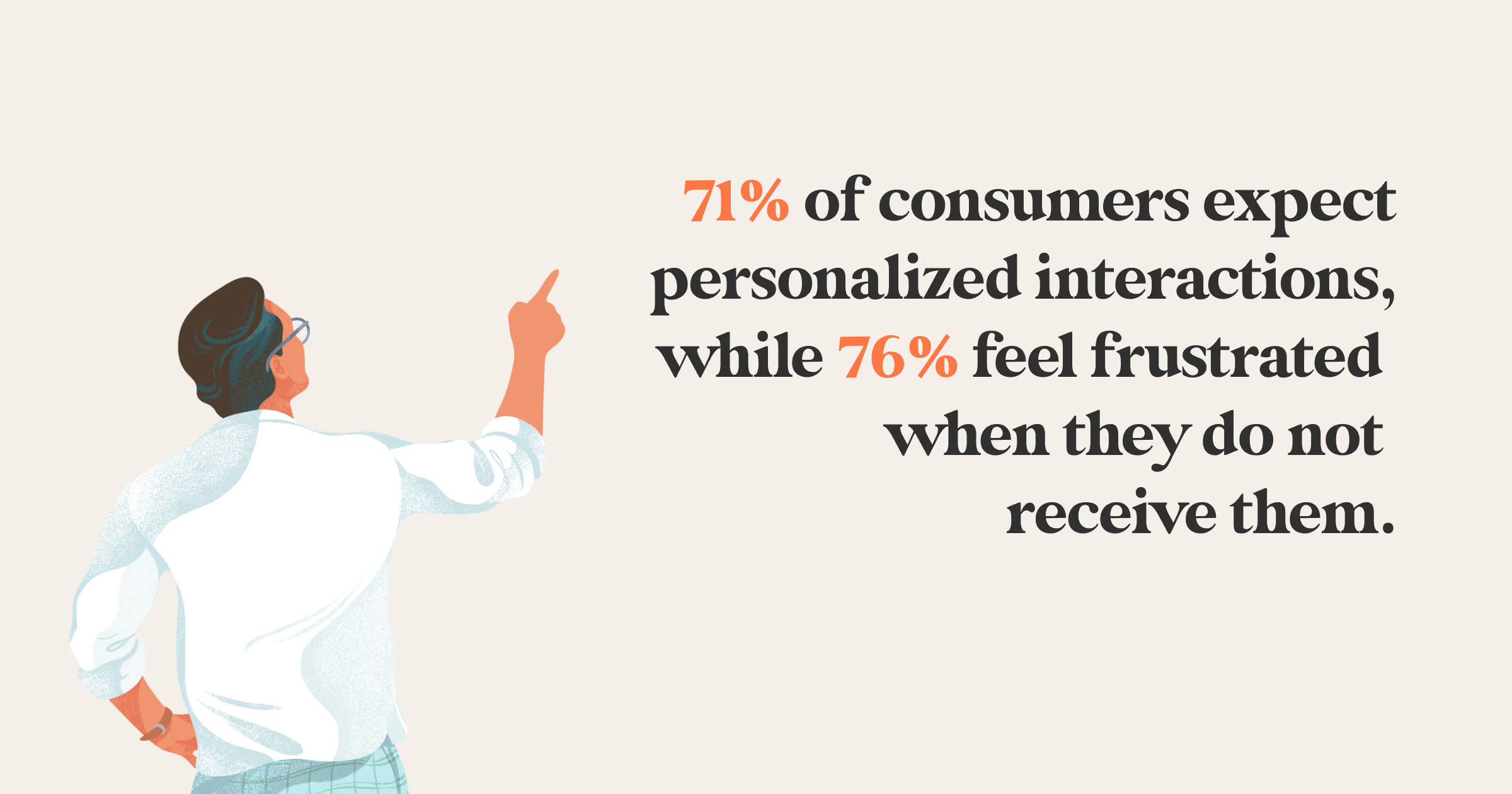
This is also where personalization becomes important. 71% of consumers expect personalized interactions, while 76% feel frustrated when they do not receive them. For baby brands, that expectation can be even more important because parents need messages that reflect their child’s development stage, product needs, and buying timeline.
Retention should stay useful between purchases
Baby brands need a retention strategy that feels useful between purchases. With the right e-commerce retention marketing approach, brands can stay relevant in a parent’s journey.
Helpful retention campaigns may include:
- Replenishment reminders based on likely usage
- Size transition emails
- Age-stage product recommendations
- Subscription renewal alerts
- Post-purchase education
- Review requests after product use
- Win-back campaigns based on past purchase categories
How Growth Gurus can help your baby brand improve retention
Baby brand retention can be difficult to manage because customer needs change quickly. Experienced e-commerce retention professionals like Growth Gurus can help baby brands build a clearer email and SMS system around timing, behavior, and product stages.
We support baby brands in:
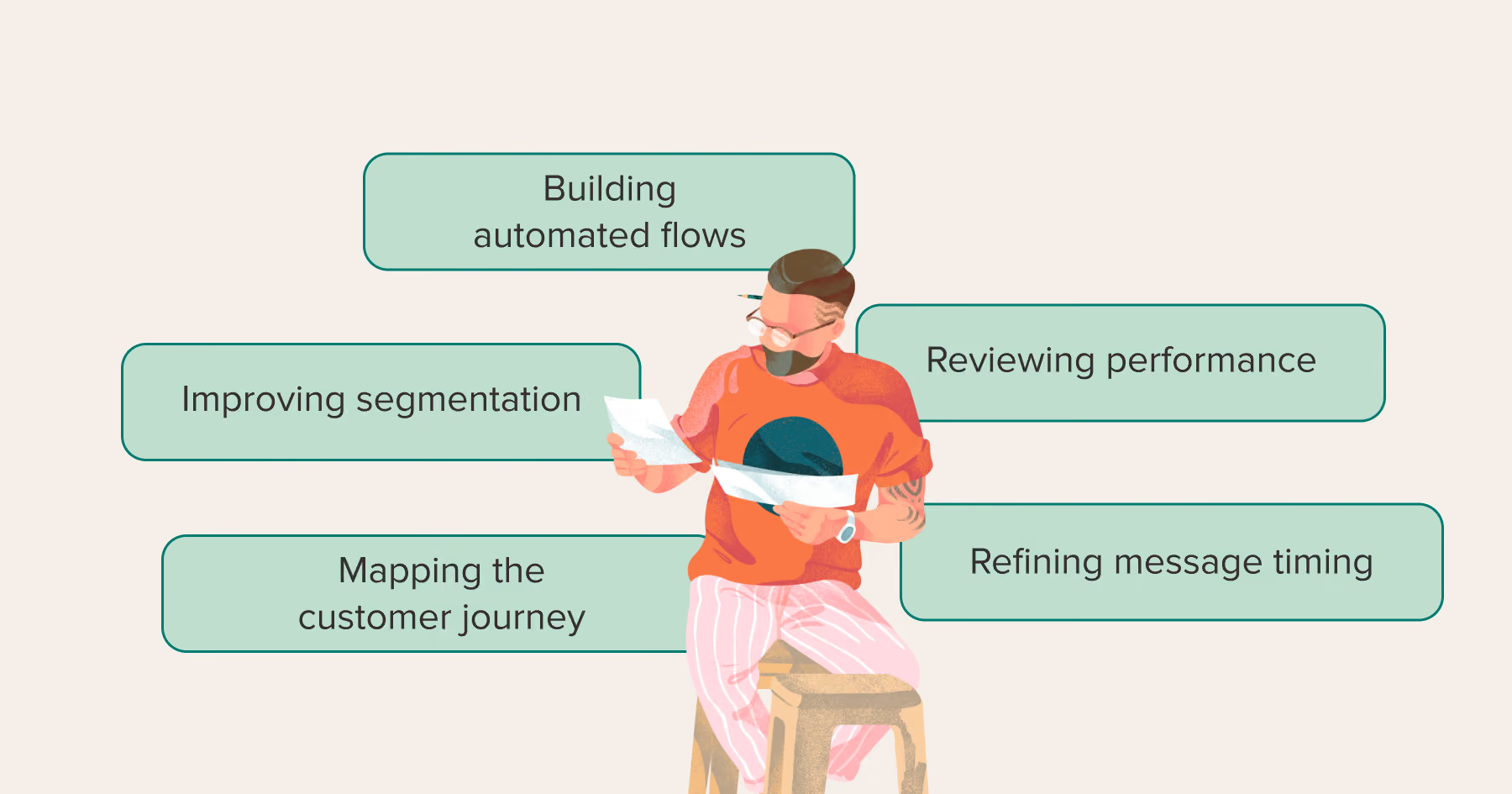
- Mapping the customer journey: Identifying what parents may need after the first purchase, from replenishment reminders to stage-based product suggestions.
- Improving segmentation: Crafting segments for new parents, gift buyers, repeat customers, and inactive shoppers can make each message more relevant for your audience.
- Building automated flows: Email and SMS flows can be created for welcome journeys, post-purchase education, subscription reminders, size changes, and reactivation.
- Reviewing performance: Reporting can show where customers engage, where they drop off, and which campaigns are helping support repeat purchases, allowing effective data-led optimization of the overall strategy.
- Refining message timing: Professionals can help brands avoid sending too many messages while making sure important reminders arrive when parents are most likely to need them.
Growth Gurus supports e-commerce brands with email and SMS marketing systems that help create a smoother path from first purchase to the next relevant order.
Final thoughts
Baby brands have unique retention challenges because their customers are constantly moving into new needs. Products are often stage-based, buying windows are short, and trust affects every decision.
The brands that retain customers are the ones that stay helpful after the first order. They use email, SMS, automation, segmentation, and product education to guide parents toward what they may need next.
With the right retention plan, baby brands can turn short product windows into stronger customer relationships and steadier long-term growth.
Frequently asked questions
Why is retention harder for baby brands?

Retention is harder because babies outgrow needs quickly. Brands must stay relevant as parents move from one stage, size, or routine to another.
How can baby brands increase repeat purchases?
Baby brands can increase repeat purchases through timely reminders, subscription updates, product education, stage-based recommendations, and personalized email and SMS campaigns.
Why is trust important for baby product brands?
Trust matters because parents choose baby products carefully. Clear information, reliable delivery, helpful support, and consistent quality can encourage them to buy again.
What emails work well for baby brands?
Useful email flows include welcome emails, post-purchase education, replenishment reminders, size transition messages, product care guides, review requests, and reactivation campaigns.
How can SMS support retention for baby brands?
SMS can support retention through timely reminders, subscription alerts, delivery updates, restock prompts, and short product suggestions. It works best when messages are relevant and easy to act on.
Recent Blog Post


Ready to grow your business?
If you want your business to experience more sales and faster growth, all you need to do is book a meeting with us today.