Why triggered emails are key to maximizing holiday sales and engagement

Triggered emails help e-commerce brands increase holiday sales and customer engagement by sending personalized, timely messages based on real shopper actions, like cart abandonment, product views, or purchases. These automated emails reach shoppers when intent is highest, leading to stronger conversions, higher revenue, and long-term customer loyalty.

How Triggered Emails Boost Holiday Sales and Customer Engagement
For e-commerce brands, the holiday season represents months of preparation, strategy, and creativity, all aimed at one major goal: driving sales. Yet, with inboxes overflowing and customers juggling dozens of promotions, breaking through the noise is harder than ever. This is where triggered emails deliver real impact.
Triggered emails are messages automatically sent based on a customer’s behavior or specific event. Instead of sending bulk promotions to everyone, these messages speak directly to what each shopper is doing and feeling in the moment.
During the holiday rush, when every second counts, these personalized emails can make all the difference. They help brands stay relevant, build trust, and guide shoppers toward completing a purchase.
What are triggered emails?
Triggered emails are automated messages that activate based on real-time customer actions. They’re designed to connect at key moments in the buying journey without requiring manual effort from marketers.
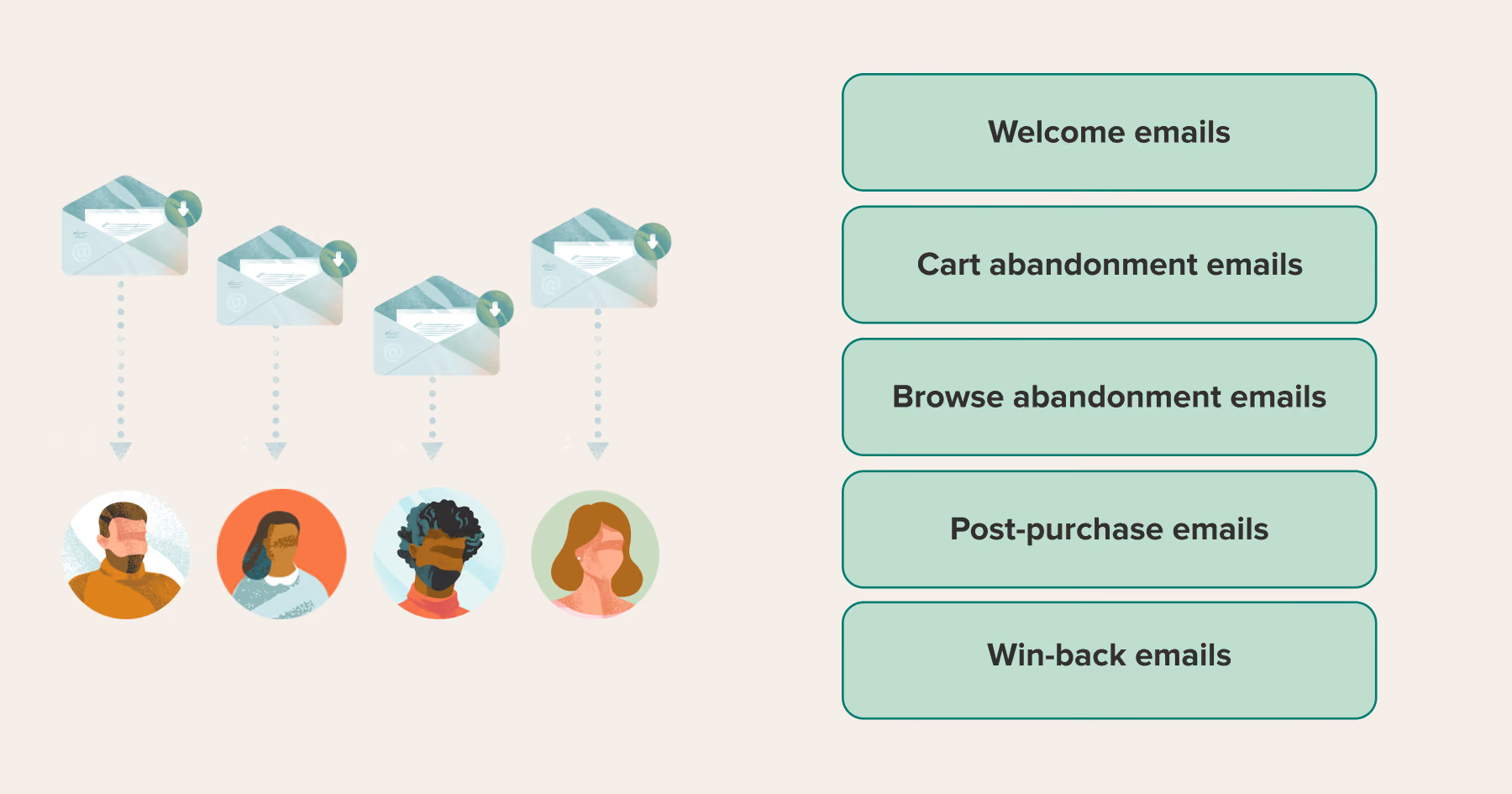
Some common types include:
- Welcome emails: Sent when someone signs up for your list. They set expectations, introduce your brand, and sometimes include a first-purchase discount.
- Cart abandonment emails: Remind shoppers about items they left behind, often featuring images, prices, or limited-time offers.
- Browse abandonment emails: Re-engage visitors who viewed products but didn’t add anything to their cart.
- Post-purchase emails: Thank buyers, suggest related items, or ask for reviews.
- Win-back emails: Target inactive customers with reasons to re-engage.
Unlike traditional email blasts, triggered messages are hyper-relevant and perfectly timed. They rely on real-time behavior, like clicks, purchases, or site visits, to decide who receives what and when.
Why triggered emails matter most during the holidays
The holiday season is the busiest and most competitive time of year for e-commerce brands. Every business is sending promotions, discounts, and special offers, making it harder for any single message to stand out. Triggered emails help cut through the noise by speaking directly to what customers care about, at the exact right moment.
Here’s why they matter most during the holidays:
- They connect with real intent: Triggered emails are based on customer actions, like adding an item to a cart, signing up for a list, or viewing a product. Each message is personalized and sent when a shopper’s interest is highest.
- They recover lost sales opportunities: Many shoppers browse or fill carts but don’t complete their purchase. Automated reminders bring them back, turning abandoned sessions into sales.
- They create a sense of timeliness: During the holiday rush, customers are busy and distracted. Triggered emails help keep your brand relevant by reminding them of what they wanted when it matters most.
- They drive higher conversions: Personalized, event-based messages typically see better open and click rates.
- They save time for marketing teams: Once automation is set up, triggered campaigns work continuously in the background, driving engagement while your team focuses on bigger campaigns.
- They strengthen the customer relationship: Well-timed, relevant communication builds trust and loyalty. Customers feel seen, valued, and more likely to buy again.
Triggered emails make every message count. Instead of adding to the holiday noise, they deliver useful, timely, and personalised experiences that lead directly to stronger sales and engagement.
How triggered emails build customer engagement
Holiday shoppers expect brands to understand them. Triggered emails help create that connection by personalizing the experience.
- They respond to real actions: Instead of guessing what customers want, triggered emails respond to their actions, such as viewing a product or completing an order.
- They keep the brand top-of-mind: With inboxes full of offers, a timely email can remind a shopper why they considered your brand in the first place.
- They nurture post-purchase relationships: After the sale, follow-up messages can include product care tips, upsells, or loyalty rewards, encouraging repeat business long after the holidays.
When every interaction feels relevant, shoppers engage more often and stay connected longer.
The psychology behind triggered emails
Triggered emails work because they tap into core psychological triggers that influence buying decisions.
- Reciprocity: Offering value first (like a discount or gift guide) encourages customers to give back through a purchase.
- Urgency: Limited-time offers or stock alerts create a fear of missing out, motivating faster decisions.
- Consistency: Once someone takes an action (like adding an item to their cart), they’re more likely to complete the process when reminded.
- Personal relevance: People pay more attention when something feels directly tied to their own actions or preferences.
This emotional connection makes triggered emails persuasive than batch promotions.
Best-performing triggered emails for holiday campaigns
Some triggered emails perform especially well during the holidays because they align perfectly with customer behavior and timing.
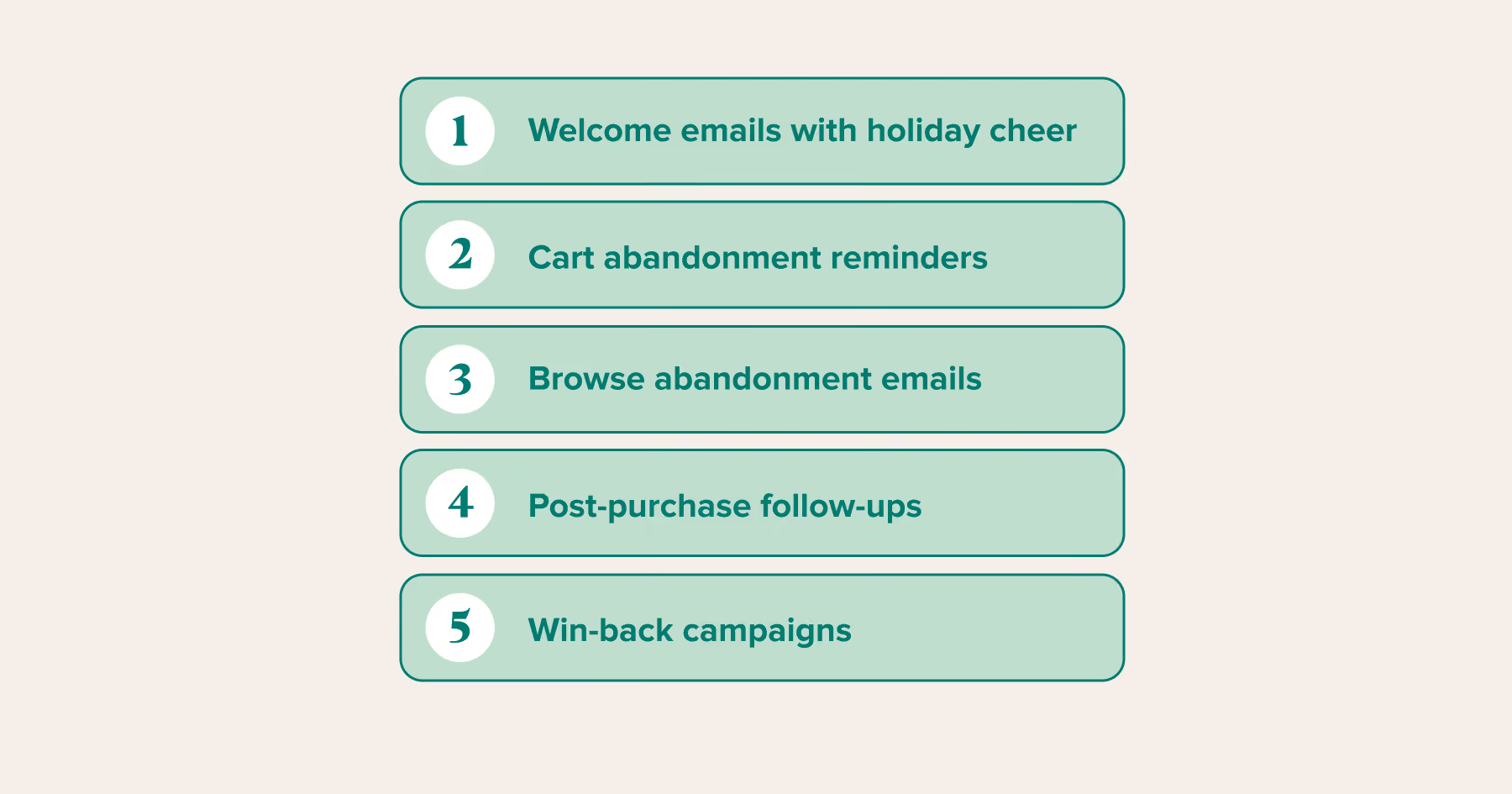
1. Welcome emails with holiday cheer
First impressions count. During the holidays, new subscribers are often motivated to shop quickly. Welcome emails that blend festive visuals with a special offer can turn curiosity into a first sale.
Include:
- A friendly greeting from your brand.
- A small discount or exclusive offer.
- Clear instructions for how to start shopping.
2. Cart abandonment reminders
Cart abandonment spikes during holiday shopping. Shoppers get distracted or compare prices elsewhere. Automated reminders help bring them back.
You can:
- Show the exact product image and price.
- Offer free shipping or a small discount.
- Add urgency with “limited stock” or “offer ends soon” messaging.
3. Browse abandonment emails
For visitors who browse but don’t add items to their cart, these emails remind them what caught their eye. They’re subtle but effective, often sparking curiosity again.
4. Post-purchase follow-ups
After checkout, customers are still engaged. A simple thank-you message can strengthen the relationship. Including recommendations or holiday gift guides can encourage another purchase.
5. Win-back campaigns
Once the holidays pass, triggered win-back emails can re-engage seasonal buyers. These might include loyalty perks or sneak peeks at new collections to stay connected into the new year.
The power of automation in triggered emails
Triggered emails thrive on automation. Once set up, they operate continuously, responding instantly to customer behavior. This efficiency makes them ideal for the busiest season of the year.
Modern tools like Klaviyo email marketing make this process seamless. Klaviyo allows e-commerce brands to build data-driven automation flows that deliver hyper-personalized content based on user profiles, actions, and purchase history.
With holiday marketing automation, brands can manage high-volume campaigns without losing personalization. It helps teams scale their efforts, keeping every message relevant without burning out the marketing staff.
Automation also ensures no opportunity is missed. Every time a customer abandons a cart or browses a new product, a personalized message is ready to deploy.
How to set up effective triggered email campaigns
Creating powerful triggered campaigns involves timing, message design, and the customer journey.
Step 1: Define key customer actions
Start by identifying what triggers matter most. For holiday campaigns, focus on:
- New subscribers.
- First-time purchases.
- Abandoned carts or checkouts.
- Repeat customers.
These actions represent high-intent moments worth engaging with.
Step 2: Personalize the experience
Use data to tailor content. Include product recommendations, names, and dynamic offers. The more relevant the message, the higher the engagement.
Step 3: Optimize timing and frequency
Don’t overwhelm customers. Triggered emails work best when spaced appropriately, usually within a few hours of the action, followed by one or two gentle reminders.
Step 4: Test and refine
Use A/B testing for subject lines, visuals, and offers. Even small changes, such as a different image or phrase, can significantly impact conversions.
Step 5: Integrate across channels
Combine email triggers with SMS marketing for maximum reach. For instance, if a cart email goes unopened, a short text message can follow up.
The ROI of triggered emails
Triggered emails consistently outperform standard campaigns. According to Campaign Monitor, 75% of email revenue is generated by triggered campaigns.
During the holiday season, this performance gap grows even larger. Customers expect relevant, timely communication, and triggered automation delivers exactly that.
For e-commerce brands, this means:
- Higher conversions: Personalized offers close more sales.
- Increased order value: Follow-up recommendations boost cross-selling.
- Longer lifetime value: Automated engagement keeps customers active long-term.
Triggered emails aren’t a side tactic. They’re a revenue engine.
Common mistakes to avoid in triggered email campaigns
While triggered emails are powerful, poor execution can reduce their impact.
Avoid these pitfalls:
- Overloading customers. Sending too many messages too quickly can lead to unsubscribes.
- Neglecting mobile optimization. Most shoppers check emails on their phones, so every design must be mobile-friendly.
- Ignoring timing windows. Holiday shoppers move fast, and delays can mean missed sales.
- Failing to test. Without testing subject lines, content, or timing, it’s easy to leave conversions on the table.
Strengthening brand loyalty with post-holiday automation
Triggered emails don’t lose value once the holidays end. In fact, post-holiday follow-ups are crucial for maintaining momentum.
- Thank-you messages: Appreciate customers for their purchases and support.
- Feedback requests: Ask how their experience was and what could be improved.
- Product care guides: Add value and build trust.
- Loyalty offers: Encourage return visits with exclusive member deals.
These follow-ups turn one-time buyers into long term advocates.
Measuring triggered email success
Tracking performance is key to understanding what works. Focus on metrics that show both engagement and revenue impact:
- Open rate: Indicates subject line performance.
- Click-through rate: Measures engagement with content.
- Conversion rate: Shows how many emails drive purchases.
- Revenue per send: The clearest indicator of ROI.
Set clear benchmarks for each type of triggered flow. Then adjust based on results, refining messages, timing, and offers for continuous improvement.

Why working with an e-commerce email marketing agency matters
Automation tools make triggered emails easy to set up, but making them perform at their best during the holidays takes experience and strategy. That’s where working with an e-commerce email marketing agency like Growth Gurus truly helps.
Growth Gurus combines data-driven insights, creative design, and advanced email marketing campaign management to help e-commerce brands establish meaningful customer connections. The team focuses on creating automated experiences that feel human, timely, relevant, and designed to convert.
From campaign planning and content design to testing and optimisation, Growth Gurus ensures every triggered email works seamlessly within your broader marketing strategy. The result is automation that feels effortless for your team and engaging for your customers.
Final thoughts
Triggered emails are one of the most powerful tools an e-commerce brand can use to maximize holiday sales and engagement. They combine automation with personalization, allowing every message to feel relevant and timely.
From welcoming new shoppers to recovering carts and nurturing loyal customers, triggered campaigns guide buyers through each step of their journey with precision and warmth.
As the holiday rush approaches, brands that embrace these strategies will see measurable growth in sales, customer satisfaction, and long-term loyalty.
If you’re ready to make your automation strategy work smarter this season, partner with Growth Gurus. Our team helps e-commerce brands master triggered email campaigns that turn every customer interaction into an opportunity for growth.
Recent Blog Post


Ready to grow your business?
If you want your business to experience more sales and faster growth, all you need to do is book a meeting with us today.