5 e-commerce post-purchase upgrades that boost customer retention

The moment a customer makes a purchase is the start of an important phase that can strengthen or weaken your relationship with them. Post-purchase upgrades in e-commerce are smart ways to improve the customer experience after the sale. They can turn a simple transaction into a memorable brand moment.

These upgrades include things like personalized thank-you messages, clear shipping updates, easy return processes, and helpful content that shows customers how to get the most out of their purchase. When done well, these touchpoints help build stronger relationships, increase repeat sales, and turn one-time buyers into loyal fans. Businesses that focus on this often see better customer satisfaction and long-term growth than their competitors.
How to keep customers coming back: 5 post-purchase email flow upgrades
Your customer just clicked "buy now," their payment went through, and you're celebrating another sale. However, that transaction is just the starting line. What happens next determines whether that customer becomes a one-time purchaser or a lifelong advocate for your brand. The e-commerce post-purchase experience is where the real magic happens, and it's often the most overlooked aspect of the customer journey.
Think about your own shopping experiences. How many times have you made a purchase online, only to feel completely forgotten once your payment was processed? Compare that to the brands that made you feel valued even after you spent your money—those are the companies you remember, trust, and return to. Growth Gurus understands that the post-purchase phase is where customer relationships are truly built, and we've seen firsthand how the right strategies can transform customer retention rates for e-commerce businesses across every industry.

What is the post-purchase experience?
The post-purchase experience encompasses every interaction a customer has with your brand after they complete their initial transaction. This journey typically begins the moment they receive their order confirmation email and continues through product delivery, unboxing, first use, and potentially into returns or exchanges. It's a comprehensive experience that includes communication touchpoints, packaging design, product support, and ongoing relationship-building efforts.
Unlike the pre-purchase phase where customers are evaluating options and making decisions, the post-purchase experience is where expectations meet reality. Customers have already committed their money and trust to your brand, and now they're looking for validation that they made the right choice. This phase presents unique opportunities to exceed expectations, address concerns proactively, and create positive associations that extend far beyond the initial product purchase.
The modern e-commerce post-purchase experience has evolved significantly with advancing technology and changing customer expectations. Today's consumers expect seamless tracking, personalized communication, responsive customer service, and value-added content that helps them get the most from their purchase. Brands that recognize this evolution and adapt accordingly are the ones that build sustainable competitive advantages in increasingly crowded marketplaces.
Why the post-purchase experience is crucial for long-term success
Builds brand loyalty
Customer loyalty is cultivated through consistent, positive experiences that happen after the sale, rather than through a single transaction. When you invest in creating exceptional post-purchase experiences, you're essentially investing in the emotional connection between your customers and your brand. This emotional bond becomes the foundation for long-term relationships that withstand competitive pressures, price fluctuations, and market changes.
Loyal customers don't just make repeat purchases; they become brand ambassadors who actively promote your business to their networks. They're more forgiving when issues arise, more likely to try new products you launch, and less sensitive to price increases. This loyalty creates a compounding effect where each satisfied customer becomes a catalyst for acquiring new customers through word-of-mouth recommendations and social proof.
Less stress on acquisition
Customer acquisition is expensive and getting more challenging every year. The average cost of acquiring new customers through digital advertising continues to rise, while organic reach on social platforms decreases. In this environment, businesses that excel at e-commerce customer retention have a significant competitive advantage because they can grow revenue without proportionally increasing their marketing spend.
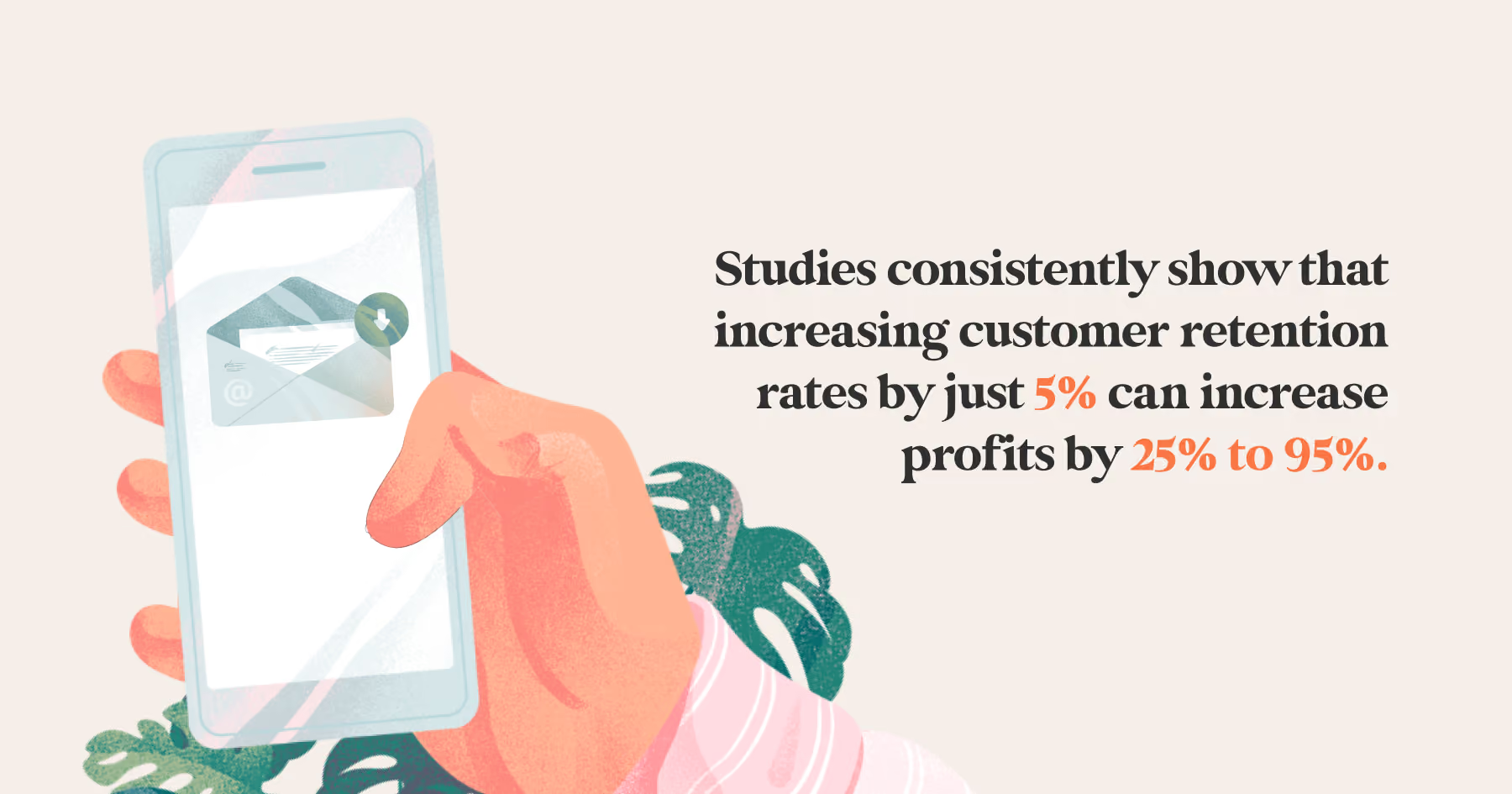
When you focus on post-purchase upgrades, you're essentially turning your existing customer base into a reliable revenue stream. Studies consistently show that increasing customer retention rates by just 5% can increase profits by 25% to 95%. This happens because repeat customers typically have higher order values, require less marketing investment, and generate more predictable revenue streams that support business planning and growth strategies.
Enhances customer reviews
Positive reviews are the lifeblood of e-commerce success, influencing everything from search rankings to conversion rates. However, getting customers to leave reviews requires creating experiences worth talking about. When you implement thoughtful post-purchase upgrades, you're creating multiple touchpoints where customers feel valued and engaged with your brand.
Customers who have positive post-purchase experiences are naturally more inclined to share those experiences through reviews, ratings, and social media posts. These organic endorsements carry more weight than paid advertising because they come from real customers who have no incentive to exaggerate or mislead. The result is a beneficial cycle where great post-purchase experiences lead to positive reviews, which attract new customers, who then experience the same great service and continue the cycle.
Contributes to consumer insights
Every post-purchase interaction generates valuable data about customer preferences, behaviors, and pain points. When you create structured touchpoints through email sequences, surveys, and support interactions, you're building a comprehensive understanding of your customer base that can inform everything from product development to marketing strategy.
These insights become particularly valuable when you analyze customer retention metrics that ecommerce businesses need to track. You can identify patterns in customer behavior, understand which post-purchase elements drive repeat purchases, and spot potential issues before they become widespread problems. This data-driven approach to customer relationship management enables continuous improvement and helps you stay ahead of changing customer expectations.
Capture the customer's attention
In today's attention economy, capturing and maintaining customer focus is increasingly challenging. The post-purchase phase represents a unique window where customers are naturally more receptive to your communications because they have a vested interest in their recent purchase. This receptivity creates opportunities to introduce complementary products, share valuable content, and build deeper engagement with your brand.
Smart e-commerce businesses use this attention window strategically, providing value-added content that enhances the customer's experience with their purchase while subtly introducing them to other products or services. This approach feels helpful rather than salesy, creating positive associations that make customers more likely to engage with future marketing efforts and make additional purchases.
5 strategies to improve e-commerce post-purchase experience
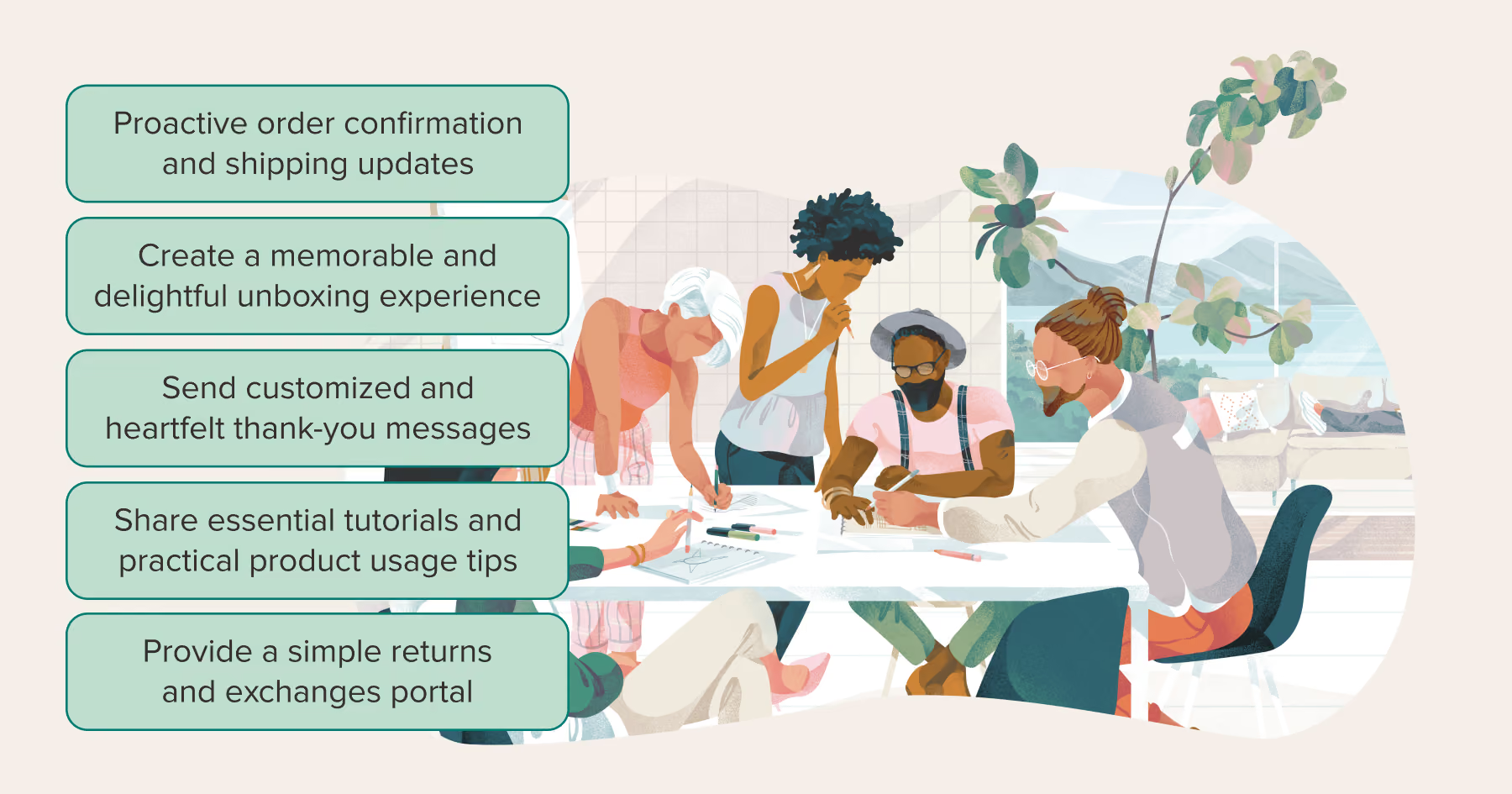
Proactive order confirmation and shipping updates
Communication transparency sets the foundation for trust in any customer relationship. The moment someone completes a purchase, customers may start to think of questions like if their order was processed correctly, when will it ship, and will it arrive as expected? Proactive communication eliminates this uncertainty and demonstrates that you're actively managing their order with care and attention.
Effective order confirmation should include personalized elements like estimated delivery dates, tracking information setup, and relevant product care instructions. Create a sense of anticipation by describing what customers can expect next and providing clear contact information if they have questions or concerns.
Your shipping updates should feel like progress reports rather than automated notifications. Include details about where the package is, what's happening next, and any potential delays or changes. Consider adding value enhancing elements like delivery preparation tips, complementary product suggestions, or relevant blog content that keeps customers engaged while they wait for their order to arrive.
Create a memorable and delightful unboxing experience
The unboxing moment represents the physical manifestation of your brand promise. This tactile experience creates lasting memories and emotions that digital interactions simply cannot replicate. When customers receive a thoughtfully designed package, they're participating in a brand experience that reinforces their decision to choose you over competitors.
Consider every element of the unboxing journey, from the outer packaging to the way products are arranged inside. Include personal touches like handwritten notes, branded tissue paper, or small surprise gifts that exceed expectations. The goal isn't to add unnecessary costs but to create moments of delight that make customers want to share their experience on social media.
Document and share these unboxing experiences through customer-generated content campaigns. Encourage customers to post photos or videos of their unboxing experience by creating branded hashtags or offering incentives for social sharing. This user-generated content becomes powerful marketing material while reinforcing the positive associations customers have with your brand.
Send customized and heartfelt thank-you messages
Gratitude is a powerful emotion that creates positive associations and strengthens relationships. However, generic thank-you messages often feel impersonal and transactional. Customized thank-you communications should reflect genuine appreciation while providing additional value that enhances the customer's experience with their purchase.
Personalization should reference specific products they purchased, acknowledge their loyalty if they're repeat customers, and provide relevant information that helps them get the most value from their purchase. Include elements like care instructions, styling tips, or usage suggestions that demonstrate your expertise and commitment to their satisfaction.
Time these thank-you messages strategically throughout the post-purchase journey. Send an immediate acknowledgment after purchase, follow up when the product ships, and check in after delivery to ensure satisfaction. Each touchpoint should feel natural and helpful rather than pushy or sales-focused. This approach builds trust and keeps your brand top-of-mind without being intrusive.
Share essential tutorials and practical product usage tips
Educational content transforms a simple product purchase into a comprehensive value experience. When customers understand how to use your products effectively, they're more likely to be satisfied with their purchase, less likely to return items, and more inclined to recommend your brand to others. This educational approach positions your business as a trusted advisor rather than just a product vendor.
Create content that addresses common questions, demonstrates best practices, and helps customers achieve their desired outcomes. This might include video tutorials, step-by-step guides, troubleshooting resources, or creative usage ideas that customers might not have considered. The key is providing information that genuinely helps customers succeed with their purchase.
Integrate this educational content into your email campaign services and post-purchase communication sequences. Send relevant tutorials based on specific products purchased, customer preferences, or usage patterns. This targeted approach ensures customers receive information they actually need while demonstrating your commitment to their success beyond the initial transaction.
Provide a simple returns and exchanges portal
Even with the best products and customer service, returns and exchanges are inevitable in e-commerce. How you handle these situations significantly impacts customer perception and future purchase behavior. A complicated or frustrating returns process can destroy customer relationships, while a smooth, hassle-free experience can actually strengthen customer loyalty.
Design your returns portal with customer convenience as the primary priority. Provide clear instructions, printable return labels, and transparent timelines for processing refunds or exchanges. Consider offering multiple return options, such as mail returns, drop-off locations, or even at-home pickup for high-value items. The easier you make the process, the more likely customers are to shop with confidence in the future.
Use returns data to identify patterns and improvement opportunities in your product offerings or customer communications. Track which products are returned most frequently, common reasons for returns, and customer feedback throughout the process. This information can inform product development, help refine product descriptions, and identify opportunities to set better expectations during the pre-purchase phase.
The average customer retention rate that e-commerce businesses achieve varies significantly by industry, but companies with exceptional post-purchase experiences consistently outperform industry averages. By implementing these five strategies, you create multiple opportunities to exceed customer expectations and build the lasting relationships that drive sustainable business growth.
Partner with Growth Gurus for e-commerce success
Implementing comprehensive post-purchase strategies requires expertise, technology, and consistent execution across multiple touchpoints. As a specialized e-commerce email marketing agency, Growth Gurus brings the experience and tools necessary to transform your post-purchase customer experience into a competitive advantage. Our team understands the nuances of customer communication, the importance of timing, and how to create automated sequences that feel personal and relevant.
Our Klaviyo email marketing expertise enables us to create sophisticated post-purchase workflows that adapt to customer behavior, preferences, and purchase history. We design email campaign management systems that nurture customer relationships through strategic touchpoints while respecting customer preferences and communication frequency. Whether you need help with order confirmations, shipping updates, educational content, or win-back campaigns, our team has the experience to create solutions that drive results.
Working with Growth Gurus means accessing proven strategies, advanced automation tools, and ongoing optimization that keeps your customer communication fresh and effective. We don't just set up campaigns and walk away; instead, we monitor performance, test new approaches, and continuously refine your post-purchase experience based on real customer data and behavior patterns. This partnership approach ensures your customer retention strategies evolve with your business and market conditions.
Frequently asked questions
What is a good customer retention rate for e-commerce success?

Customer retention rates vary significantly across industries and business models, but most successful e-commerce businesses aim for retention rates between 20% and 30% annually. However, these numbers can be misleading without context about purchase frequency, customer lifetime value, and industry benchmarks. Companies selling everyday consumables might see higher retention rates due to repeat purchases necessity, while luxury goods retailers might have lower rates but higher customer lifetime values. The key is understanding your specific industry benchmarks and focusing on improvement rather than absolute numbers. A 5% increase in your current retention rate will have more impact on your business than achieving an arbitrary industry average. Focus on tracking retention trends, understanding what drives customer loyalty in your specific market, and continuously improving the experiences that keep customers coming back.
How to calculate customer retention rate in e-commerce?
Customer retention rate calculation involves determining what percentage of customers from a specific time period make additional purchases within a defined timeframe. The basic formula is: ((Customers at End of Period - New Customers Acquired During Period) / Customers at Start of Period) x 100. However, e-commerce businesses often need more nuanced approaches that account for natural purchase cycles and customer behavior patterns. For most e-commerce businesses, calculating retention over multiple timeframes provides better insights. Look at 30-day, 90-day, and annual retention rates to understand both immediate satisfaction and long-term loyalty. Consider cohort analysis to track how retention rates change for different customer groups over time. This detailed approach helps identify which acquisition channels bring the most loyal customers and which post-purchase strategies have the greatest impact on retention.
Can post-purchase upgrades help reduce product returns?
Well-executed post-purchase upgrades can significantly reduce return rates by setting proper expectations, providing education about product usage, and addressing customer concerns before they become problems. When customers receive comprehensive information about their purchase, including care instructions, usage tips, and realistic expectations, they're more likely to be satisfied with their purchase and less likely to return items due to unmet expectations. Educational content plays a particularly important role in reducing returns. Video tutorials, sizing guides, care instructions, and usage tips help customers make the most of their purchases and avoid common mistakes that lead to dissatisfaction. Additionally, proactive customer service through post-purchase communication can identify and resolve issues before customers decide to return products.
How often should I send post-purchase emails without annoying customers?
The frequency of post-purchase emails should be driven by value and relevance rather than arbitrary schedules. A typical post-purchase sequence might include immediate order confirmation, shipping notification, delivery confirmation, and a follow-up satisfaction check. Beyond these essential communications, additional emails should provide genuine value such as product education, care tips, or complementary product suggestions. Most customers are receptive to helpful post-purchase communication, especially in the first few weeks after their purchase when they're actively engaging with their new product. The key is ensuring each communication serves a clear purpose and provides value to the customer. Monitor engagement metrics like open rates and click-through rates to gauge customer receptivity, and always provide easy unsubscribe options for customers who prefer minimal communication.
Recent Blog Post


Ready to grow your business?
If you want your business to experience more sales and faster growth, all you need to do is book a meeting with us today.