Email retargeting strategies to win back shoppers

In today's competitive e-commerce landscape, customers often abandon their shopping carts or leave websites without making a purchase. With email retargeting, businesses can bring these lost shoppers back and encourage them to complete their purchase. By leveraging the power of targeted email campaigns, companies can remind potential customers about the products they viewed and create a sense of urgency, increasing the chances of conversion.

Effective email retargeting strategies to re-engage lost shoppers
Email retargeting is one of the most effective strategies for re-engaging shoppers who have shown interest in your products but did not follow through. This strategy is key for e-commerce businesses looking to drive sales without having to spend more on acquiring new leads. By strategically implementing email retargeting, businesses can increase their conversion rates and boost revenue.
Growth Gurus, an e-commerce email marketing agency, has perfected the art of email retargeting by using data-driven techniques and proven strategies to re-engage lost shoppers. By crafting personalized and engaging email campaigns, brands can turn abandoned carts and browsing sessions into successful sales. Whether you are an established brand or just starting, understanding and implementing the right retargeting marketing strategy can make a significant difference.
What is email retargeting?
Email retargeting refers to the practice of sending targeted email campaigns to users who have interacted with your website but have not completed a desired action, such as making a purchase. This form of retargeting allows businesses to stay top of mind with potential customers and encourages them to return and finish what they started.
The beauty of email retargeting is that it works by utilizing customer behavior data to create highly personalized messages that resonate with specific user interests. For example, if a customer browses a product but doesn’t buy it, they may receive an email reminding them of that product or offering an incentive to complete the purchase.
How does email retargeting work?
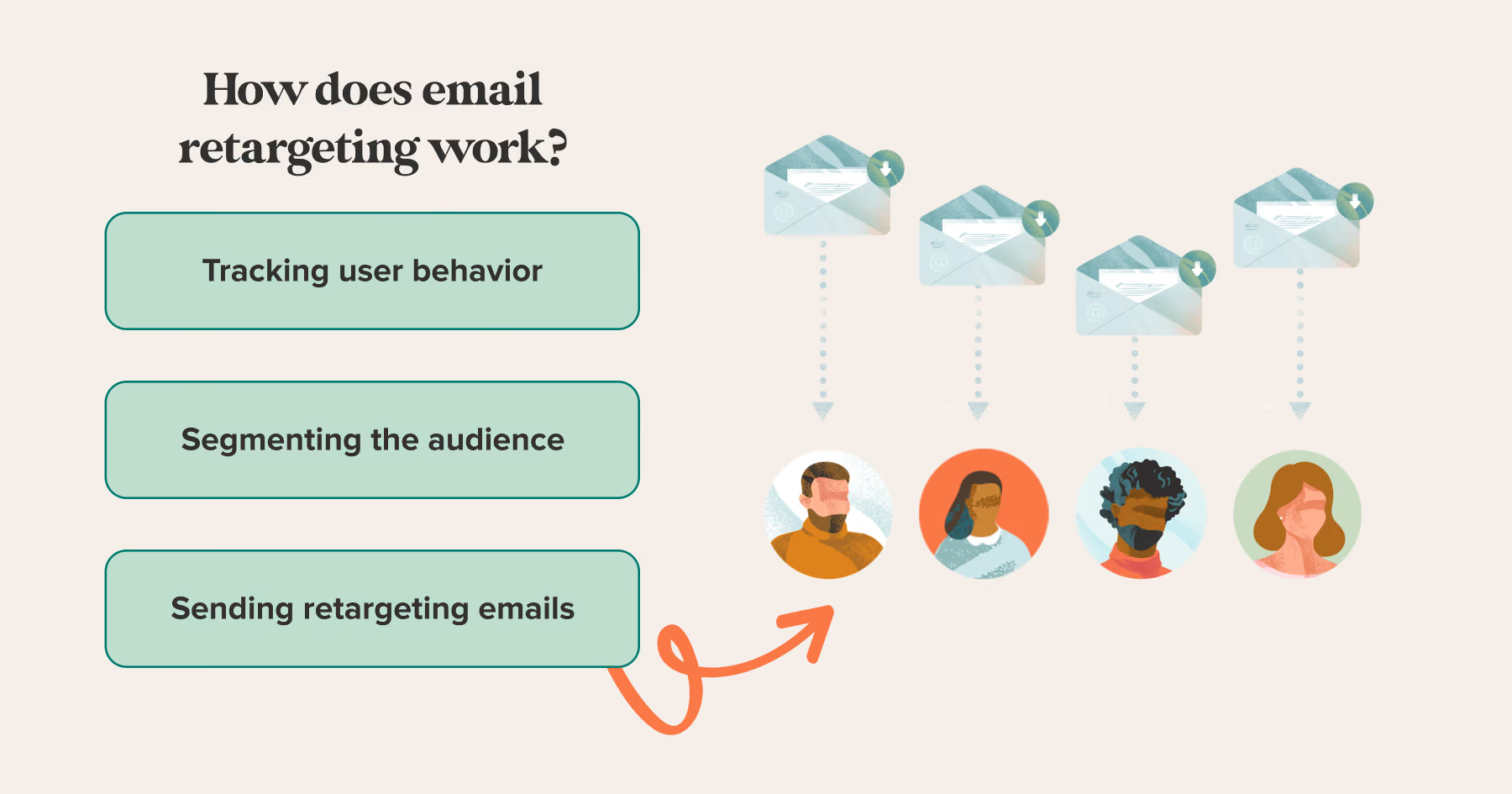
Email retargeting works by tracking the actions of users on your website and sending them personalized emails based on their behavior. The process typically involves the following steps:
- Tracking user behavior: When a user visits your website, their actions are tracked through cookies, allowing you to see which products they interacted with or added to their cart.
- Segmenting the audience: Based on the tracked actions, you can segment your audience into groups, such as cart abandoners, product viewers, or previous buyers.
- Sending retargeting emails: Once segments are created, you can send targeted emails with content specifically tailored to each group’s behavior. For example, a cart abandoner might receive a discount code, while a product viewer might get more information on the item they viewed.
By automating this process, businesses can maintain engagement with potential customers without needing to manually follow up with every lead.
3 effective retargeting email campaigns
A successful email retargeting strategy involves creating emails that are personalized, timely, and effective in driving conversions. Here are three types of retargeting email campaigns that can yield great results:
Writing compelling subject lines
The subject line is the first thing recipients see in their inbox, so it’s essential to make it compelling. A great subject line should be short, clear, and intriguing enough to entice recipients to open the email. For example, instead of a generic “Don’t forget your items,” try something more personalized like “Still thinking about your [product name]? Complete your purchase with 10% off.”
The goal is to create urgency and appeal to the shopper’s desire to get the product before it sells out or to take advantage of a limited-time offer.
Personalization and dynamic content usage
Personalization is key to engaging your audience. Dynamic content, such as the inclusion of the exact products a customer has viewed or added to their cart, can make the email feel more relevant. Personalizing emails based on factors like location, past purchase history, and browsing behavior can help increase the chances of conversion.
For instance, you might include a personalized greeting or suggest complementary products based on what the user previously viewed. This type of tailored content can make customers feel valued and increase the likelihood of them clicking through and completing their purchase.
Adding strong CTAs to drive conversions
Every email should have a clear and compelling call to action (CTA) that directs the recipient to take the next step, whether that’s completing their purchase or exploring more products. The CTA should be easy to find and action-oriented, such as “Complete Your Purchase” or “Claim Your Discount.”
Strong CTAs guide users and help to create a sense of urgency and push them toward making a decision. Test different CTAs to find which ones resonate most with your audience.

Email retargeting best practices for better results
To maximize the effectiveness of your email retargeting campaigns, it’s essential to follow best practices that ensure your emails are well-received and successful in driving conversions.
Avoiding spam triggers and over-emailing
One of the most important aspects of email retargeting is ensuring your messages reach your audience without being marked as spam. Avoid using excessive promotional language or spammy terms like “free” or “guaranteed” in subject lines and content. Over-emailing can also lead to customer fatigue, so it’s important to strike the right balance.
Respect your subscribers' inboxes by giving them value with every message you send. Sending too many emails can create a negative experience, leading to unsubscribes or low engagement rates.
Additionally, you’ll want to make sure you’re using “engaged” segments, including only those who have engaged within the past 90 days. That way, you’ll ensure you’re only sending to high-interest customers, who are less likely to flag your emails as spam.
A/B testing subject lines and content
A/B testing is a powerful tool for optimizing email performance. By testing different subject lines, CTAs, images, or content styles, you can determine what works best with your audience. This data-driven approach allows you to continuously improve your email marketing campaign management, ensuring that each email is as effective as possible.
Use A/B testing to refine your strategies, test different subject lines for engagement, and tailor your email content to better meet customer needs.
Optimizing for mobile and accessibility
With the majority of emails being opened on mobile devices, it's crucial to optimize your emails for mobile viewing. Make sure your emails are responsive and that images, text, and buttons display correctly across all devices. Keep your content concise and easy to read, ensuring a smooth experience for mobile users.
Additionally, focus on accessibility by using alt text for images, readable fonts, and ensuring your emails are easy to navigate for people with disabilities.
Tracking performance metrics (open rate, CTR, conversions)
To gauge the success of your email retargeting campaigns, it’s essential to track key performance metrics such as open rates, click-through rates (CTR), and conversions. These metrics give you insights into how well your emails are performing and where you may need to make adjustments. Regularly analyze these metrics to optimize your campaigns and ensure you're meeting your business objectives.
How to retarget site abandoners with email campaigns
Retargeting site abandoners is one of the most common and effective applications of email retargeting. Here's how you can do it successfully:
Identifying site abandoners (cart, browse, form fills)
The first step is to identify which users abandoned their actions on your site. Cart abandoners are users who added products to their cart but didn’t complete the purchase, browse abandoners left the site after viewing specific products, and form fills are those who started the checkout process but didn’t submit their information.
By tracking these actions, you can segment your audience and send targeted emails based on where the abandonment occurred.
Segmenting audiences for personalized outreach
Once you’ve identified the abandoners, segment your audience to deliver the right message at the right time. Cart abandoners may respond well to a time-sensitive discount, while browser abandoners might appreciate seeing similar products to what they viewed.
By segmenting your audience with Klaviyo for email marketing, you ensure your emails are relevant and highly personalized, which is crucial for getting them to return and complete their purchase.
Timing and frequency of retargeting emails
Timing is everything when it comes to email retargeting. If you wait too long, the user may lose interest, but if you send emails too soon, you risk annoying them. A well-timed email can create urgency without feeling intrusive.
Generally, sending the first retargeting email within 24 hours of abandonment is ideal. From there, you can gradually increase the frequency of emails, offering additional incentives like discounts or product recommendations.
Common mistakes in email retargeting and how to avoid them
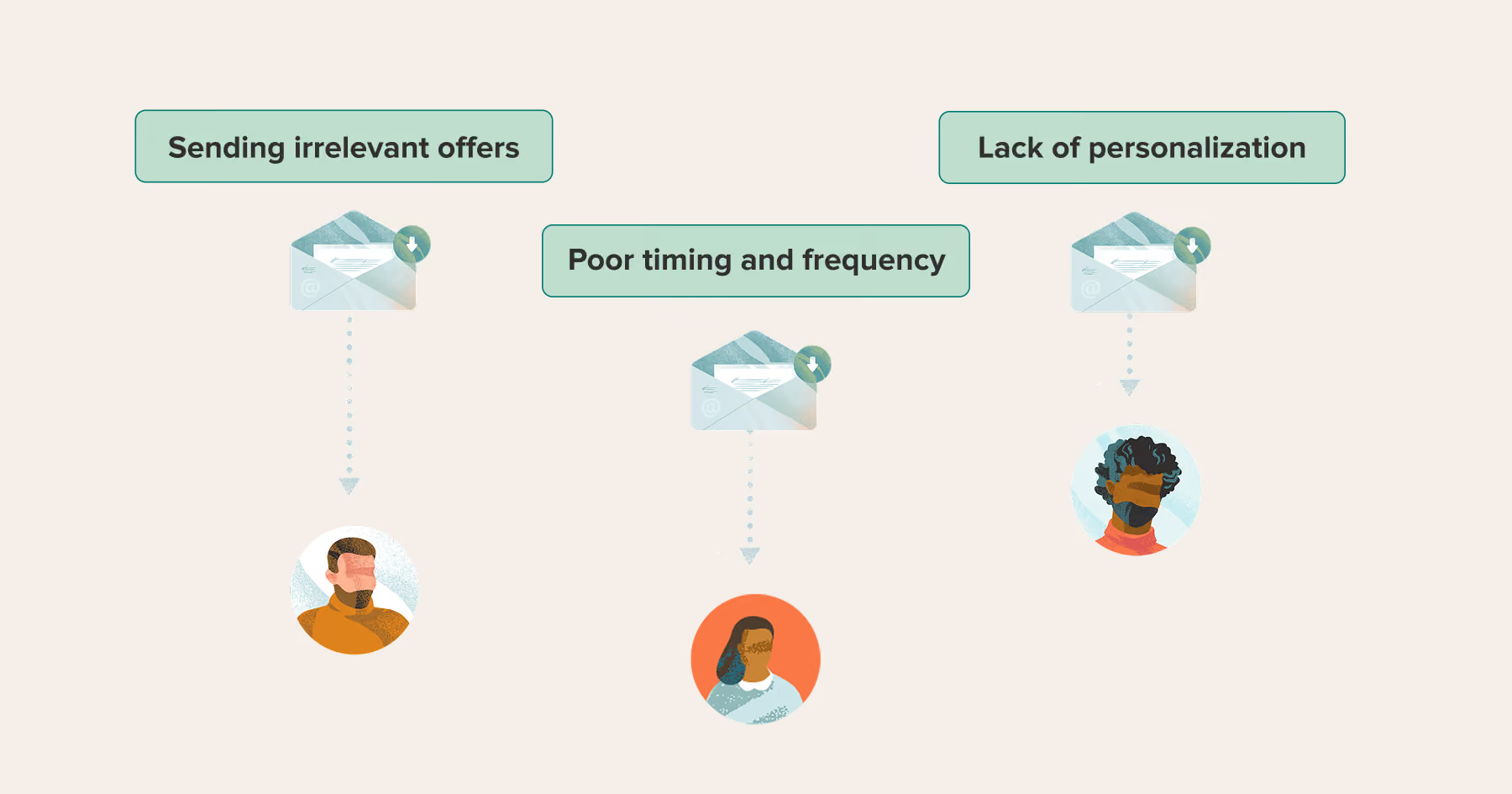
While email retargeting can be highly effective, there are several common mistakes to watch out for:
Sending irrelevant offers
Sending emails with irrelevant offers is a surefire way to alienate your audience. Make sure the products you’re offering in your retargeting emails are relevant to the user’s past behavior. For example, if a customer viewed shoes, don’t send them an email about unrelated accessories.
Poor timing and frequency
Email retargeting is all about timing. Sending emails too soon or too late can negatively impact your results. Make sure you're sending emails at appropriate intervals and ensuring they don't feel like spam.
Lack of personalization
A generic email that lacks personalization is unlikely to capture attention. Personalized emails, based on user behavior, create a sense of relevance and are much more likely to drive engagement. Consider using the user’s name, recommending products based on their browsing history, or offering them a personalized discount.
By avoiding these common mistakes, you can enhance your email retargeting campaigns and see better results.
Conclusion
Email retargeting is a powerful tool for re-engaging potential customers and driving conversions. By utilizing personalized campaigns, optimizing for performance, and adhering to best practices, brands can leverage this strategy to capture sales that would otherwise be lost.
Growth Gurus, an e-commerce email marketing agency, specializes in crafting customized email marketing retargeting strategies that ensure brands stay top of mind with their audience. Whether it’s optimizing email marketing campaign management, crafting the perfect subject lines, or employing effective segmentation, Growth Gurus helps brands leverage the full potential of email retargeting.
By implementing effective retargeting email campaigns, businesses can maximize their ROI and foster deeper relationships with their customers.
Recent Blog Post


Ready to grow your business?
If you want your business to experience more sales and faster growth, all you need to do is book a meeting with us today.