How SMS marketing speeds up the journey from browsing to buying

SMS marketing has transformed how brands connect with customers, offering near-instant communication that often drives quicker purchasing decisions. A text message goes straight to a consumer’s phone—usually leading to immediate engagement. When done right, this approach harnesses the power of brevity to overcome shopping cart hesitation. Most businesses are utilizing SMS marketing for ecommerce brands as a subtle yet effective way to turn browsers into buyers.

Best SMS marketing practices to speed up the time to purchase
Consumers today are overwhelmed with countless marketing messages, making it more challenging than ever. SMS marketing, however, offers a unique advantage: it reaches people where they’re already engaged—their text inbox. Instead of long and cluttered messages, SMS delivers concise, attention-grabbing prompts that guide potential customers through the sales funnel. By combining well-timed texts, personalization, and exclusive incentives, businesses across industries can drive immediate clicks and conversions. In this blog, we’ll explore how SMS accelerates the buying journey, why it’s so effective, and which tools can help automate the process easily.
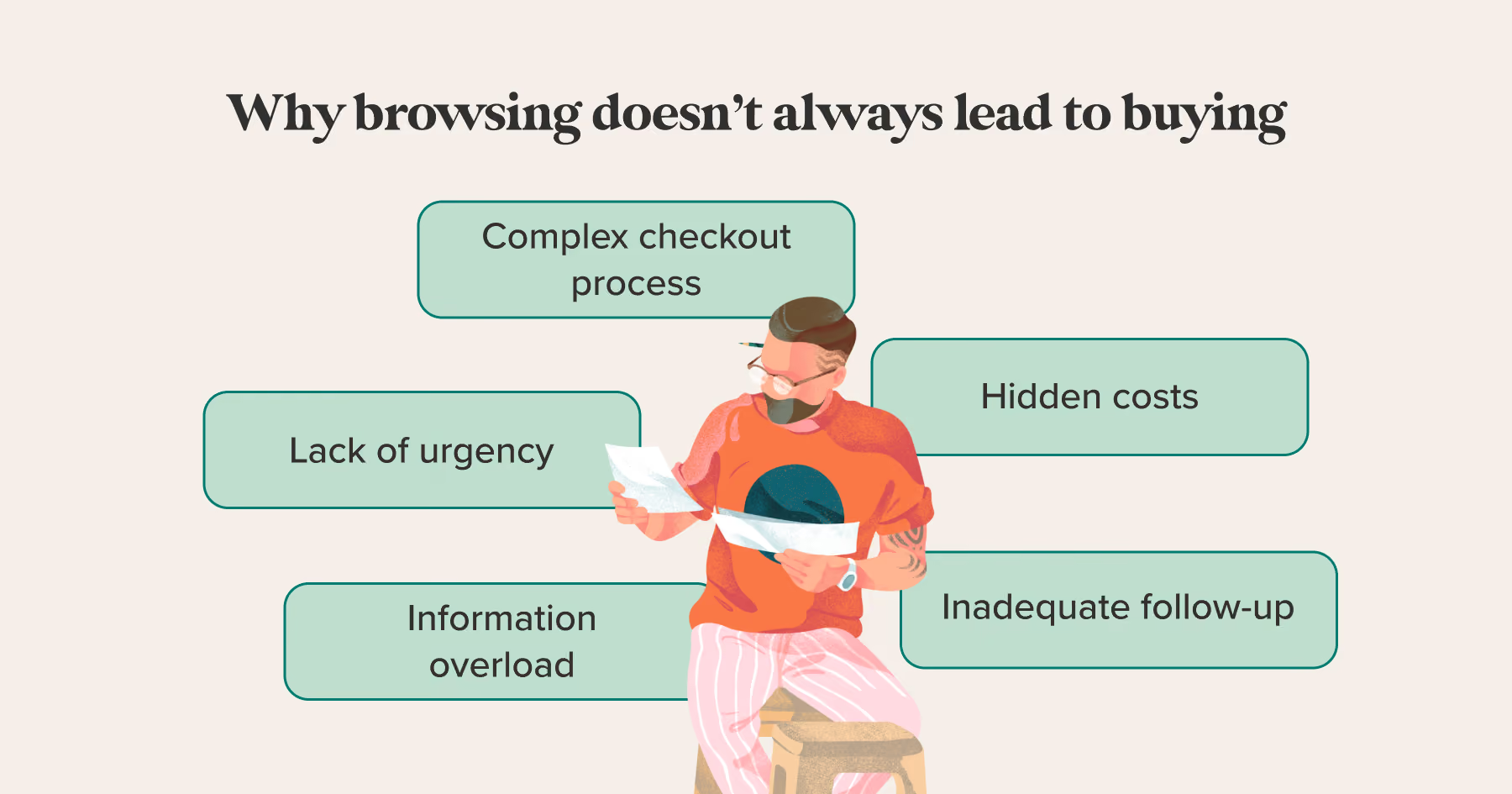
Why browsing doesn’t always lead to buying
Not every visitor who arrives at an online store is prepared to make a purchase. According to the Baymard Institute, the average cart abandonment rate is nearly 70%—meaning more than two out of three potential purchases are never completed.
People are often “just looking,” comparing prices, or exploring different products. While browsing is an essential step, many prospective customers abandon the journey somewhere between product discovery and checkout. There are several reasons this happens:
- Information overload: Online stores typically have a wide range of products. When consumers see too many options, they can experience decision fatigue, ultimately choosing to postpone or abandon the purchase altogether.
- Lack of urgency: Without a compelling reason to buy immediately—like a limited-time offer or a special discount—many shoppers feel there’s no harm in waiting. They assume the same products will be there later, so they delay making a final decision.
- Complex checkout process: Some e-commerce sites have a lengthy or confusing procedure, resulting in frustration. The longer it takes to finalize a purchase, the more likely a shopper will lose interest or second-guess the decision. Baymard Institute found that 18% of users abandon their cart simply because the checkout is too long or complicated.
- Hidden costs: Surprise fees at checkout—like shipping and taxes—are another primary reason people leave. Nearly half (48%) of shoppers abandon their cart when unexpected costs pop up at the end.
- Inadequate follow-up: Prospective buyers often need a nudge or reminder. If they don’t receive prompt communication to bring them back, they may forget about the product or fail to see its relevance in their lives.
Even with excellent site design and compelling product descriptions, not every consumer will convert on the spot. The gap between browsing and buying can be attributed to psychological and logistical barriers. Recognizing these hurdles helps businesses craft strategies to gently guide prospective customers toward finalizing their purchase, and that’s where targeted, timely communication—especially via SMS—comes in.
Why is SMS marketing so effective for instant action
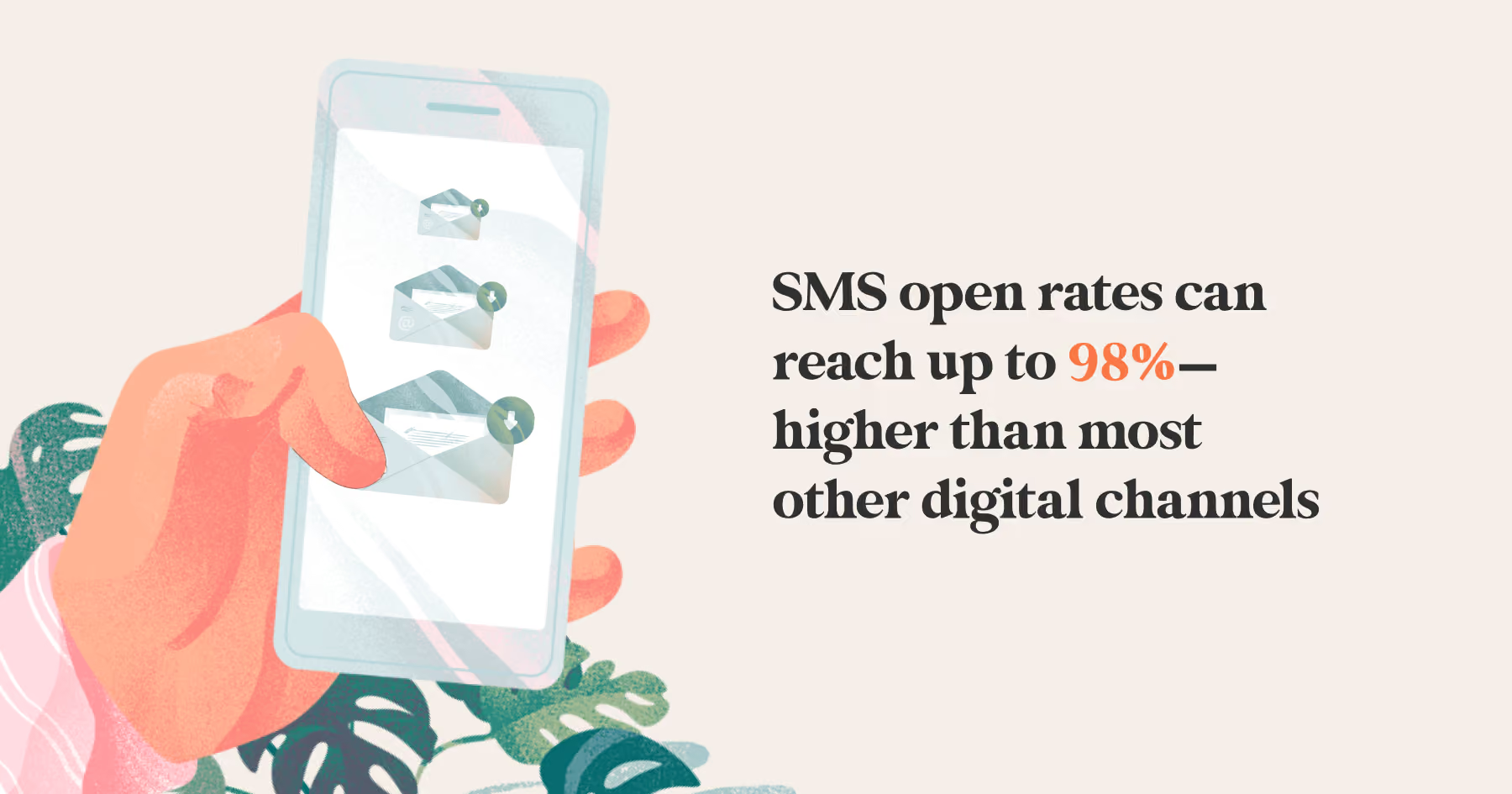
Text messages offer a unique kind of immediacy. According to Gartner, SMS open rates can reach up to 98%—higher than most other digital channels. This level of visibility allows brands to seize brief moments of interest before shoppers get distracted by competing ads or everyday life.
- Direct and personal: A text message lands directly in a consumer’s inbox rather than an overcrowded email folder or a busy social feed. Because of this, it feels more personal and less promotional, allowing a higher chance of engagement.
- Simplicity of information: SMS marketing typically limits messages to 160 characters, pushing brands to craft concise, attention-grabbing content. The brevity helps shoppers quickly understand the value or offer without wading through lengthy copies.
- Real-time engagement: People generally check text messages as soon as they receive them. This real-time nature is perfect for flash sales, immediate deals, or last-minute offers. It taps into the consumer’s sense of urgency, prompting a quick decision or response.
- Minimal friction: Clicking a link from a text is straightforward. Once customers open an SMS, one touch can redirect them to a product page or checkout. By reducing extra steps, brands make purchasing easier and faster.
- High level of trust: Many consumers still associate text messages with personal communication from friends and family. When a business respects boundaries—such as messaging only with prior opt-in and providing relevant content—customers often view those texts as more credible than unsolicited emails or ads.
By focusing on immediate engagement and leveraging direct communication, SMS helps convert “maybe later” shoppers into satisfied buyers, speeding up the e-commerce sales cycle. This channel bridges the gap between product discovery and purchase completion for many brands, providing that timely push shoppers need.
6 SMS marketing strategies to accelerate the buying journey
Deliver quick, impactful messages that drive decisions
One of the key advantages of SMS marketing is its immediacy. When a brand needs to share important information—like a limited-time discount or a flash sale—it can send a short, punchy message that cuts through the noise. Since most text messages are read within minutes of delivery, urgent notifications gain instant traction.
If a consumer has been eyeing a product, a quick reminder that a sale ends tonight or that inventory is running low can prompt an immediate purchase. This approach works because it respects the customer’s time. Instead of bombarding them with lengthy promos, SMS delivers essential details in a concise, digestible format.
Example:
- “Act now! Our 24-hour sale ends at midnight. Don’t miss out!”
- “Only 3 left in stock! Secure yours before they’re gone.”
Such brief messages can create a sense of FOMO (fear of missing out) and urgency. The key is using concise language and direct calls to action (CTAs) that guide customers exactly where to go to complete their purchase.
Grab attention with exclusive offers and early access
Everyone loves feeling special. With SMS, businesses can tailor offers to specific subscriber segments, ensuring those who opted into texting receive perks that aren’t readily available to the general public. This sense of exclusivity can fast-track shoppers’ decisions by making them feel they’re getting a unique deal.
Exclusive perks might include:
- Early access to new product launches
- First dibs on a limited-edition collection
- Discount codes are only shared via SMS
By broadcasting a compelling “sneak peek” or “early access” invitation, brands harness the excitement of getting ahead of the crowd. Imagine a shopper who’s passively browsing—receiving a text about a limited edition or a VIP-only discount can accelerate the transition from passive interest to active purchase. This approach leverages urgency and exclusivity, two psychological triggers that shorten the buying process.
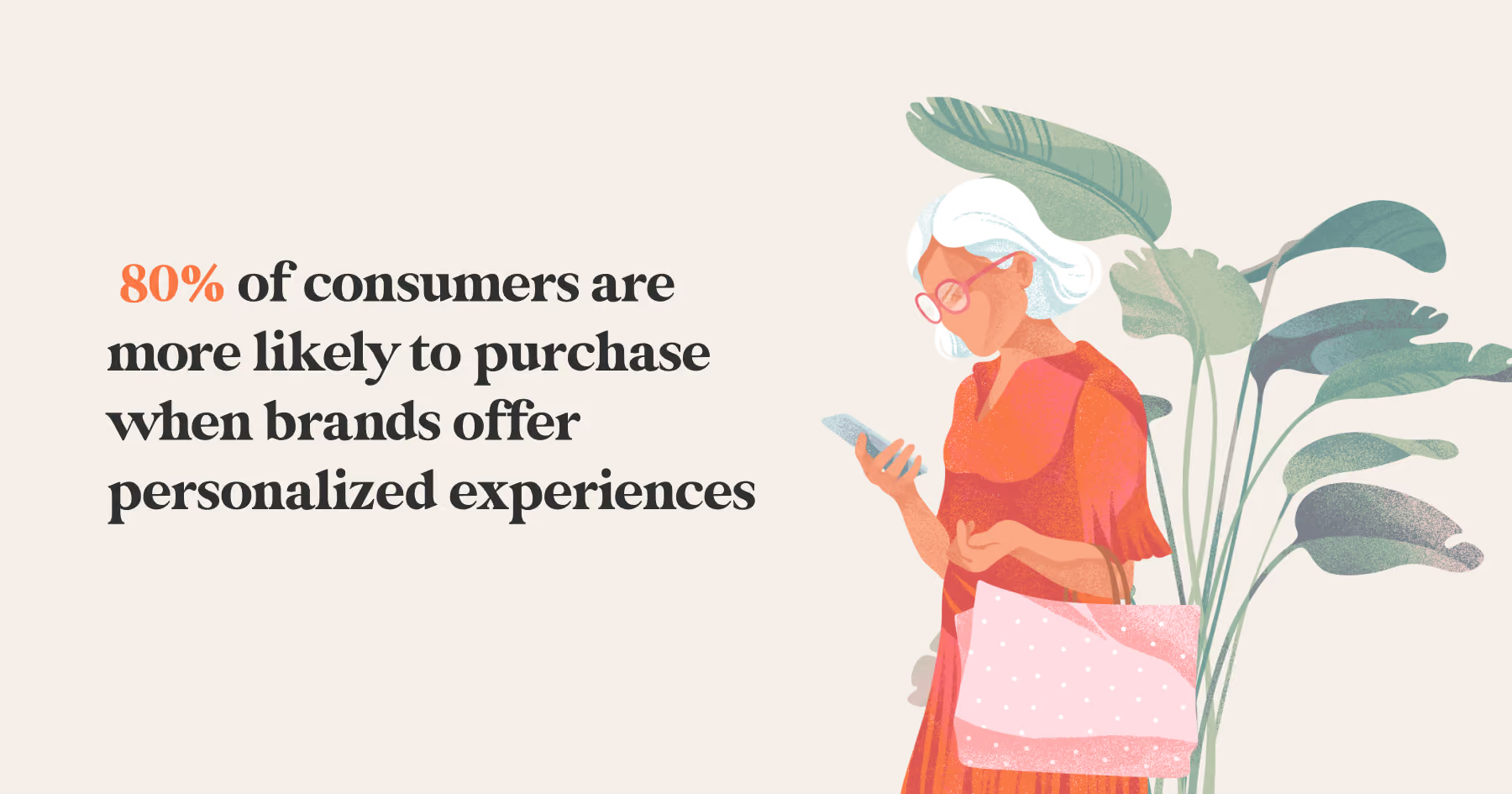
Personalized offers based on previous purchases or browsing behavior can significantly increase conversion rates. According to a report by Epsilon, 80% of consumers are more likely to purchase when brands offer personalized experiences. By recognizing individual preferences and shopping patterns, businesses can send tailor-made SMS offers that speak directly to each subscriber’s interests.
Consumers want personalization—and SMS delivers
Personalization isn’t just a buzzword—customers crave it. Instead of blasting the same message to thousands of subscribers, brands can segment their SMS lists by browsing history, purchase frequency, or product preferences. This targeted approach feels more relevant and is more likely to inspire action.
Ways to personalize SMS marketing include:
- Addressing shoppers by their first name
- Recommending items based on past purchases
- Sending location-based offers relevant to a customer’s region or city
- Alerting them when a product they viewed is back in stock
Messages that resonate with a subscriber’s specific needs or interests spark curiosity and trust. For example, if you know a customer who often buys items from your sports apparel section, sending them a personalized text about new gym-friendly clothing or a discount on running shoes will catch their attention much quicker than a general, broad promotion.
Moreover, personalized texts remind shoppers that they share a relationship with the brand. It feels less like mass advertising and more like a helpful heads-up from a trusted advisor. This relevant, timely communication is at the heart of SMS marketing for ecommerce, turning mobile devices into powerful conversion drivers.
Integrated SMS and email pack a powerful punch
Email and SMS aren’t competing channels; instead, they’re complimentary. Email excels at longer-form content such as product details, newsletters, and brand storytelling, while SMS thrives on brevity and urgency. When these channels function together, businesses enjoy more robust engagement and conversion.
For instance, if you’ve sent an email announcing an upcoming sale, a well-timed text message on the sale’s first day can further nudge recipients to open that email or click directly to the store. The email might provide richer context—highlighting products, sharing testimonials, or offering detailed shipping info—while the SMS provides a quick link to shop the latest deals. It’s a two-part strategy that caters to different consumer preferences.
Possible integrated campaign flow:
- Email: Introduce a product launch or special promotion with images, stories, and testimonials.
- SMS: Send a brief reminder when the promotion goes live, providing a direct link to the store or product page.
- Email: A follow-up with in-depth FAQs or additional details for interested customers who opened the initial email but didn’t convert.
- SMS: Final “last-chance” notification on the campaign’s final day to push undecided shoppers to act.
By implementing these channels cohesively, you ensure that your message reaches people in the format they prefer at precisely the right time, speeding up the move from browsing to buying.
Time your messages to match purchase intent
Timing is everything in e-commerce marketing. A well-crafted message sent at the wrong time can feel intrusive or irrelevant, while a timely message can be the friendly push that convinces someone to complete a checkout.
Key considerations for message timing:
- Abandoned cart reminders: A reminder within a couple of hours can significantly increase conversion after a shopper leaves items in their cart. Wait too long; the potential buyer may have purchased elsewhere or lost interest.
- Welcome offers: Right after a new subscriber opts in, sending a special welcome discount or offer can encourage them to make their first purchase.
- Post-purchase engagement: Following an order, a quick “thank you” text or a message seeking feedback can strengthen customer relationships, paving the way for future sales.
- Event-based texts: Whether it’s a holiday, a flash sale, or a birthday offer, aligning your SMS strategy with key events ensures your brand’s promotions remain timely and contextually relevant.
Think of timing as part of the user experience. If someone is browsing your website at 9 pm, an SMS reminder might be more effective later that evening or first thing the following day rather than an abrupt message at midnight. By analyzing customer behavior—when they typically shop, how long they linger on product pages—you can tailor your SMS schedule to maximize impact and reduce the risk of annoying recipients.
Recover lost sales with timely cart reminders
Cart abandonment is a persistent challenge in e-commerce. The average online cart abandonment rate is around 69.99%. Nearly seven of ten potential sales get lost somewhere between “Add to Cart” and “Checkout.”
A timely, well-structured SMS reminder can recover a slice of that lost revenue. Instead of an impersonal nudge, a short text mentioning the item left in the cart or offering a small incentive can do wonders.
Example messages:
- “Forgot something? Your pair of running shoes is waiting in your cart. Check out now to enjoy free shipping!”
- “Complete your order within the next 2 hours and get 10% off your abandoned cart. Don’t miss it!”
By incorporating direct links to the cart or the product page, these reminders shorten the path back to purchase. Additionally, a second or third follow-up (if the first goes unread or unacted upon) can gently increase urgency, reminding shoppers that time is running out on a special promotion or limited stock.
These strategic reminders are essential for bridging the gap between casual browsing and decisive buying. The convenience of text messaging means you can quickly re-engage prospective customers without flooding their inboxes or relying on them to return to your site manually.
SMS marketing tools that help automate this journey
Klaviyo for SMS marketing
Klaviyo is well-known for its robust email marketing automation features and excels in SMS marketing. It provides detailed segmentation and analytics, allowing businesses to create highly targeted campaigns. With Klaviyo, you can:
- Segment audiences based on behavior, location, purchase history, or engagement rates.
- Automate flows such as welcome series, abandoned cart reminders, and post-purchase follow-ups.
- Track revenue generated specifically from SMS, helping refine campaigns and quantify ROI.
The platform’s intuitive interface makes it easy for marketers to set up triggered text messages that align with buyer intent, accelerating the journey from initial interest to completed purchase.
Justuno for SMS marketing
Renowned for conversion optimization and pop-ups, Justuno has evolved to integrate SMS marketing into its suite of e-commerce tools. With Justuno, you can:
- Build your SMS list using targeted pop-ups to encourage site visitors to opt in with their phone numbers.
- Leverage behavioral data to deliver real-time, automated text offers when shoppers exhibit specific on-site actions (e.g., viewing certain products or spending time in particular categories).
- Test and optimize with A/B testing tools that help refine messaging for maximum effectiveness.
By combining Justuno’s on-site messaging and SMS capabilities, brands can capture more leads at the peak moment of browsing interest, nudging them closer to a purchase decision.
Yotpo for SMS marketing
Yotpo specializes in customer reviews, loyalty, and visual marketing. With Yotpo, businesses can:
- Incentivize loyalty by integrating loyalty programs and rewards into SMS campaigns, fostering repeat purchases.
- To provide social proof, feature user-generated text content, such as star ratings or brief snippets from customer reviews.
- Enhance post-purchase engagement by inviting customers to leave reviews via text or join referral programs.
This toolkit is handy for brand-building, combining trustworthy user-generated content with effective SMS outreach. You can speed up decision-making and reinforce trust when you show potential buyers how satisfied your existing customers are—right in a text message.
In the end
In a fast-moving digital world, getting shoppers from browsing to buying often requires agile, personalized, and immediate communication. SMS marketing perfectly fits that need, combining direct messaging with customer data to craft impactful campaigns. Text marketing consistently shows remarkable conversion power, whether you’re reminding shoppers of abandoned carts, offering exclusive discounts to loyal subscribers, or integrating email and SMS for a double-impact campaign.
As a text marketing company, Growth Gurus understands that e-commerce brands need robust, automated processes that guide customers from first glance to final purchase. We specialize in email and SMS marketing, helping our partners set up campaigns that deliver results. As your dedicated SMS marketing agency, we develop strategies that align with business goals, manage complex flows in platforms like Klaviyo and Yotpo, and continuously optimize performance to accelerate revenue growth. We bring the human touch to marketing automation, ensuring every message resonates authentically with your customers.
If you’re ready to take your business to the next level, our SMS marketing services offer a comprehensive approach to capturing attention, sparking conversations, and closing sales. Combined with our expertise in email marketing, Growth Gurus can empower your e-commerce store to create a seamless journey that turns casual browsers into dedicated buyers. Let’s explore how our integrated marketing solutions make all the difference and choose us as your partner for a faster, more compelling path to purchase.
Recent Blog Post


Ready to grow your business?
If you want your business to experience more sales and faster growth, all you need to do is book a meeting with us today.