9 SMS audience segments you should build to maximize engagement and revenue

Segmenting your SMS audience is key to driving higher engagement and boosting revenue. You can tailor messages that resonate by dividing your customers into groups—like first-time buyers, lapsed shoppers, loyal customers, or those needing a product refill. Personalized texts based on behavior and lifecycle stage lead to stronger connections and better results. Intelligent segmentation makes your SMS campaigns more impactful, timely, and conversion-focused.

9 SMS audience segments that turn subscribers into loyal customers
Today, personalization isn’t just a bonus—it’s expected. Many consumers feel frustrated when they don’t get a personalized experience, and nearly half are willing to share their data if it means receiving tailored recommendations.
Basic personalization, like using a name or tracking recent purchases, isn’t enough to truly connect with your customers. Brands must deliver meaningful, tailored experiences that reflect each customer’s unique interests, preferences, and journey with the brand.
Smart segmentation is the key to making SMS marketing personal, relevant, and high-converting. By dividing your audience into meaningful segments, you can deliver messages that feel tailor-made—and that’s what turns subscribers into loyal customers.
You can use several SMS audience segments to boost retention, engagement, and sales.
What is SMS segmentation marketing?
SMS segmentation marketing is how businesses send short text messages to customers who have agreed to receive them. These messages can include special offers, order updates, reminders, or other helpful info.
It’s a quick and personal way to connect with customers, helping build trust and loyalty. Many messages also include links or codes to make it easy for people to take action immediately. With the help of automation and personalization, businesses can send messages that match each customer’s interests—leading to better results and more sales.
SMS marketing types
Promotional SMS
Purpose: To promote sales, offers, or new product launches.
Promotional SMS is what most people think of when they hear "SMS marketing." These messages grab attention quickly and drive immediate action—like purchasing or visiting a landing page.
When to use it:
- During seasonal sales or holidays
- When launching new products
- To create urgency with limited-time deals
Transactional SMS
Purpose: To provide essential information about a customer’s order or account.
These messages are not promotional but are vital for customer satisfaction. They include order confirmations, shipping updates, appointment reminders, and password resets.
When to use it:
- Immediately after a purchase
- When delivery status changes
- To remind customers of upcoming appointments or actions needed
Conversational SMS
Purpose: To engage customers in a two-way interaction.
This type of SMS feels personal and often includes prompts for customers to reply. It's perfect for customer support, feedback requests, or building deeper relationships.
When to use it:
- Post-purchase follow-ups
- Customer service support
- Collecting reviews or feedback
Drip campaigns (Automated flows)
Purpose: To guide customers through a journey using a series of automated texts.
Drip campaigns are like SMS storytelling. They’re sent out at pre-set times based on customer behavior—like after someone signs up, abandons a cart, or hasn’t shopped with you after a certain amount of time.
When to use it:
- For onboarding new subscribers
- Re-engaging inactive users
- Nudging toward repeat purchases
Replenishment reminders
Purpose: To remind customers when it’s time to re-order consumable products.
Perfect for brands selling dietary supplements, skincare, or pet supplies, this SMS keeps customers on a regular buying cycle and boosts long-term retention.
When to use it:
- A few weeks after a purchase, based on average product usage
- To maintain steady subscription or repeat purchase habits
Loyalty & VIP campaigns
Purpose: To reward loyal customers and keep them engaged.
These messages celebrate milestones or give exclusive access to sales, early drops, or special discounts.
When to use it:
- To reward frequent shoppers
- Launching new loyalty programs
- On birthdays, anniversaries, or other milestones
SMS marketing list strategy
Repeat customers who spend the most with your brand
These loyal shoppers may be a smaller group, but they bring in the most revenue. Your goal should be to build strong relationships with them by creating meaningful experiences throughout their journey with your brand. Start by identifying who these top customers are and look for patterns in their behavior—what they buy, how often, and what they respond to. Use these insights to send personalized messages, offer relevant deals, and create upsell opportunities that match their interests. Once you understand what keeps them returning, you can use that knowledge to attract more customers like them.
Newly acquired customers who haven’t made their first purchase yet
Some customers sign up, show interest, and then hesitate to purchase. That’s where your hero products come in—these are the items that tend to turn new shoppers into loyal, high-value customers.
To find your hero products, don’t just look at what’s selling the most. Instead, identify the products that first-time buyers often choose and that lead to strong repeat purchasing behavior. These items help build long-term relationships and are the perfect way to inspire action from new customers who need that final nudge.
Lapsed customers who haven’t purchased in a while
Re-engaging lapsed customers is often easier and more cost-effective than finding new ones. That’s why your marketing strategy should always include win-back efforts for people who’ve shopped with you before but haven’t purchased in a while. Focus on those who’ve recently lapsed—whether after 45 days or a few months, depending on your typical buying cycle. Once you’ve built this audience, send them personalized offers based on their past purchases to reignite interest and bring them back to your brand.
Inactive customers who are engaging with your brand less frequently
For dietary supplement brands, catching inactive customers before they fully disengage is key to maintaining long-term loyalty. These customers may have signed up for your emails or SMS but haven’t opened or interacted with your messages in 90+ days—or they’ve unsubscribed from one channel and haven’t made a repeat purchase in a while.
Understanding customer habits and purchase cycles (like how often they reorder vitamins or protein powders) can help you spot early signs of disengagement. Once you identify these at-risk segments, you can re-engage them with thoughtful campaigns—like offering loyalty points, wellness challenges, or personalized supplement bundles. Tailoring each reactivation effort to the customer’s journey makes them feel valued and increases the likelihood of returning.
Shoppers who need to repurchase their favorite products
If your brand offers consumable items—like skincare or health & fitness, then replenishment campaigns can be a powerful tool to boost repeat sales. These products usually have predictable usage cycles, making it easier to time reminders and offers around when customers are likely to run out.
By creating segments based on previous purchase timing, you can send timely SMS reminders or exclusive offers that prompt shoppers to restock before they run low. This strategy increases convenience for your customers and helps position your brand as a reliable part of their daily routine. Remember that replenishment tactics work best with products with a consistent repurchase timeline.
One-time buyers who are primed to become two-time buyers
Turning a one-time buyer into a loyal customer starts with timing and insight. While you may not know much about these shoppers, your existing customer data can guide your next move. Look at which products most often lead to a second purchase and how quickly that second purchase usually happens.
Often, the window to follow-up is shorter than you'd expect—so acting fast with a well-timed SMS reminder or personalized offer can make all the difference. If certain products rarely lead to repeat purchases, that’s a chance to improve post-purchase engagement or build stronger connections through targeted campaigns. The goal? Make that second purchase feel like a natural next step.
Frequent shoppers who you want to reward for their loyalty
Loyal customers are some of your brand’s most valuable assets—and they deserve to feel like it. These shoppers are already engaged and buying often, so treating them differently from your general audience is smart. Use loyalty status as a key segmentation factor to send exclusive offers, early access to sales, or special rewards that show appreciation and keep them coming back.
Also, don’t overlook your high-potential customers—those who shop regularly but haven’t joined your loyalty program yet. A personalized nudge or incentive could be all it takes to turn them into long-term fans. With smart data and thoughtful strategy, these campaigns can boost retention and unlock more value.
SMS segmentation strategy
Understand your audience
Before you can create meaningful segments, you need to understand who your audience is. Start by gathering as much relevant data as possible—demographics, shopping behavior, campaign engagement, and purchase history. This helps you uncover patterns and group customers based on their preferences and needs.
Ensure you collect data with the proper consent and comply with privacy regulations like GDPR and TCPA. Use tools like surveys, analytics platforms, and competitor research to paint a clear picture of your audience. The better you know your customers, the more personalized and effective your segmentation will be.
Define your segmentation criteria
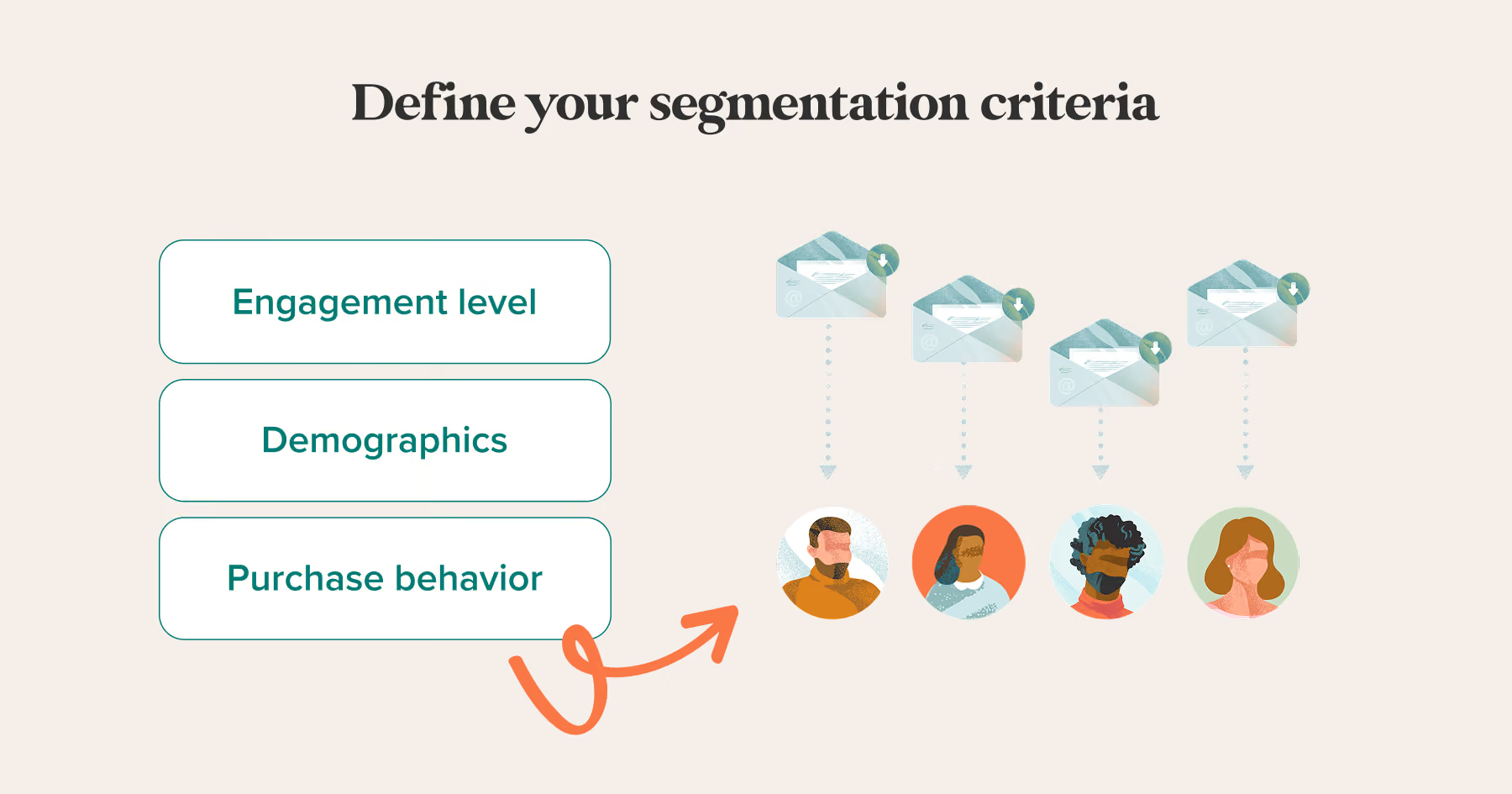
Once you’ve collected enough data, the next step is deciding how to divide your audience into meaningful groups. This depends on your campaign goals and what kind of behavior you want to influence. Here are a few helpful ways to segment:
- Engagement level: Want to boost loyalty? Segment your audience based on how often they interact with your brand—frequent buyers, occasional shoppers, and inactive customers all need different messaging.
- Demographics: If you're launching a product aimed at a specific group (like a skincare line for young adults), demographic data like age or gender helps you reach the right people.
- Purchase behavior: Use past purchases to tailor offers. For example, if you're planning a seasonal sale, you can target shoppers based on what they bought during the same period last year.
Create text messages for each segment
Once you've grouped your audience into segments, the next step is to write text messages tailored to each group.
Pay close attention to the tone, message, and call-to-action. These should match the interests and behaviors of each specific audience. Since SMS messages are limited to 160 characters, ensure your message is clear, direct, and meaningful.
Test and improve
Sending the message is just the beginning. You also need to check how your campaign is doing.
Use tools like A/B testing to compare two versions of a message or segment. This helps you learn what works best, improving future SMS campaigns and getting better results.
Build and grow your subscriber list
SMS marketing is a permission-based channel, meaning customers must explicitly opt-in before you can legally send them text messages. That makes your SMS text marketing list the most valuable marketing asset your brand can own—and building it should be a top priority.
Unlike mass email blasts or social media posts, SMS gives you a direct, high-engagement line to your audience. But to maximize its potential, you need to build a list of subscribers who actually want to hear from you.
Use the right SMS Marketing segment tool
Klaviyo: Behavior-based segmentation
Klaviyo, known for its strong e-commerce integrations, allows you to create highly targeted segments based on customer behavior, purchase history, and website activity. You can build segments based on specific product views, cart abandonment, or even predictive analytics.
Yopto: Loyalty and review-driven segmentation
Yopto, primarily used for reviews and loyalty programs, also provides segmentation capabilities by allowing you to group customers based on their engagement with reviews and loyalty rewards. This enables you to send tailored SMS text marketing lists to loyal customers or those who have shown interest in specific products.
Justuno: Website visitor segmentation
Justuno, while primarily a conversion optimization platform, offers segmentation based on website visitor behavior, such as browsing patterns and form submissions. You can use Justuno to capture opt-ins from specific segments of website visitors and then send targeted SMS campaigns.
Conclusion
Segmenting your SMS marketing list can increase engagement and drive more sales. By dividing your audience into targeted groups based on specific traits or behaviors, you can tailor your messages to speak directly to their needs and interests. This personalized approach makes customers feel seen and valued—building trust and strengthening their connection to your brand.
At Growth Gurus, we help e-commerce brands unlock the full potential of SMS with a data-driven, personalized approach. From building high-performing SMS marketing lists to crafting automated flows powered by smart SMS segmentation strategy, our SMS text marketing service is designed to drive revenue and retention at every stage.
Recent Blog Post


Ready to grow your business?
If you want your business to experience more sales and faster growth, all you need to do is book a meeting with us today.